



Anime
West vs. anime: Academics claim current series are too violent
At an international symposium, researchers highlighted the huge cultural gap between Japan and the West regarding animated censorship.

A clear cultural clash has always existed between what Japan and the West consider suitable for children. However, the debate has recently reignited after an international symposium held in Otaru titled “Anime and Gender.” During this academic event, several foreign researchers used the platform to argue that current Japanese productions contain excessive violence and visual expressions that are highly unpleasant for children, severely questioning the family time slots in which these stories air in their home country.

The controversy behind demon hunters
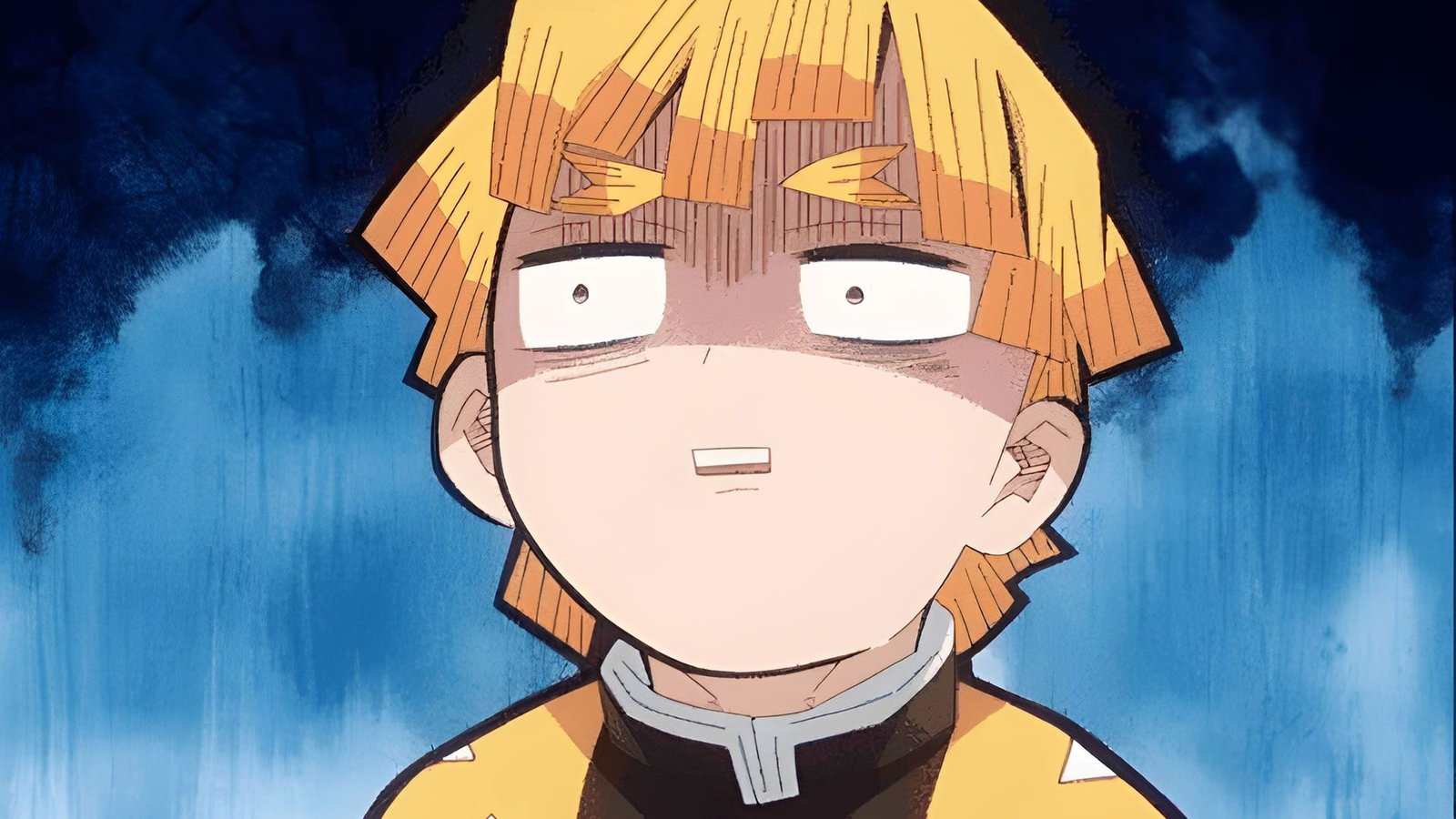
The most critical stance came from Canadian professor Sharalyn Orbaugh, who has nearly fifty years of experience analyzing the medium. The expert pointed directly to major franchises like Demon Slayer: Kimetsu no Yaiba to illustrate this cultural divide. While in Japan the series airs on TV blocks accessible to any child, in countries like the United States and Canada it receives strict age ratings due to its bloody scenes and suggestive tones. Orbaugh was blunt in stating that current anime includes too many violent and unpleasant works, claiming that even characters representing sexual minorities are often portrayed aggressively from a North American perspective.

The social evolution of magical girls
To complement the discussion from a different angle, Professor Akiko Sugawa offered a fascinating analysis of how anime has reflected the changes in women in Japanese society, using the magical girl genre as an example. She explained that in the early days of the medium, with classics like Sally the Witch in 1966, magic was used as a direct tool for young girls to solve everyday problems caused by men. Over the decades and with the active integration of women into the workforce, these narratives evolved; modern protagonists now undertake global-scale missions where teamwork and social responsibility are the story’s pillars.
This symposium made clear that scenes a Japanese viewer considers mere family entertainment can be seen as a potential danger to minors by foreign organizations. Knowing that animation studios design these stories primarily for their local audience, do you think Japan should adapt its age ratings to international standards, or do you believe the West is too strict in evaluating violence in cartoons?
