





In recent shareholder updates, Capcom has confirmed that it will not incorporate AI-generated assets into its games, though it intends to utilize the technology to enhance efficiency and productivity in game development. Despite these broad statements, Capcom’s engineers have recently provided further insights into their policy on generative AI, as well as the specifics of their partnership with Google Cloud and the adoption of agentic AI.
In an interview with 4Gamer, Capcom’s VP for game development platforms and AI solutions, Shinichi Inoue, clarified that the company has no plans to employ AI for the creation of graphical or other game assets. “What we in the entertainment industry regard as crucial, distinct from artificial intelligence, is human sensibility. Even the most advanced AI currently falls short of matching our creators in this regard. That’s the present reality. Therefore, focusing human resources on tasks that demand this sensibility is more efficient from a human capital standpoint, and it’s also vital for maintaining collaboration with creators,” he elaborates.
Curiously, this stance appears to somewhat conflict with Capcom’s experimental AI initiatives from 2025, during which the company announced its collaboration with Google Cloud to streamline the brainstorming and conceptualization of the tens of thousands of objects required for an AAA game (a cited example at the time involved designing a fictional TV for a game environment). Although this workflow was intended for the proposal phase rather than final asset production, it seems to diverge from Capcom’s current position on not using AI for in-game asset creation, suggesting a possible shift in the company’s perspective over time.
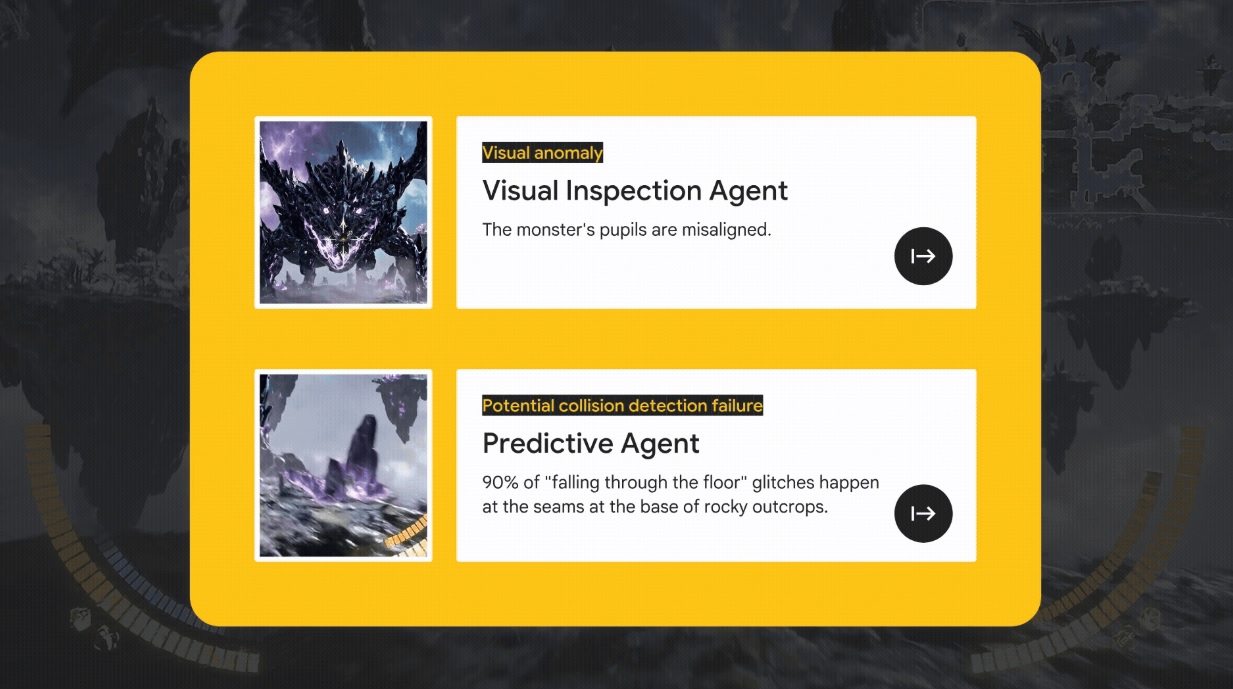
So, how is Capcom leveraging AI? According to Inoue, the most pressing challenge in AAA development is optimizing testing and communication-related tasks, as this “routine work” escalates exponentially with the scale of games. Consequently, his team is developing a playtesting system that integrates Gemini with several in-house trained AI agents.
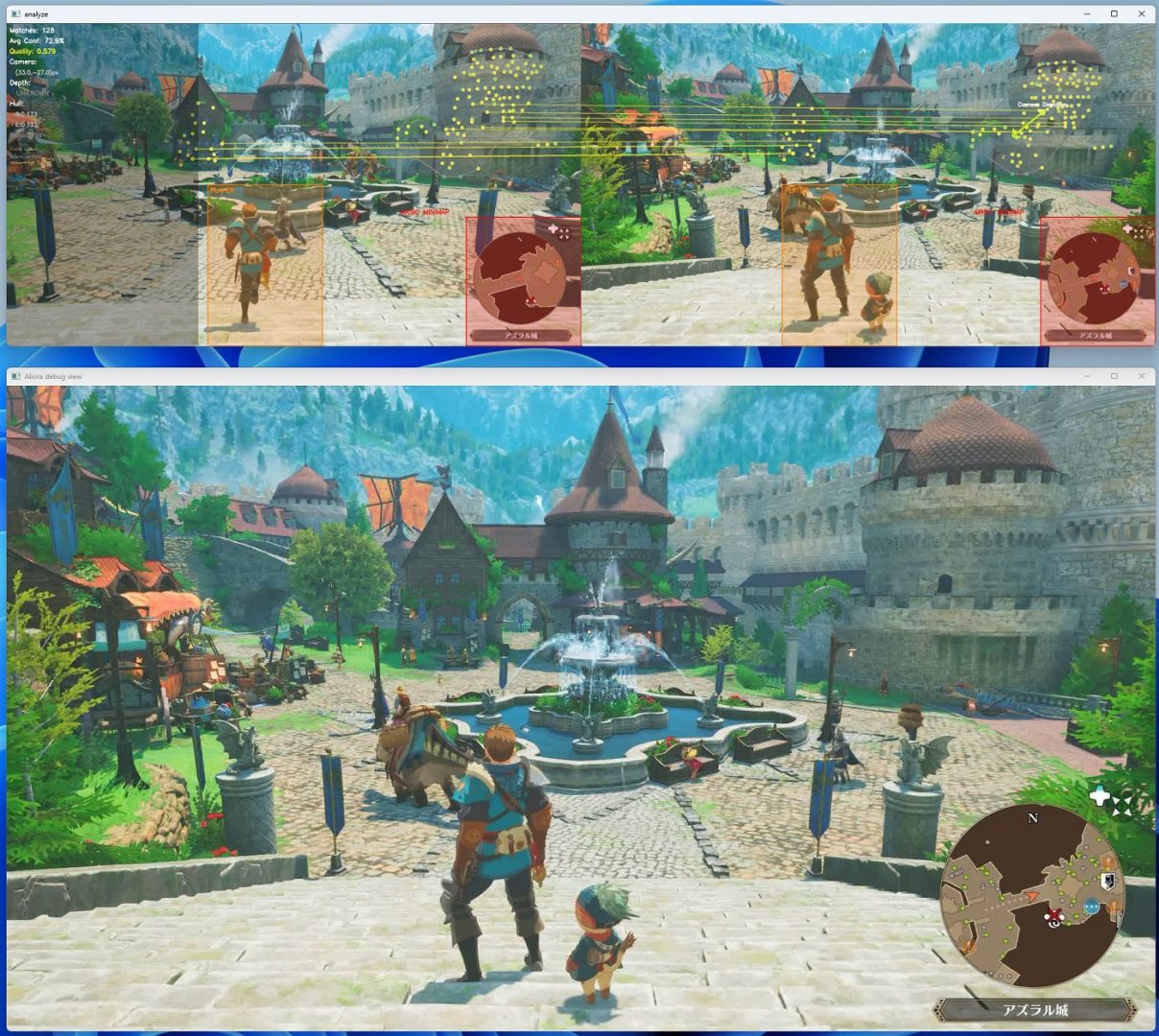
“The AI compiles its findings and reports them to debugging check agents, but instead of relying solely on humans, another agent first assesses these reports against the game director’s vision. A substantial amount of this verification and evaluation occurs while humans are off duty. Following this, the system filters for issues that are highly likely to be ‘inconsistent with the game’s intended concept’ and flags them. By having the AI conduct these checks beforehand, humans are spared from performing extensive manual verification tasks,” Inoue explains to 4Gamer.
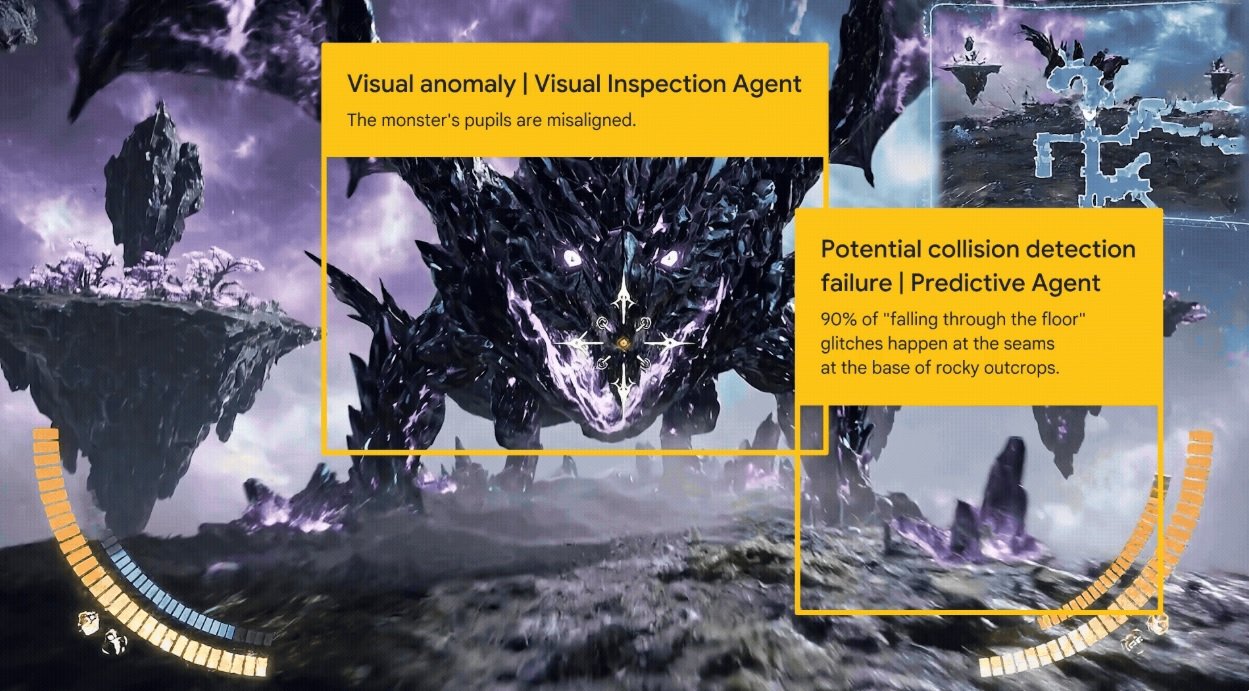
According to a Google Cloud press release from April, Capcom’s playtesting system manages approximately 30,000 hours of testing work monthly, significantly alleviating the burden on developers. The AI agents utilize Gemini Vision to “observe” the game screen and identify technical glitches, while differentiating genuine errors from intentional design choices based on their training data. Additionally, the AI examines historical data to anticipate where the game system might “fail” next and prioritizes testing high-risk areas over random checks.