






A Chinese outlet questions Japanese fans’ stadium-cleaning tradition
This drama brings a strong critique of the famous Japanese community custom.

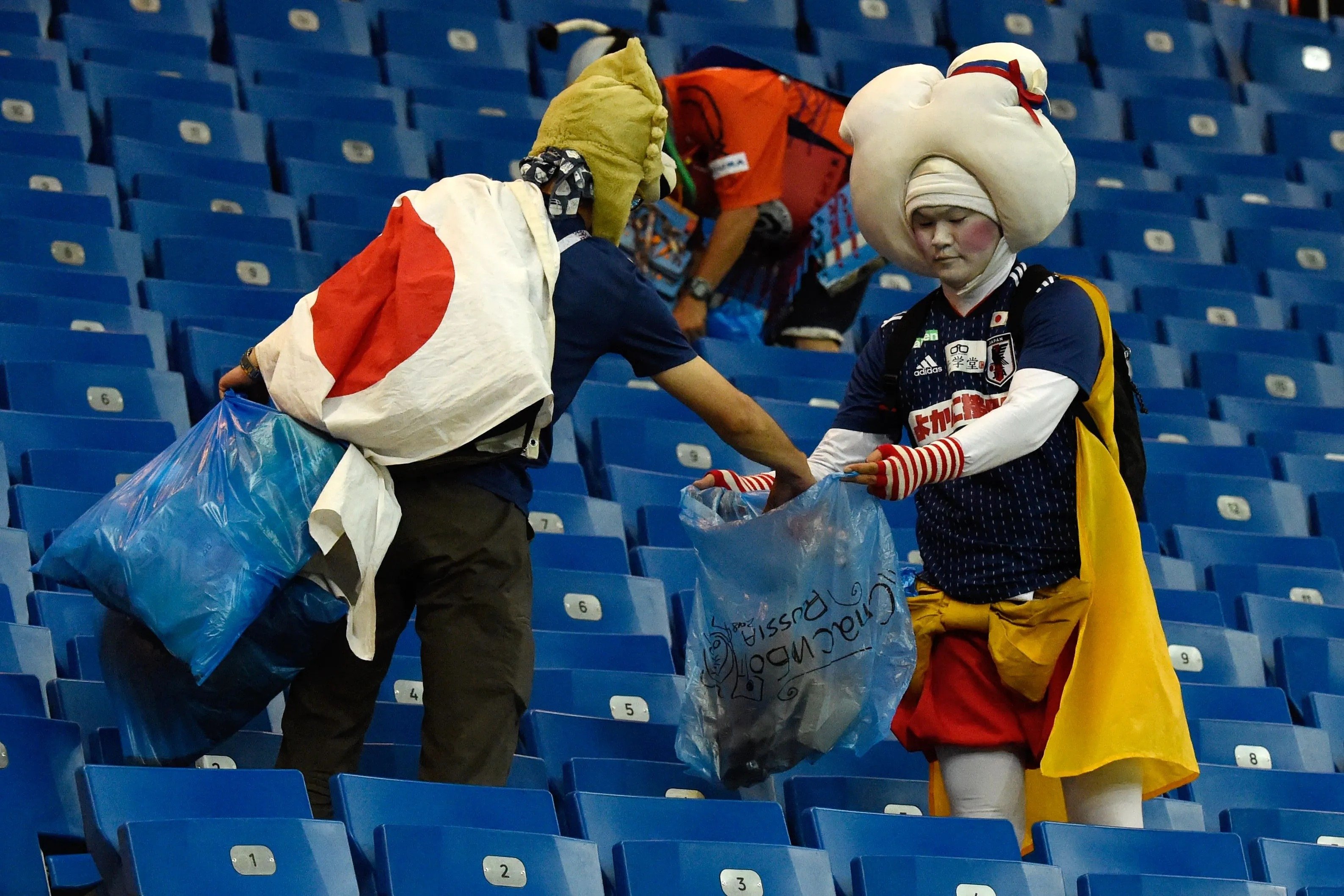
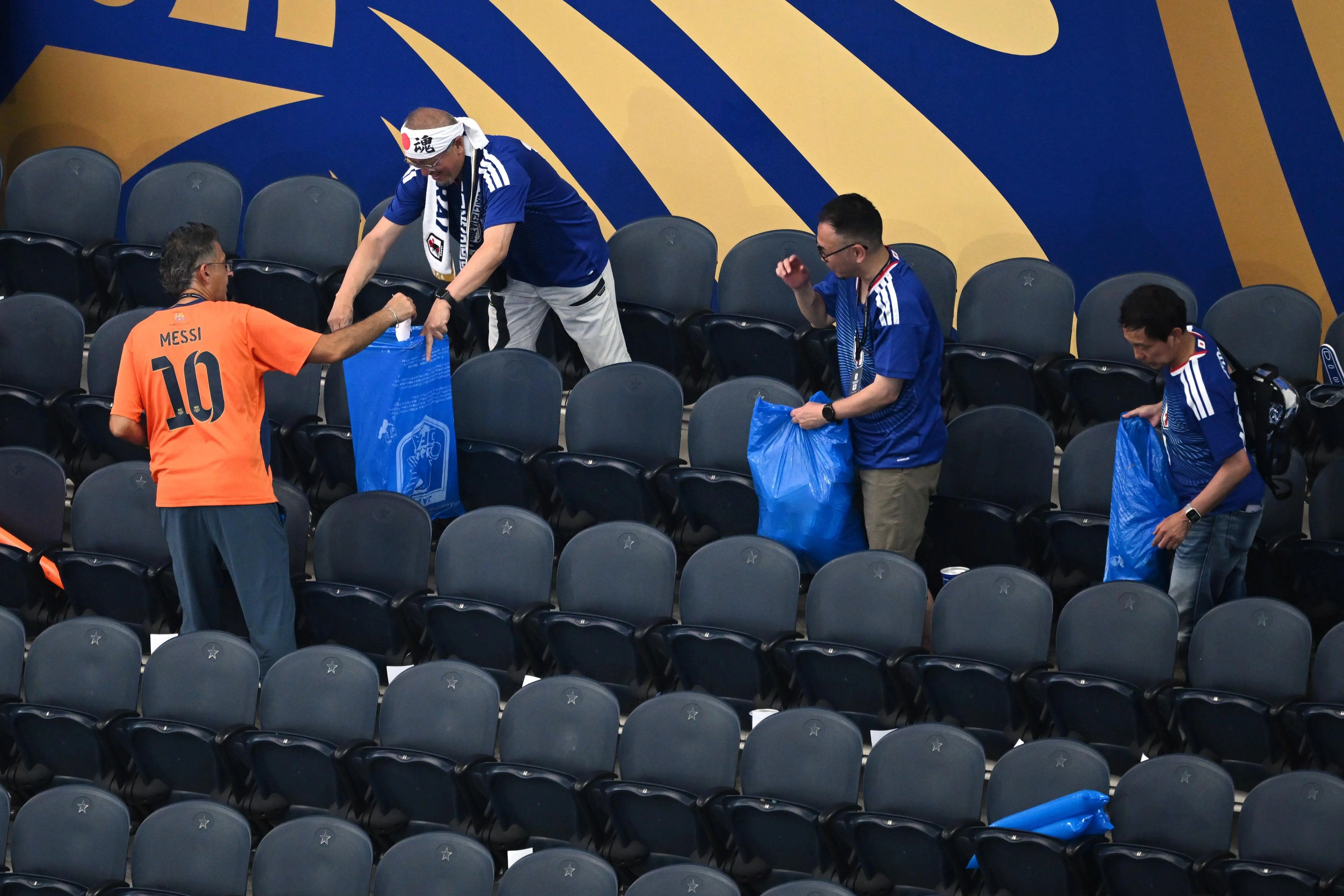
Seeing Japanese fans clean up stadiums after international matches has become a classic and widely praised sight worldwide. However, what many view as a perfect example of innate education and civic sense is now under sharp criticism questioning whether it’s a genuine community tradition or just a PR strategy to look good in others’ eyes.
The origin of stadium suspicions
A Chinese state media outlet, the Global Times, published a report openly questioning the sincerity behind this deeply rooted habit in many international tournaments. According to the outlet’s analysis, the practice of staying in the stands after events to bag waste may be driven more by a desire for international praise than by an authentic cultural custom practiced selflessly by fans.
Two sides of the coin online
The core of the debate isn’t just the outlet’s direct accusation but the behavior of netizens online. The report notes that some Japanese users reacted with skepticism and irony when social media praised cleaning efforts by fans of other nationalities. Allegedly, these Asian users accused foreign fans of performing such acts solely to trend globally and gain approval, sparking accusations of double standards in the debate.
The piece frames the conflict as how well-intentioned actions aren’t safe from suspicion in online spaces. In these forums, simply picking up others’ trash can easily be interpreted as a cold, calculated attempt to boost a nation’s public image abroad.
The backdrop of a cultural and identity dispute
On one hand, supporters of Japanese fans argue this behavior stems from a deep sense of responsibility and consideration for others, a mindset honed over years attending mass sports events. On the other, critics cite selective online reactions as proof that praise isn’t applied equally across cultures.
In the end, this clash reflects the constant tensions between fan communities from different countries online, where a small act of courtesy becomes a point of national reputation discord. Gestures of respect always come under the microscope of the internet when historical rivalries are involved.
Do you think the stadium-cleaning custom is an honest reflection of Japanese education we should imitate without judgment, or do you think the internet has a point in suspecting that many collective actions today are done for international approval?

The community defends cosplayer Ino Cat after mockery in Mexico over her Miku costume
