







On July 1, Epic Games CEO Tim Sweeney posted on X, arguing that Steam’s high fees are a primary factor behind several major free-to-play games not appearing on the platform. These comments, however, prompted swift criticism from gamers.
Digital game storefronts typically take a percentage of the revenue developers earn from game sales and in-game purchases. On the Epic Games Store, developers incur no fees until a game generates $1 million in annual revenue, after which Epic charges a 12% commission. Conversely, Steam typically takes a 30% cut, with the rate decreasing to 25% on revenue above $10 million, and 20% for revenue above $50 million. Microsoft’s PC store also lowered its revenue share to 12% in 2021, though Xbox console sales still face a 30% fee.
In his post, Sweeney contended that Steam’s high fees mean publishers with established brands and large fanbases prefer to distribute their games independently, citing Epic Games, Riot, and miHoYo as examples. Sweeney suggests that reducing the platform’s commission and making it more accessible would entice such publishers to release their games there, ultimately boosting Steam’s own profits.
These remarks echo comments Sweeney made during his keynote address at the “State of Unreal 2026” held in Chicago last month. Discussing the rise of closed ecosystems like Roblox, he emphasized the need for an “open, interconnected gaming ecosystem” where all game developers can participate, proposing an industry-wide initiative he termed “Team Open.”
In a follow-up interview with PC Gamer, Sweeney was asked whether he viewed Valve as a potential part of Team Open, to which he replied affirmatively. He again pointed to the absence of Fortnite, Riot titles, and games like Genshin Impact from Steam, arguing that Valve’s lack of openness is causing it to miss out on numerous business opportunities.
This sentiment isn’t new for Sweeney, as the CEO has historically criticized platform commissions and payment restrictions. For example, in 2020, Epic introduced its own payment system in the mobile version of Fortnite to avoid App Store and Google Play’s high handling fees, leading to the game’s removal from both stores and years of legal battles with Apple and Google. After the disputes, Fortnite was able to return to mobile platforms, and Epic launched its mobile game store. More recently, Sweeney harshly criticized country-specific commission rates Apple introduced in Japan in response to new domestic fair competition laws.
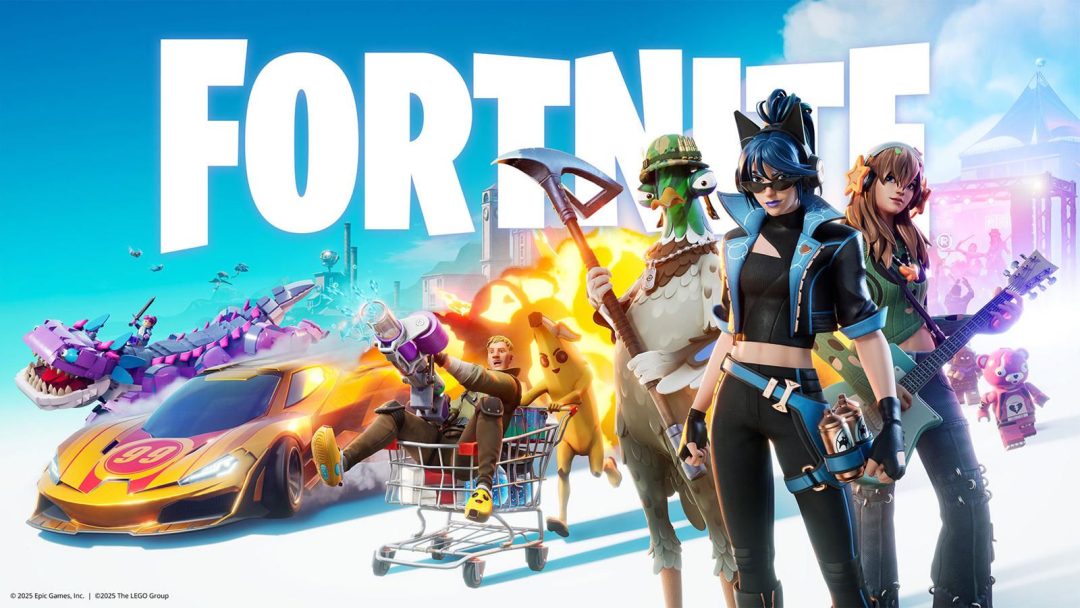
With this in mind, his recent criticism of Steam’s 30% commission hardly comes as a surprise. However, the remarks have inevitably sparked many to question Epic’s own business model, with numerous replies on X citing the company’s layoffs of over 1,000 employees announced earlier this year. Epic operates not only the Epic Games Store, but also develops Unreal Engine and Fortnite, and the company attributed the layoffs in part to declining Fortnite engagement.
Sweeney’s claim that Steam’s fees are preventing major live-service games from launching on the platform and ultimately hurting Valve’s own business is also open to debate, given that several high-profile free-to-play title have arrived on Steam in recent years despite its revenue share. miHoYo’s Zenless Zone Zero recently launched on the platform, Wuthering Waves debuted on Steam in 2025, and NTE: Neverness to Everness is scheduled to release there on July 8. While it’s true that games like Genshin Impact remain absent, the rapid growth of Steam’s user base appears to be making the platform increasingly attractive to live-service developers in recent years. While platform fees undoubtedly play a role in publishing decisions, it’s hard to claim that eliminating them would necessarily translate into higher overall revenue.
Looking ahead, Epic plans to launch Unreal Engine 6 in Early Access by the end of 2027. The new engine aims to merge Unreal Engine 5 with Unreal Editor for Fortnite, allowing game assets, content, and economies to interoperate across titles. Whether Sweeney’s vision for Team Open ultimately materializes (and whether Valve would ever choose to participate) remains to be seen.