






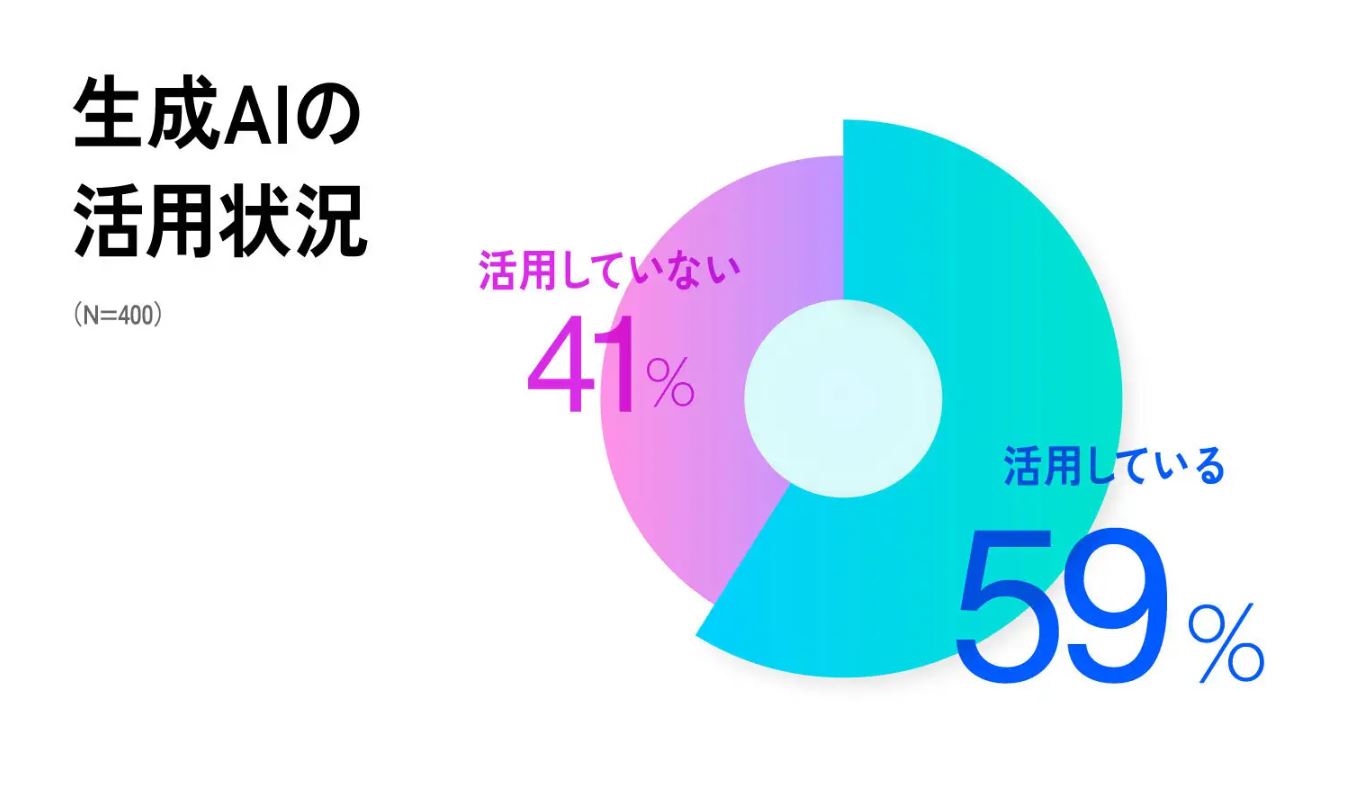
Japanese creative firm Amana released the findings of a study on AI and creativity, as covered by GameBiz. Based on a survey of 400 professionals in creative and marketing roles within corporate settings, the research revealed that while a majority of businesses are already implementing generative AI in creative tasks, most keep this practice confidential.
According to the study, 59% of participants indicated their company utilizes generative AI, while 61.75% reported that AI is already shaping internal creative decision-making processes. As the findings suggest, this indicates that generative AI is influencing not just production workflows, but also the creative endeavors that companies undertake.
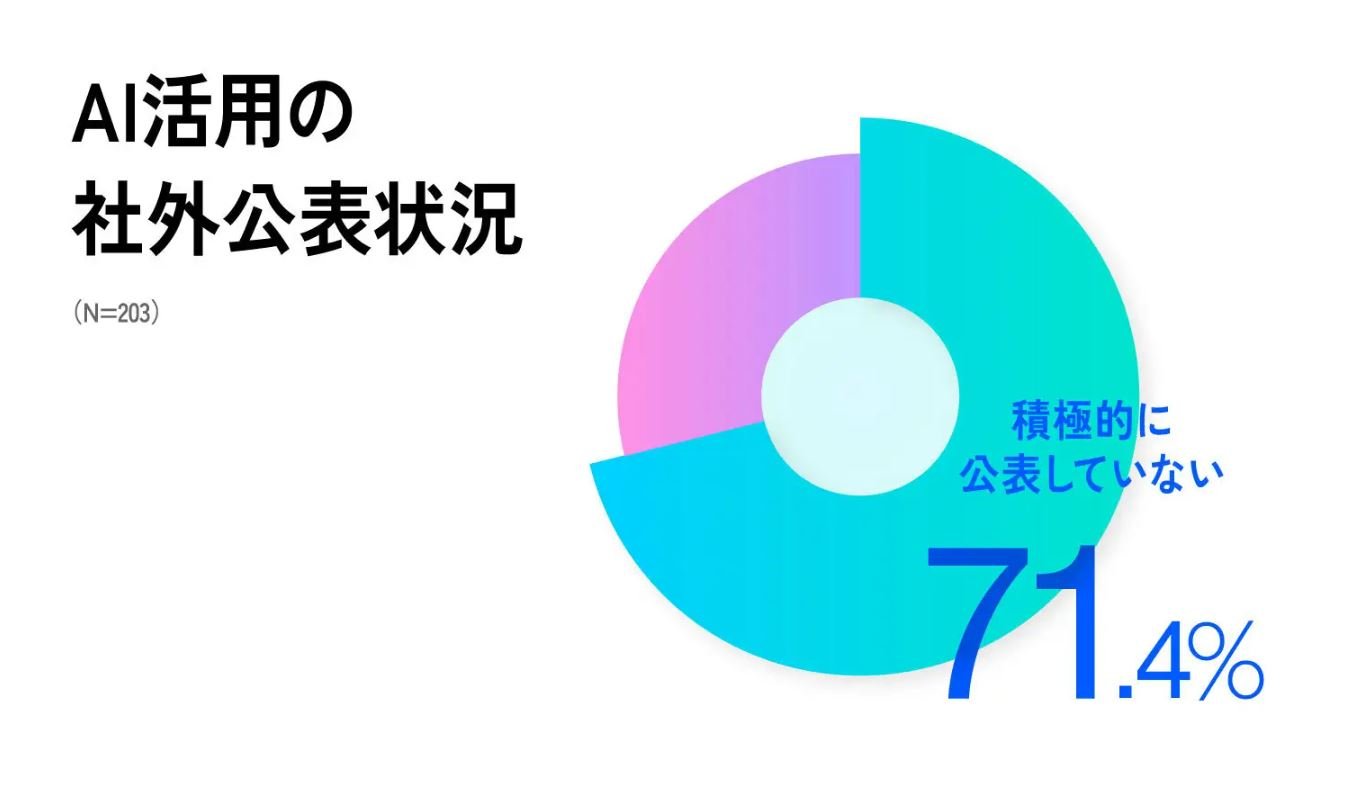
However, despite the widespread adoption, the data showed that 71.4% of companies using AI do not publicly acknowledge this fact. The primary obstacles mentioned regarding AI implementation were copyright and intellectual property issues (32.5%), followed by the absence of clear evaluation metrics (24.0%) and inconsistent output quality (21.5%). Moreover, 43.5% of respondents stated their organization either lacked AI usage policies or were uncertain about their existence.
Based on these observations, the study concludes that corporate AI integration in creative work has “transitioned from experimental phases to practical daily applications.” Although this survey focused on Japan’s broader creative sector, the subject holds relevance for the gaming industry. A study published by the Computer Entertainment Supplier’s Association (CESA) last September discovered that 51% of Japanese game companies were using AI in some capacity, with the most prevalent applications being creative (generation of visual assets and images, followed by story and text generation).
Since then, certain companies such as Capcom have revised their policies regarding AI to include only “routine tasks” rather than creative work, but adoption appears to be accelerating at a considerable rate. Given the consumer backlash that follows nearly every instance of a company announcing or being found using generative AI, it’s understandable why some choose not to disclose its use initially, though hopefully, disclosure mandates like Steam’s are fostering greater transparency.