
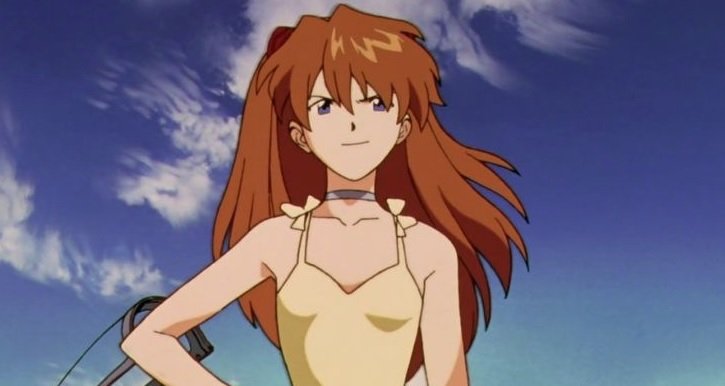

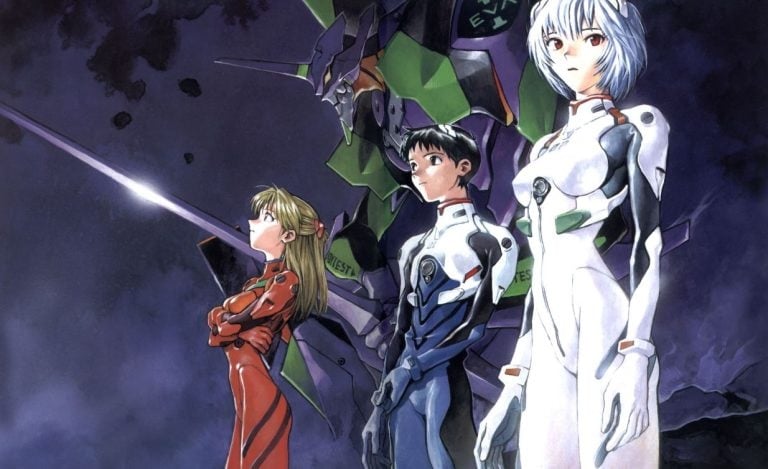
Voice actress Yuko Miyamura, widely recognized for her portrayal of Asuka Langley Soryu in Neon Genesis Evangelion, recently shared her insights in a column for Japanese online magazine Hanasone. She delved into the challenging experiences of being an otaku in Japan during a time when the subculture was far from mainstream. Miyamura also reflected on some of the distressing moments she faced while representing the seiyuu community in public media.
During the 80s, when Miyamura was a teenager, anime began its transition from a medium exclusively for children to one that appealed to diverse audiences. This shift paralleled the flourishing manga scene of the era, and together, they fueled the rise of the “otaku” movement across Japan. Despite this, otaku were still perceived as outsiders, and openly expressing enthusiasm for anime and manga was often met with disapproval.
Miyamura recalled how anime merchandise stores, such as Animate, were tucked away in inconspicuous locations like old buildings, rather than on bustling main streets. Even when she managed to purchase items like bromide prints and sakuga cels from her favorite artist Shingo Araki, she felt compelled to conceal her “otaku side” from public view.

Miyamura’s career as a voice actress took off in the mid-90s, a period when anime culture started gaining mainstream traction. Studio Ghibli films introduced new fans to the subculture, and Neon Genesis Evangelion, a project she contributed to, became a hit among otaku. Nevertheless, the stereotype of otaku as peculiar, tech-obsessed outcasts persisted, and mainstream media frequently ridiculed such interests. This placed voice actors, who were gaining prominence, in a precarious situation.
“Whenever we were invited to appear on popular TV variety shows, voice actors were treated as if we were rare specimens. We were regarded as novelties and spoken to condescendingly. They mocked our otaku fans and showed us discriminatory behavior,” Miyamura admitted.
Miyamura cited a specific “incident” involving media coverage of her public radio show. She was informed that the coverage would focus on the “current boom in anime radio culture.” However, the actual report centered on “techno addiction,” portraying otaku in a negative light and labeling them as a socio-pathological issue. “I felt like I was tricked. It was so horrendous I actually asked them to shelve the recording. Back then, appearing on TV was a constant trauma for me,” she wrote.
Miyamura also remembered another distressing experience from around the same time. During a kickoff meeting for a well-known TV show, the director proposed a segment that clearly mocked her otaku fans and the anime community, claiming it would be “entertaining to see on TV.” “I remember being shocked, thinking – Wow, does everyone in the TV industry have such a bully mentality?, ” she wrote.
She declined the original offer but agreed to participate only if the production team revised the concept entirely. However, they failed to honor their promise, and Miyamura was forced to adapt to the initial, mocking outline. “I felt like I was tricked. It was so horrendous I actually asked them to shelve the recording. Back then, appearing on TV was a constant trauma for me,” she recalled.
Despite these challenges, Miyamura expressed gratitude for the increased acceptance of anime culture in recent years. “Recently, many celebrities and TV production staff have openly shared their love for anime. Thanks to them, voice actors have secured their place, and I’ve been fortunate enough to work in environments where I’m treated with respect,” Miyamura wrote.
Related articles: