





Koreans trash Japanese idol group, sparking major debate
Korean fans criticized =LOVE’s performance for its style and costume.

A cultural clash erupted after the Japanese idol group =LOVE (Equal Love) appeared on a Korean music program on August 25, 2026. Korean fans described the ten-member group, produced by former AKB48 member Sashihara Rino, as a “childish school play” and accused it of having a “pedophilic concept.” Some threads claimed Japanese idols violate women’s rights and shouldn’t seek overseas expansion. The original post, by Korean user LASER8 the day before, expressed shock at the production quality compared to K-POP standards: frilly costumes, youthful presentation, and an execution that felt incomplete or overly “cute” to some viewers.
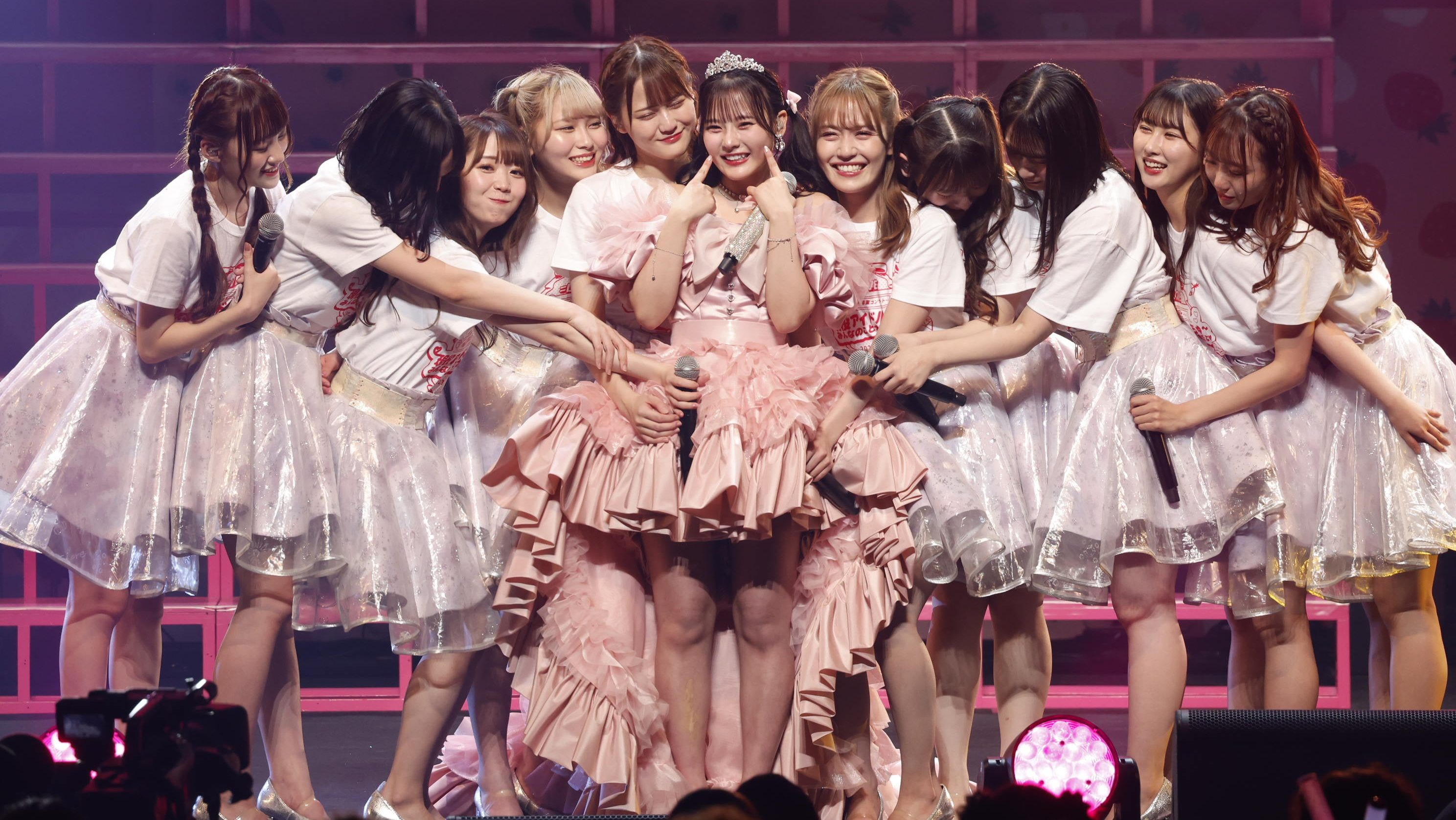
Japanese forums immediately responded. They noted that K-POP often features overtly sexualized choreography and uniform aesthetics achieved through intense training and cosmetic procedures. They also pointed out that several =LOVE members are in their late 20s or 30s, making the “little girls” framing seem forced. The exchange, documented on August 25, escalated into mutual accusations without any official statement from the group or management.
=LOVE was launched in 2017 as part of producer Sashihara Rino’s idol projects. The group maintains a clear identity: everyday girl appeal, lace-and-pastel outfits, and the idea that growth happens before the audience. Unlike many Korean agencies where trainee years precede debut, Japanese groups like this often debut with mixed skill levels and improve over time. In 2026, =LOVE remains active domestically with members in their late 20s and 30s. This fact fueled the debate, with Japanese commenters describing the style as “baba-sen,” targeting adult male fans, not minors.
This aesthetic isn’t new. Japanese idol culture spans decades: from Onyanko Club and Morning Musume to the 2010s AKB48 phenomenon, influenced by producer Akimoto Yasushi. Defenders emphasize the “incomplete” charm, audience participation in voting members, and the shared journey, which they say creates attachment. Outsiders, especially from markets used to high-production shows, may see it as outdated. The forum discussion shows both views exist without forcing a change in the group’s international direction.
The specific trigger—the recent Korean TV appearance—didn’t bring tour or expansion announcements. =LOVE continues its domestic schedule, and as of August 25, there’s no sign the online debate altered official plans. The controversy remains online.

Japanese users argued that if K-POP celebrates suggestive moves and physical perfection, why is =LOVE’s ribbon-and-smile aesthetic immediately seen as exploitation? Many noted that groups like =LOVE mainly cater to local audiences and exaggerating an “export offensive” distorts the episode’s scale. Some tried to frame kawaii as non-sexual affection, while Korean comments saw it as infantilization. The disagreement solidified without resolution.
The exchange touched on historical precedents and Akimoto Yasushi’s legacy. Both sides acknowledged that both industries face debates over artist welfare, training intensity, and public image. What unfolded on August 24-25 wasn’t a new policy or institutional scandal, but the recurring friction between two pop entertainment models in East Asia: one polished globally, the other transparent in process. Without =LOVE’s staff statements, formal complaints, or reported schedule changes, the episode serves as a cultural thermometer, not a corporate turning point.
For those in Latin America following the anime industry and idol scene, the episode feels familiar: whenever a domestic Japanese format crosses borders, it’s measured by foreign rules, and misunderstanding spreads faster than context. Here, the clash isn’t an opening or manga, but a live group continuing its domestic work while foreign forums debate if its cuteness is innocent, outdated, or unacceptable.
With the clash between =LOVE’s kawaii style and K-POP standards reigniting forums without changing the group’s official plans, do you think such clashes will push Japanese idols toward tougher production for export, or will they stick to imperfect growth for their local audience?

The new Atelier Ryza AI game sparks fury over its charges
