
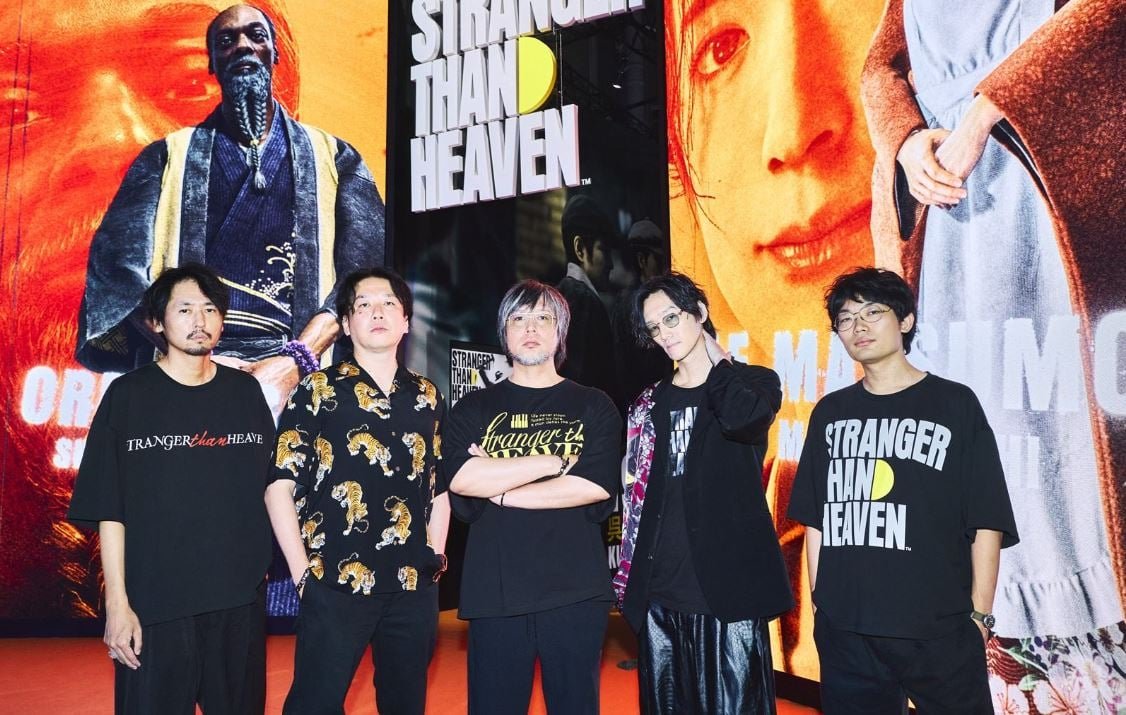
At Tokyo Game Show 2026, Sega and RGG Studio showcased an updated playable demo of Stranger Than Heaven, complemented by a special stage event focused on the new title. We had the chance to experience the demo and converse with the developers about the game’s unique features and the underlying philosophy of its creation.
Stranger Than Heaven is an original historical action-adventure game crafted by RGG Studio, the minds behind the Like a Dragon series. The game unfolds across five distinct eras and cities in Japan, from 1915 to 1965. It chronicles the 50-year journey of two men of mixed Japanese and Western descent, Makoto Daito (portrayed by Yu Shirota) and Yu Mashiro (portrayed by Dean Fujioka), whose intertwined narratives ultimately lead to the establishment of the Tojo Clan. The title has garnered interest for its unconventional combat system, allowing players to control the protagonist’s left and right sides separately.
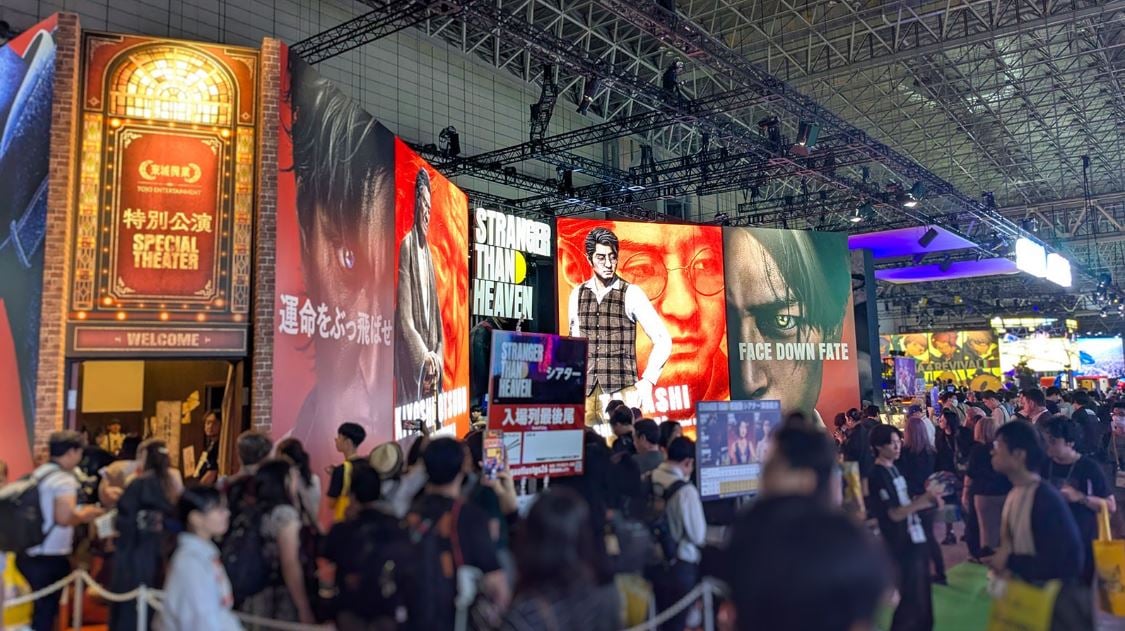
Having tried the demo, I gained insight into Stranger Than Heaven, particularly its combat mechanics. The game seems to prioritize a greater sense of “rawness” and immersion over previous RGG Studio titles. For instance, shopping, previously managed through list-based menus, now involves directly selecting items displayed outside stores. Enemy encounters also unfold more naturally – during the street brawls I witnessed, there were no character name displays or cut-ins, lending a realistic feel to the confrontations.
The most notable feature, however, is the combat system’s left/right body-split controls. The buttons and triggers on the left and right sides of the controller correspond to the protagonist’s respective body halves. Depending on the equipped weapons, you can strike with the right-hand weapon or punch with the left hand. When an enemy is downed, pulling both triggers allows you to mount them and deliver a flurry of blows.
Regarding defense, in PS-style controls, pressing Circle enables a two-handed guard, while combining it with the upper-left or upper-right button allows a one-handed guard. Timing this action successfully results in a parry, significantly disrupting the enemy’s stance.
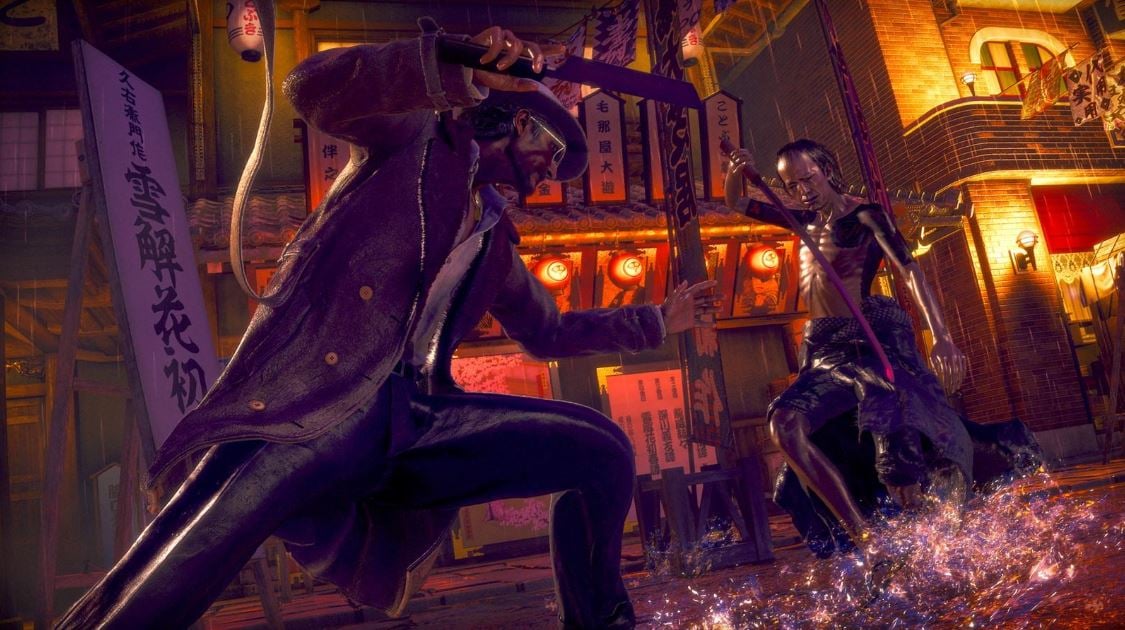
These controls significantly enhance the game’s visceral sense of immersion. The animations also convey a feeling of physically executing each movement. Instead of the protagonist instantly reacting to button presses, there’s a tangible sense of winding up and delivering each punch. This differs markedly from the brisk violence of simply pressing Square for a light attack or Triangle for a heavy attack. Instead, it can feel almost guilt-inducing, as if you’re deliberately choosing how to attack and harming another person with your own hands.
Unlike previous RGG Studio games, the combat lacks the flashiness of attacks that emit auras or involve acrobatic moves. However, I found this absence of spectacle compensated by the blood splatters and brutal animations, which created a vivid sense of a “desperate fight for survival.”
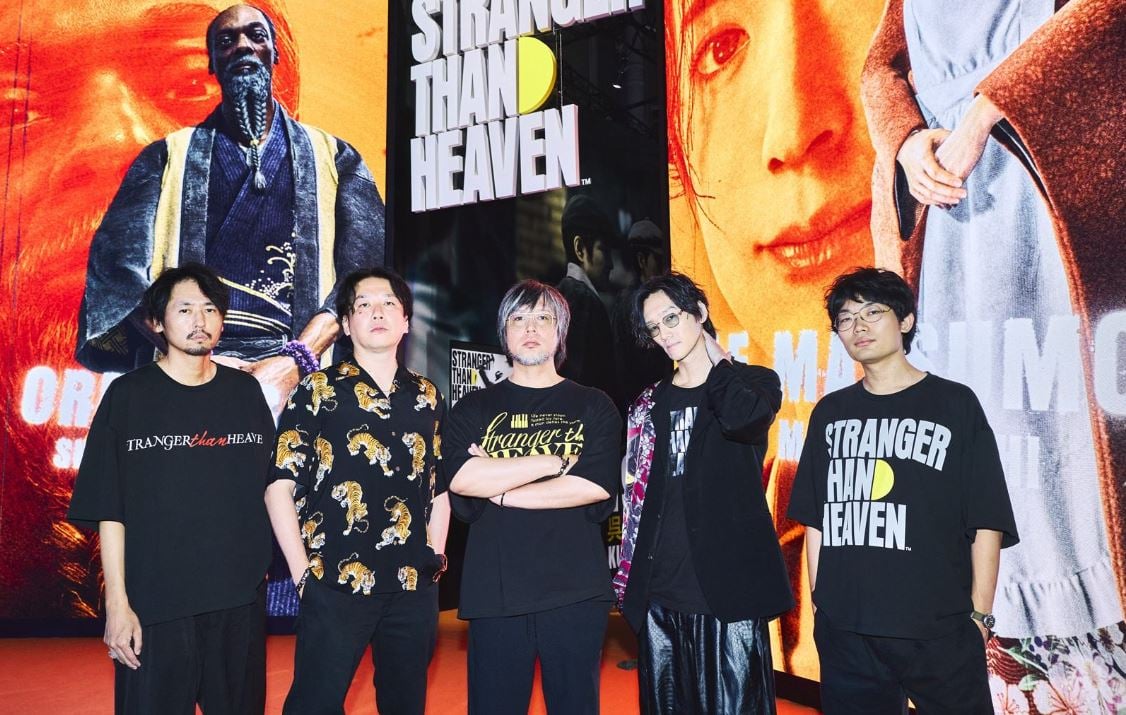
Below is an interview with five key members of Stranger Than Heaven’s development team. I spoke with: Masayoshi Yokoyama (director of RGG Studio, executive producer, and executive director of Stranger Than Heaven), Ryosuke Horii (chief director of the game), Hiroyuki Sakamoto (producer), Taishi Kanaya (art director), and Mikinobu Abe (director).
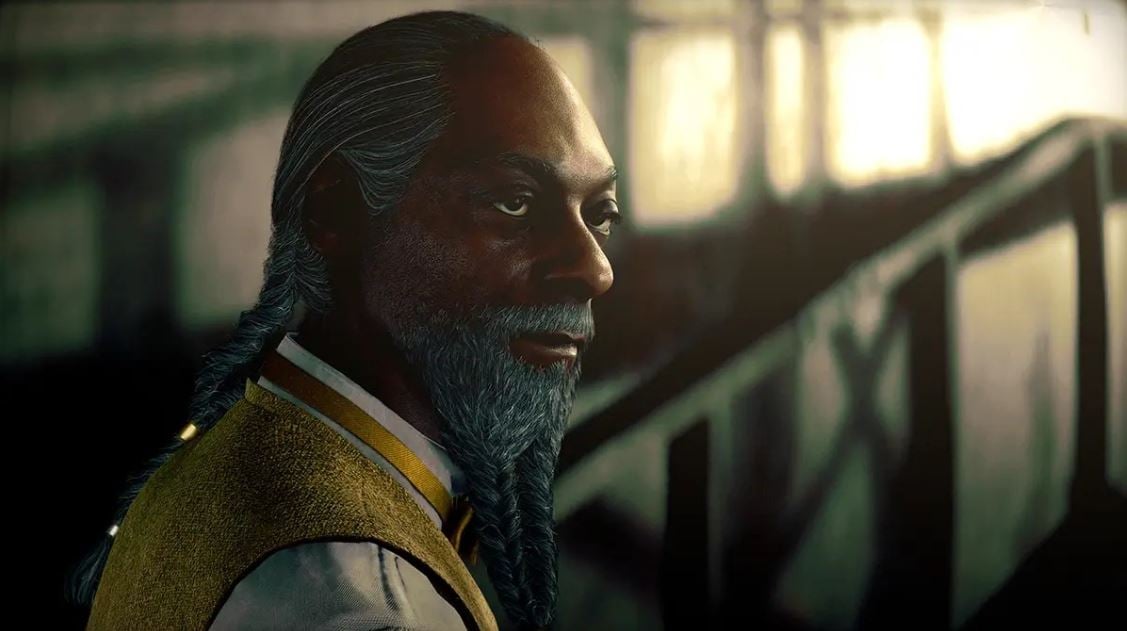
—The casting of two global icons, Snoop Dogg (as Orpheus) and Tupac (as Amaru), has elicited a strong response overseas. How did you respond to the reactions?
Masayoshi Yokoyama (hereafter Yokoyama):
Initially, we were astonished. Rather than focusing on individual cast announcements, we’re more interested in how Stranger Than Heaven as a whole is being received. That’s why we revealed Tupac at Summer Game Fest, given his global recognition. If we’d made the announcement at a Japanese event, the reaction might have been different. The buzz in the venue during the reveal was immense, and it became a major talking point. It reminded us of Tupac’s enduring influence. If that generates interest in the game, we’re delighted.
That said, we’re not casting for buzz alone. That’s a common assumption, but there’s a significant reason for casting Snoop Dogg, for example. His character’s role is to “discover the protagonist’s talent,” meaning he influences the protagonist’s life and ultimately shapes his future. The talent in question is musical, related to “sound,” so few could convincingly portray such a character.
We cast Snoop Dogg because we believed no one else could both act and lend the role that level of credibility. When someone suggests it’s merely for publicity, I think, “That’s not the case,” and we’re now proving that through the game itself.
—Kiryu and Kasuga are depicted as protagonists who generally avoid killing, with lines like Kiryu’s “I swear to you that I didn’t kill that man” becoming fan-favorites. Will Daito follow a similar path, given the intense action in Stranger Than Heaven?
Yokoyama:
Regardless of whether Daito explicitly kills anyone, we’re aware that some battle moments might make you think, “He definitely killed that guy!” Even with Kiryu, some battle depictions might suggest he’s killed someone (laughs). However, there are no cutscenes where he’s actually shown killing. The same applies to Daito; he’s not acting with the intent to kill.
That said, battles are depicted with such intensity that you might assume fatalities. The historical context is key. In modern society, crossing a certain line can lead to serious consequences. Taking a life is a significant threshold. But the era we’re depicting is one where, “if you don’t kill them, they’ll kill you in return.” We wanted to portray that and let players experience living in an era where “if you don’t act, you’ll be the one who suffers.” That’s why battles are designed to be so rough and brutal.
—The game shows Daito at various life stages, from a young man to an older man with a wealth of character. Which age was the most challenging to portray in terms of aging?
Taishi Kanaya (hereafter Kanaya):
The youngest version of Daito. We prepared artwork of Daito at