






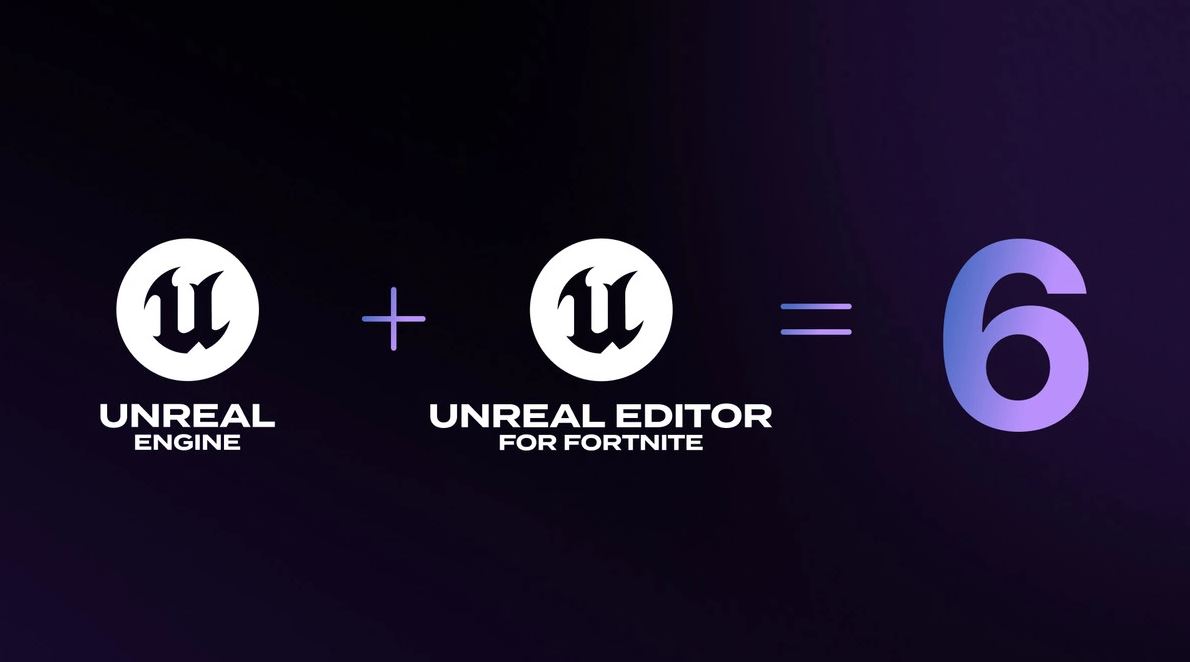
Last week, Epic Games officially revealed its upcoming next-generation game engine—Unreal Engine 6—detailing its planned features and architectural changes during the June 17 State of Unreal 2026.
Among the highlights, Epic outlined its vision for “portable content, codes and economies” across UE-developed games, with Fortnite set to serve as the initial demonstration. For Fortnite, this portability will enable cosmetics acquired or purchased in-game to be utilized in other UE titles and vice versa. Moreover, UE6’s cross-game social connectivity will allow players to maintain voice chat with friends playing different games.
In a recent conversation with South Korean publication Inven Global, Epic Games CEO Tim Sweeney elaborated on these innovations and how they aim to tackle challenges faced by new game releases today. While acknowledging that the AAA industry’s current struggles stem from multiple complex factors, such as bloated production budgets that disregard market size, he identified a distinct obstacle for multiplayer live-service games that Epic seeks to resolve.
“Players typically enjoy games with their established friend groups, and it’s nearly impossible to convince an entire circle of friends to switch from an existing game to a new one. Only the rare blockbuster hits that emerge every few years succeed in this community migration. This is the primary reason behind the recent string of failures for new multiplayer releases. Players have already built strong social networks in games like Fortnite, Call of Duty, Counter Strike, and Apex Legends; there’s little motivation to abandon friends for a new game alone,” he explained.
However, UE6’s cross-game social links will empower users to “create voice chat parties with friends in Game B while playing Game A, and encourage them to try a new title.” Sweeney also believes that the ability to carry over rare items between games will provide an even stronger economic incentive for players to explore new releases.
“The social and economic integration we’re building into Unreal Engine 6’s core architecture will not only help next-gen developers create games more efficiently and sophisticatedly, but it will also foster stronger user loyalty, significantly boosting the likelihood of global success,” Sweeney stated.
Unreal Engine 6 is scheduled to enter Early Access by the end of 2027, with the full version expected 12-18 months afterward.