







Unity Technologies unveiled its latest game engine, Unity 7, during the Unite Seoul conference in South Korea on July 21. The early beta phase is set to commence in December, with a full release planned for the first quarter of 2027.
A key highlight of Unity 7 is its seamless upgrade path from Unity 6, the prior version released in October 2024. By leveraging Unity 6’s existing architecture, the new engine allows developers to transition without rebuilding projects or learning a new programming language. Unity is committed to reducing compatibility issues during this migration process.
Unity 7 now uses CoreCLR as its default scripting backend. Unity claims this update will enhance development workflows, offering faster Play Mode startup times and shader compilation, along with new domain reload features.
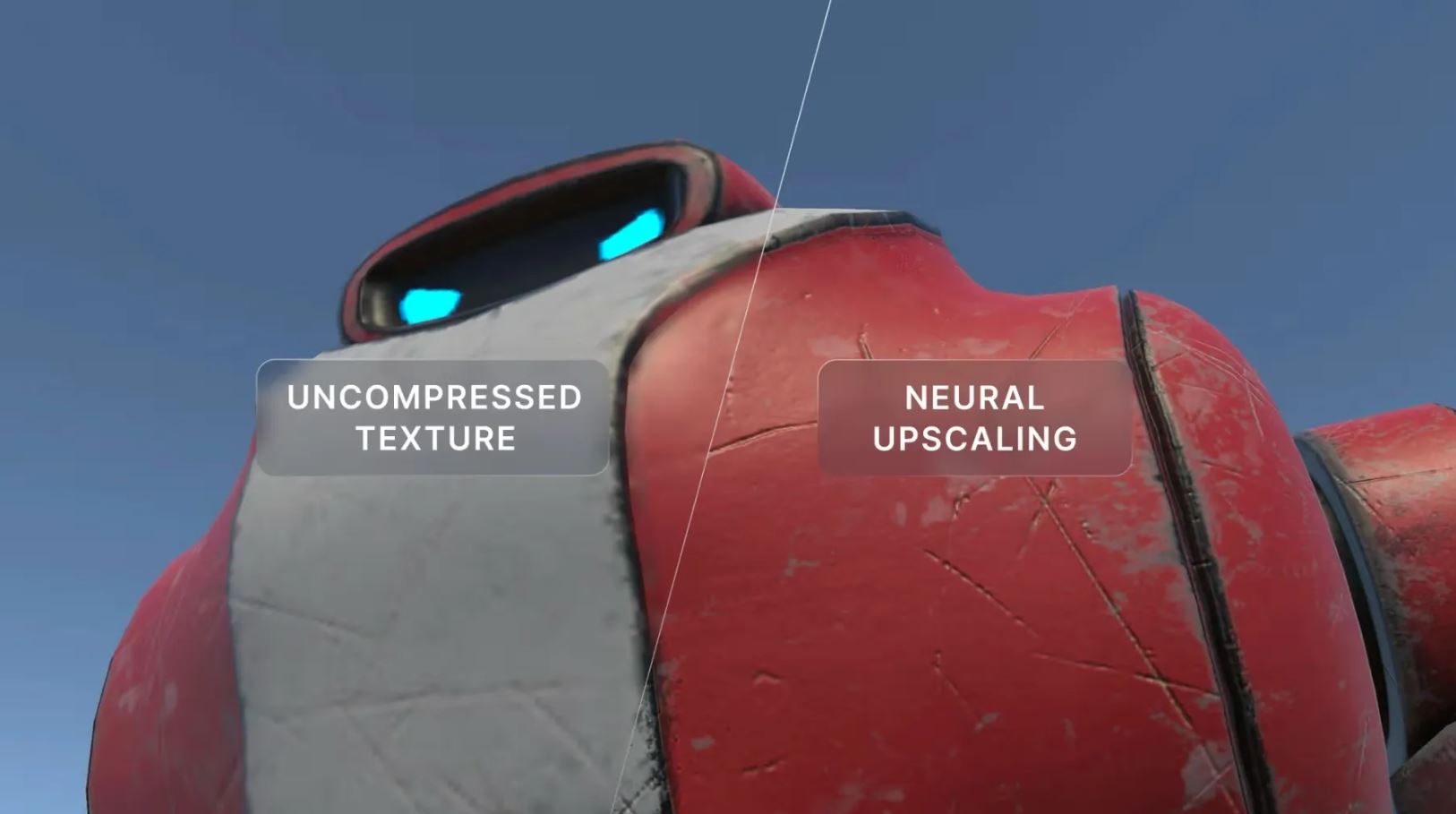
Unity 7’s improved rendering technologies and AI-driven optimization tools aim to help developers achieve superior visual quality and performance. Among its new features is Surface Cache GI, a global illumination system designed to deliver more realistic lighting effects.
The engine’s new command-line interface (CLI) and public API are designed to facilitate collaboration among development teams using familiar tools. Additionally, the free model context protocol (MCP) enables coding agents to connect directly with Unity 7. The platform also includes Vector, a set of tools to assist with direct-to-consumer commerce, no-code webshop creation, and unified product catalog management.
Unity 7’s reveal follows closely after Unreal Engine 6’s official announcement last month (though some believe UE6 was first teased during the Rocket League Championship Series in May). Both engines target a 2027 release and share similar AI-driven optimization features, but they differ in approach. Unity 7 focuses on backward compatibility, allowing developers to upgrade without disrupting current projects, whereas Unreal Engine 6 introduces Epic’s Verse programming language and plans to phase out its Blueprints visual scripting system, which currently helps developers create games without traditional coding.
 Mido
Mido