



Anime
The Mii-chan to Yamada-san anime faces harsh criticism from a Japanese association
A Japanese organization expressed concern over the impact of the Mii-chan to Yamada-san anime.

The debate on the limits of freedom of expression versus the representation of disability has reignited in Japan. The National Federation of Societies for the Welfare of People with Intellectual Disabilities issued an official document expressing deep concern over the announced animated adaptation of the manga Mii-chan to Yamada-san (Mii-chan and Miss Yamada), pointing out that the project risks reinforcing prejudices and mockery toward this group.
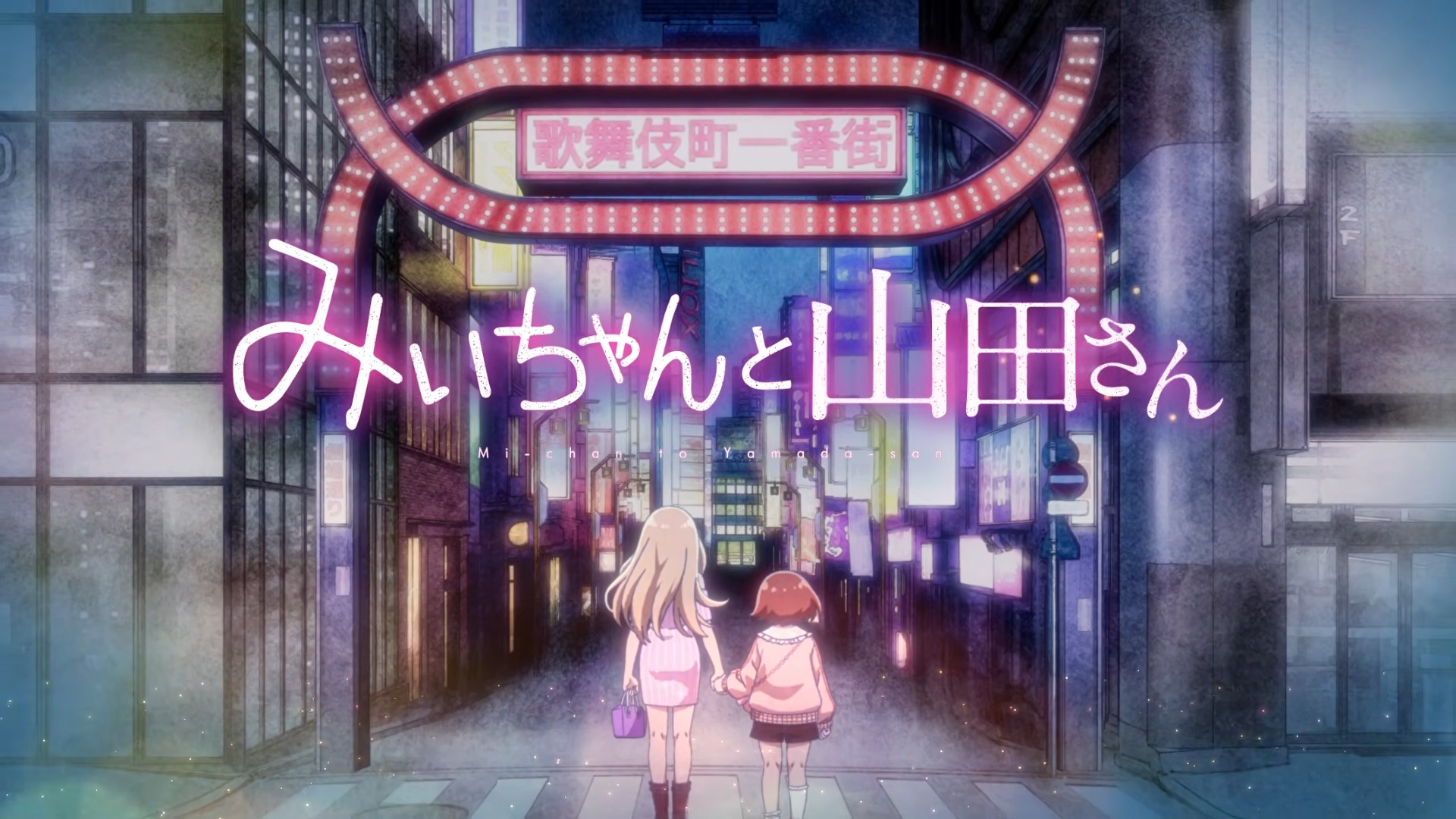
The work by Nene Azuki is set in the Kabukicho district in 2012 and follows the cohabitation of twelve months between Yamada-san, an experienced nightclub hostess, and Mii-chan, a young newcomer. Although the text never explicitly mentions a diagnosis, the portrayal of the protagonist strongly suggests a mild or borderline intellectual disability, further confirmed by the author herself stating it was based on a real woman with a disability certificate. The organization, which groups over 100,000 members across the country’s 47 prefectures, warned that the name “Mii-chan” is already being used in daily life as a derogatory insult toward women with similar traits or diagnoses.
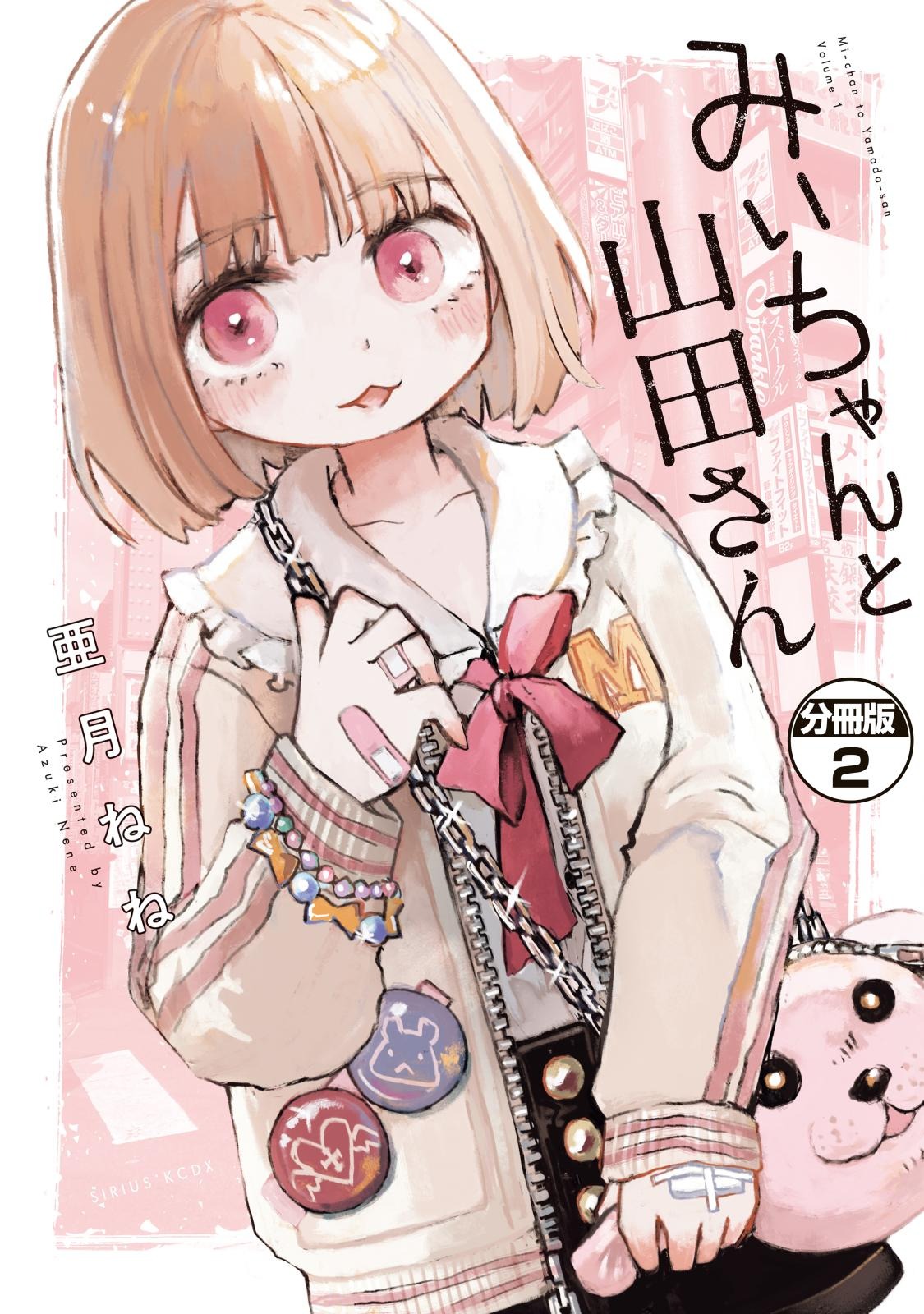
The report also highlights concerning precedents from the author and members of the publisher Kodansha, recalling past works that ridiculed stuttering or disparaged special education, as well as unfortunate statements from an editor claiming that others’ misfortune seemed “extremely funny” to them. Despite the anime’s production committee previously stating they will seek expert advice and apply appropriate age ratings to avoid discrimination, the federation demanded detailed explanations about what kind of specialists will be consulted and what real value the 2027 anime adaptation brings to this story.
With the manga having published its final chapter and the animated version proceeding toward 2027, do you think production committees should pause or modify the adaptation to prevent fiction from fueling real-life discrimination?

Japanese VTuber Komai Ume accidentally reveals her real face live
