




Culture Otaku
VTuber overcomes years of extreme isolation and bankruptcy thanks to the internet
The VTuber explained how volunteers took her to official services after her downfall
27 August 2026

There are stories that prove an avatar can be the first step toward real life when everything else has collapsed. Torai On, a Japanese VTuber, recounted how she went from years of severe social withdrawal to stable employment where she now assists people trapped in the same maze. During her late teens and early twenties, she lived as a hikikomori: intense family pressure, bullying at school, repeated cycles of confinement, depression, developmental disorders, and ultimately, bankruptcy that left her without support. A group of virtual creators taught her how to seek official help. Now she earns a salary at a nonprofit center in Nishinomiya, in Hyogo prefecture, recognized by the Japanese government as a disability support service, and uses her digital character to teach video editing to those who also struggle with social interaction.
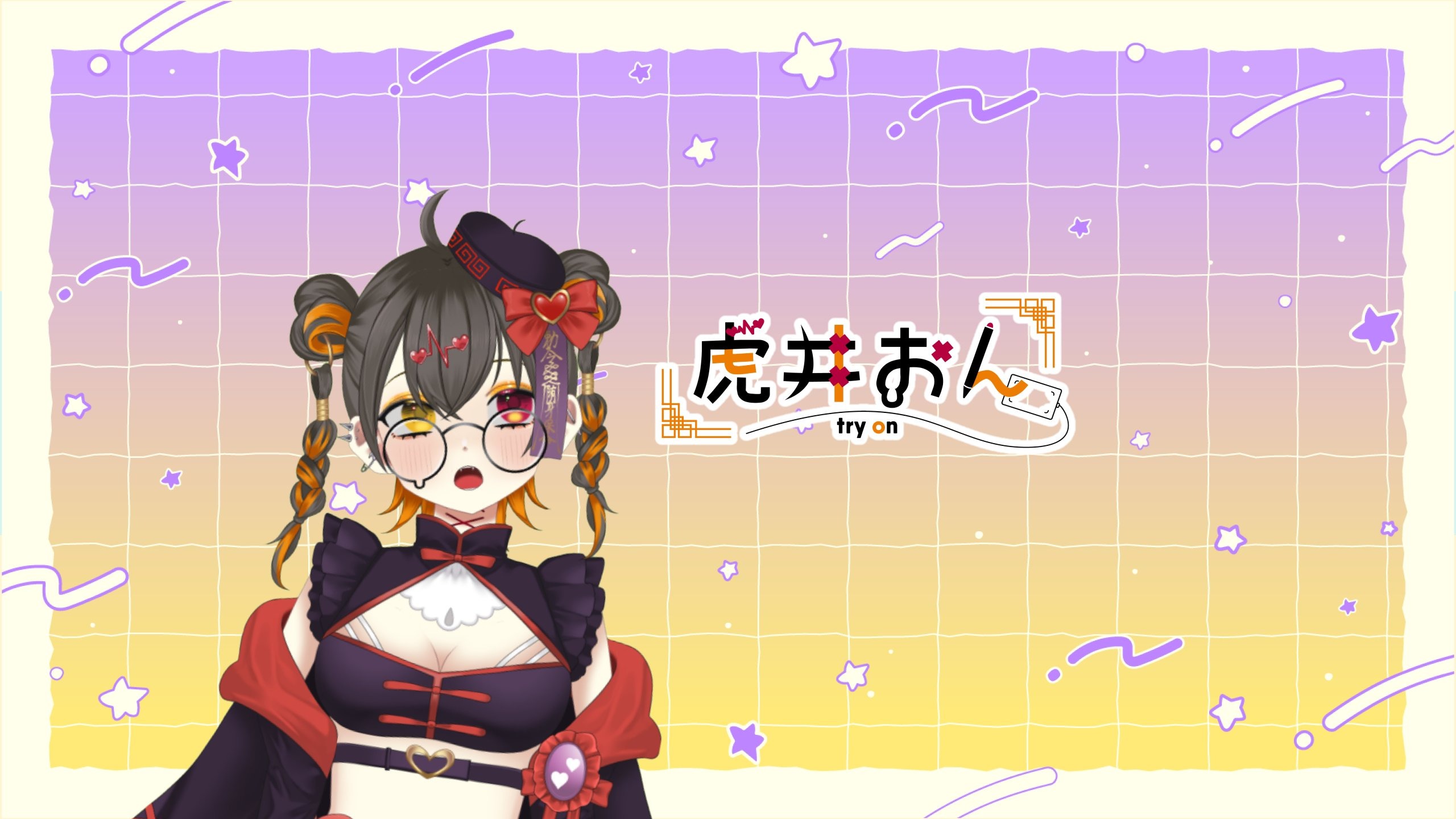
Torai On’s journey isn’t a miracle cure. She has described the constant pressure at home and the scars of school bullying that pushed her to shut herself away repeatedly. Health issues piled up: depression, developmental disorders, and increasingly long periods of total isolation. At one point, her personal finances collapsed and she faced bankruptcy. In a recent interview, she summed up her lowest point: «I thought I could actually die. Without that information, I wouldn’t have known where to start».

That information didn’t appear by magic. A group of volunteers—other virtual creators—approached her, explained how to contact local government services, and accompanied her through initial procedures. Without that clear guidance, she admits, she wouldn’t have found the way in. The national context matters: the Japanese government estimates that the hikikomori phenomenon affects about 1.46 million people. Torai On’s case shows that virtual spaces can serve as a bridge to real assistance when someone doesn’t know where to turn.
Today, Torai On holds a paid position at that Nishinomiya center. The organization is officially recognized as a disability support service. In her daily work, she uses her digital avatar to teach video editing skills to people who also struggle with serious social interaction difficulties. The character-mediated format reduces face-to-face friction and allows learning to progress without the immediate anxiety of physical encounters. This isn’t a decorative workshop: it’s paid work with real users and a clear goal of gradual reintegration.
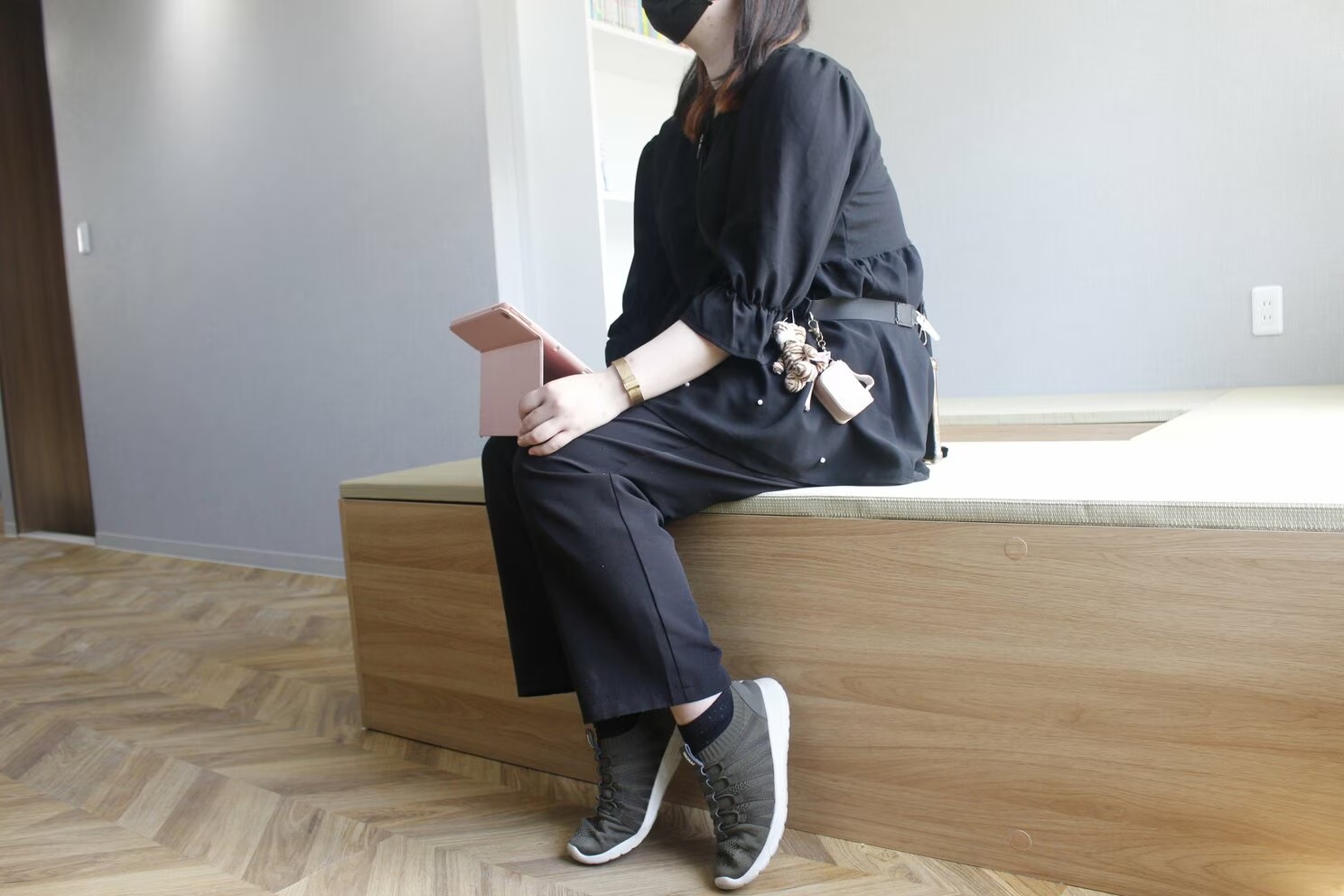
At the same time, she maintains her VTuber activities. Her content focuses on mental health and creative tool development, so the same digital identity that supported her now amplifies what she does at the center. Her full story was covered in Japanese media this week. There are no magic formulas or exaggerated promises—just concrete employment in Hyogo, an avatar that serves as a bridge, and the decision to turn her own isolation experience into a map for those still seeking a way out.
Given that hikikomori affects nearly 1.5 million people in Japan and that virtual spaces have proven to be a viable first contact toward official help, do you think more digital creators should join this type of real-world support beyond the screen?

No one trusted Yani Neko but the smoking cat girl ended up dominating
