





Anime
Is working in anime no longer a nightmare? A director defends current salaries
Motoki Tanaka claims that low wages and overwork have ceased to be the norm.

For decades, pursuing animation in Japan has been synonymous with overworking for meager pay and ending up sleeping at the desk. However, Motoki Tanaka, founder and CEO of Bibury Animation Studios, has a different take on the current reality. The executive claims that the era of miserable wages and mandatory overwork is finally over, inviting new generations to overcome their fears and try their luck in the industry.

According to Tanaka, also known as Tensho, payments are now delivered more reliably, and marathon workdays with all-nighters in offices have drastically decreased in many studios. For the creative, the social stigma of working in animation has also vanished, shifting from being seen as a strange job or exclusive for obsessed fans to a pillar of cultural pride in Japan. Although he acknowledges the work isn’t easy, he insists that making animation remains fun and that anyone with doubts should try it at least once, knowing they can always switch paths if the environment doesn’t suit them.
However, his optimistic words contrast with the harsh reality reported by several independent artists. Recent testimonies from intermediate animators reveal first-job paychecks of just $132 a month, while commission schemes at major production houses set a minimum floor of only $350 monthly, suggesting newcomers rely on family support while gaining experience.
Despite the gap, official statistics show a gradual shift in hiring conditions. A study by the Japan Animation Creators Association revealed that the percentage of workers with fixed salaries rose from 17% in 2013 to 47% recently, reducing average monthly working hours from 262 to 190. Although more than half of surveyed artists admit they’re not fully satisfied with their income relative to current living costs, the head of Bibury aims to highlight that old exploitative practices no longer define the entire sector equally.
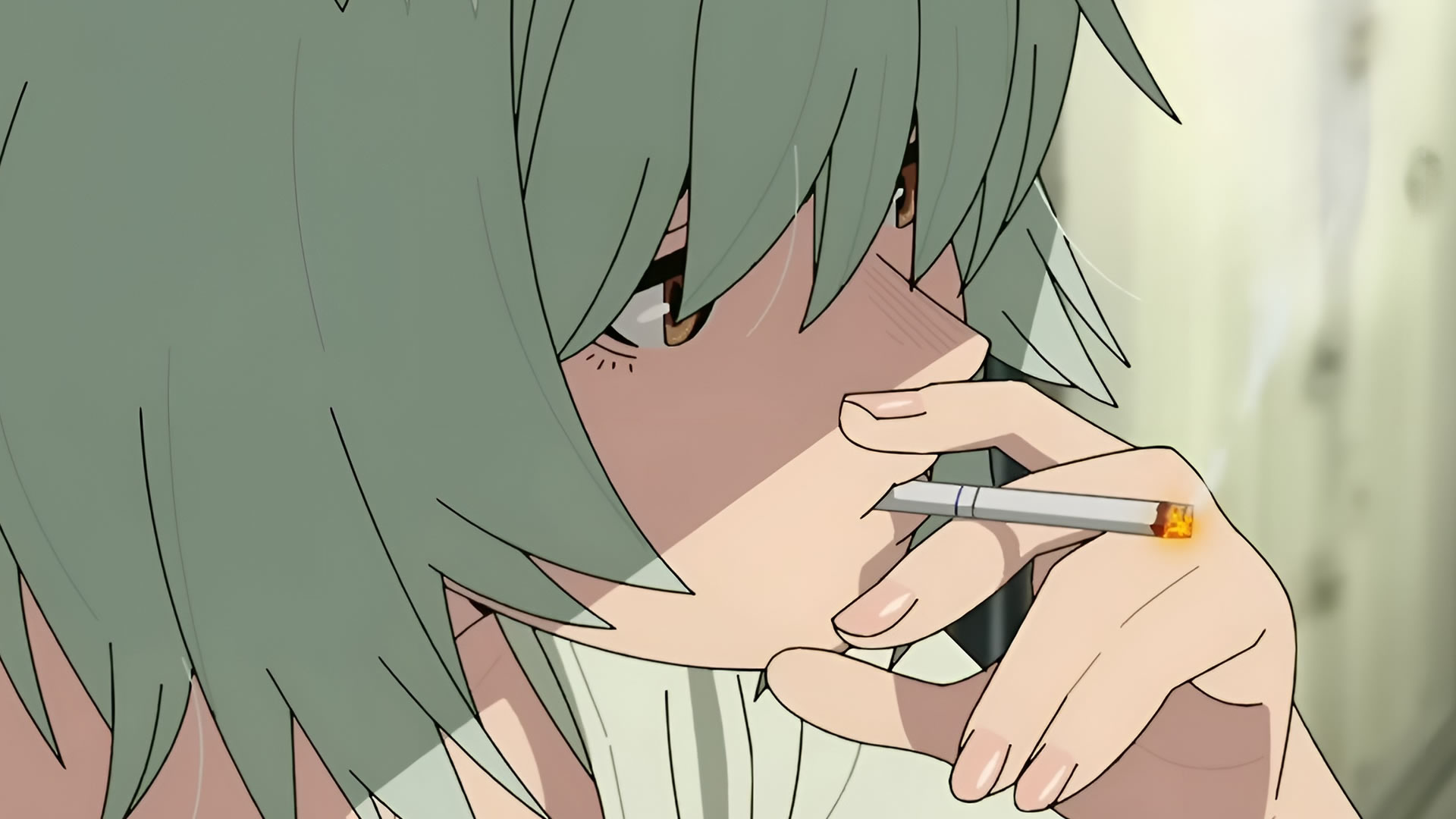
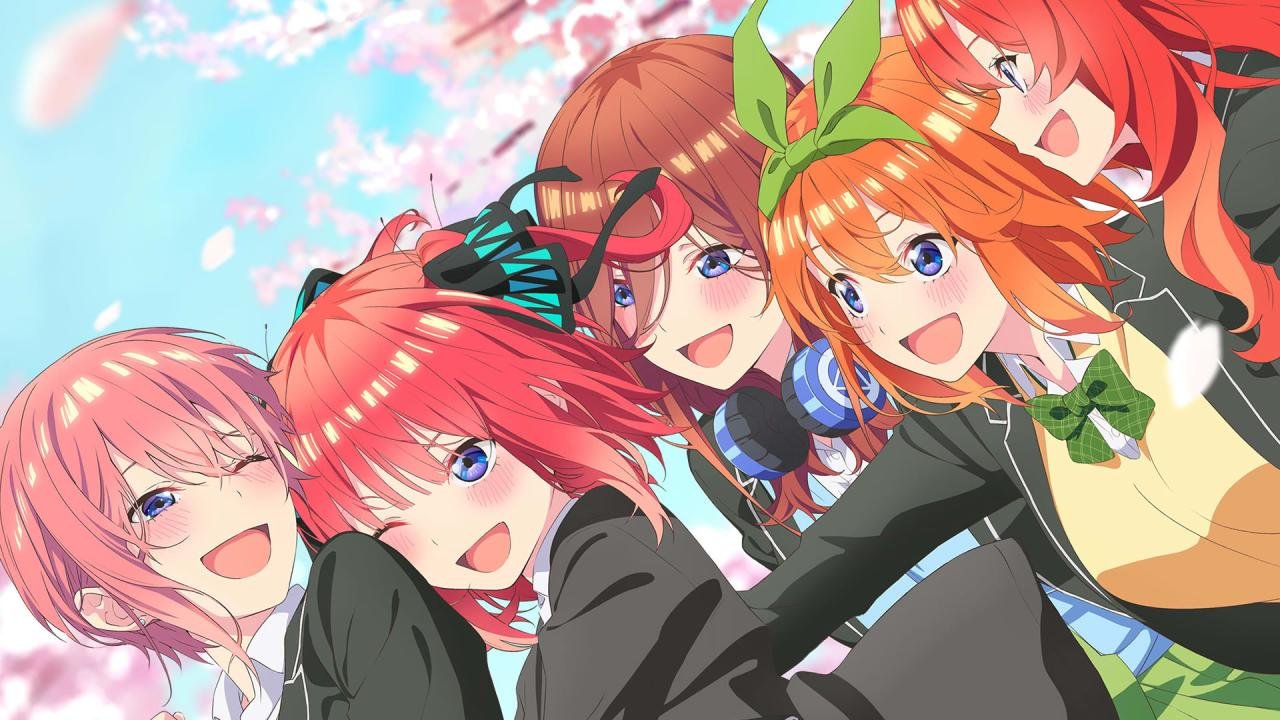
Founded in May 2017 by Motoki Tanaka himself after a notable career as a director and animator, Bibury Animation Studios has become one of the most active animation houses today. Its notable works include the anime adaptation of The 100 Girlfriends Who Really, Really, Really, Really, Really Love You, the series Witch Watch, and the recent Yani Neko, a project airing as the executive shared his reflections on the Japanese animation industry’s labor landscape.
Do you think conditions for animators in Japan are truly improving, or is there still a long way to go?

Why do so many hate VTubers? The community in Japan debates the phenomenon
