




Culture Otaku
Why Do So Many Hate VTubers? Japan’s Community Debates the Phenomenon
Japanese forums debate the reasons for the constant rejection of virtual creators.
45 seconds ago

Although the phenomenon of virtual creators has shifted from a niche curiosity to a multi-billion dollar industry dominating streaming platforms, the rejection of VTubers remains as strong as ever. A debate on Japanese internet forums went viral after attempting to answer an uncomfortable but recurring question: Why do so many people claim they simply can’t stand them?
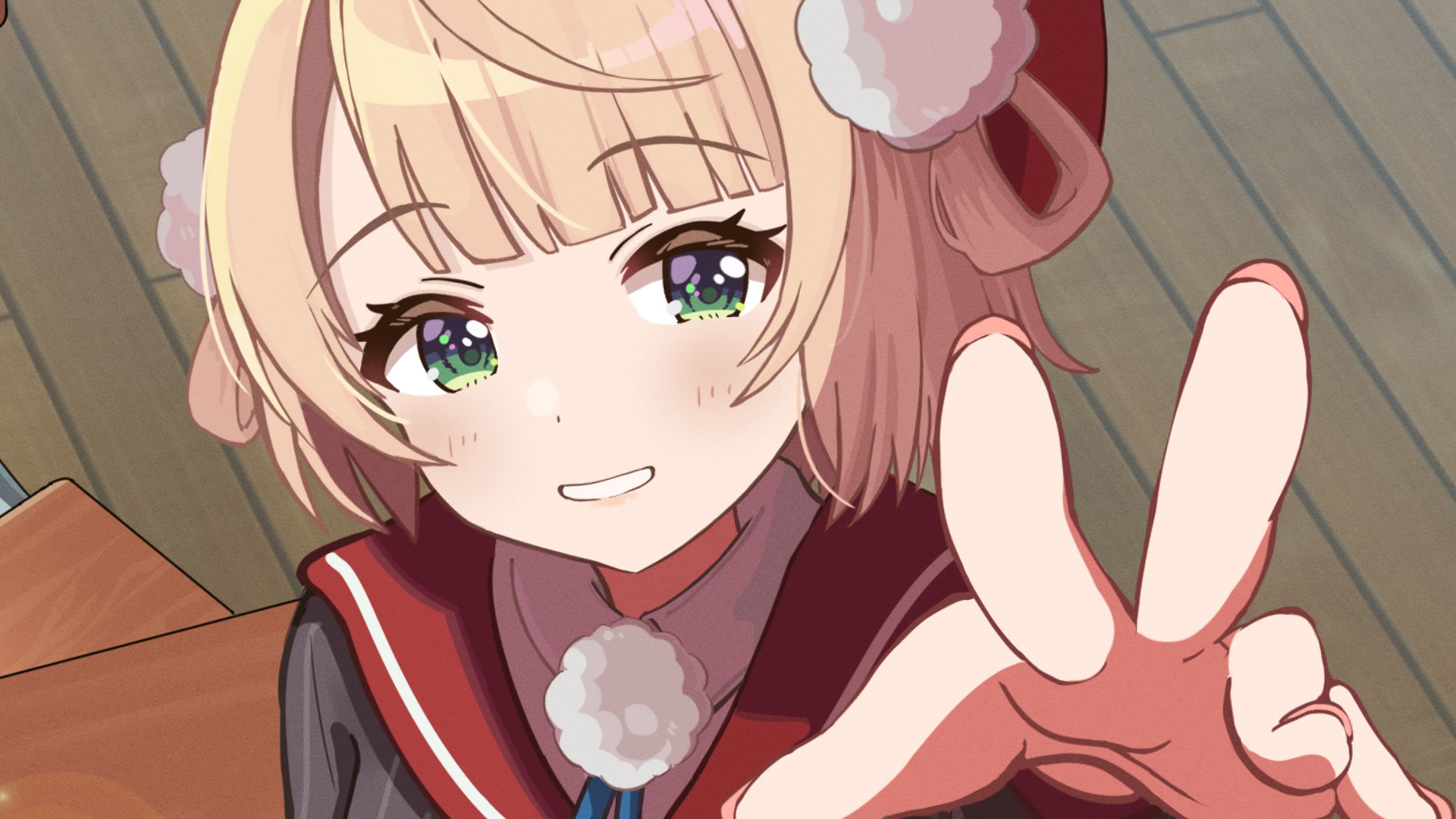
Among the most repeated arguments by users is a mix of financial resentment and an odd visual discomfort. Many point out that it’s annoying to see people earn astronomical sums through donations and subscriptions while completely hiding their faces behind a screen. However, for others, money is the least of it. The real issue lies in the disconnect between the impeccably styled animated avatar and the voice of a real adult woman talking about her daily life—a contrast that many viewers find disturbing and artificial.

The debate also touched on recent disastrous commercial collaborations. Users recalled the cancellation of Shigure Ui’s children’s clothing line after receiving violent threats, using this example to criticize what they see as a double standard in the industry. According to several comments, there’s a contradiction in defending avatars as fictional characters to sell products or make edgy jokes, but treating them as real people when seeking legal protection or reporting online harassment. Additionally, the destructive attitudes of certain fan groups and dynamics designed to make viewers feel that their favorite creators are vulnerable and need them were highlighted.

The concept of VTuber or virtual content creator took off globally in late 2016 with the debut of Kizuna AI, the pioneer who popularized the format worldwide. From that moment, the industry grew exponentially thanks to the emergence of massive agencies like Hololive and Nijisanji, along with thousands of independent talents. Today, thousands of people actively work under this format, solidifying it as a fundamental pillar of digital entertainment in contemporary otaku culture.
Do you think the rejection of VTubers is pure envy, or are there genuinely annoying aspects to their content?

Is working in anime no longer a nightmare? A director defends current salaries
