

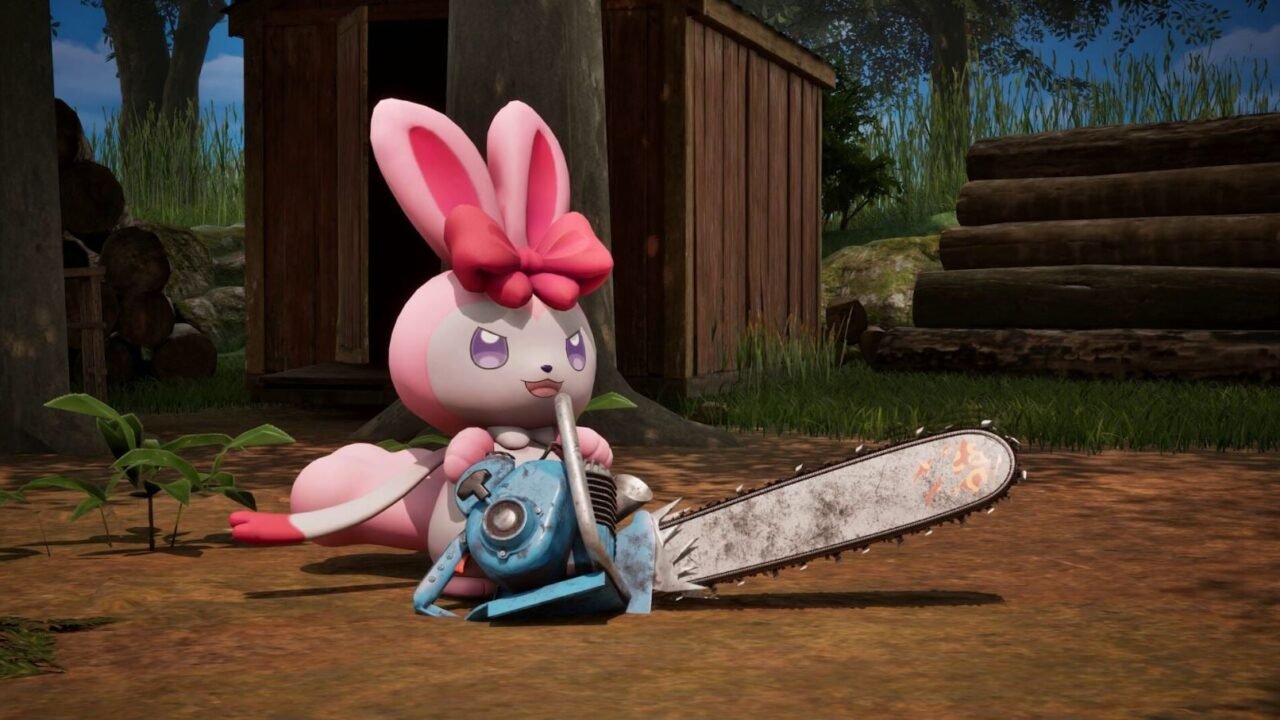




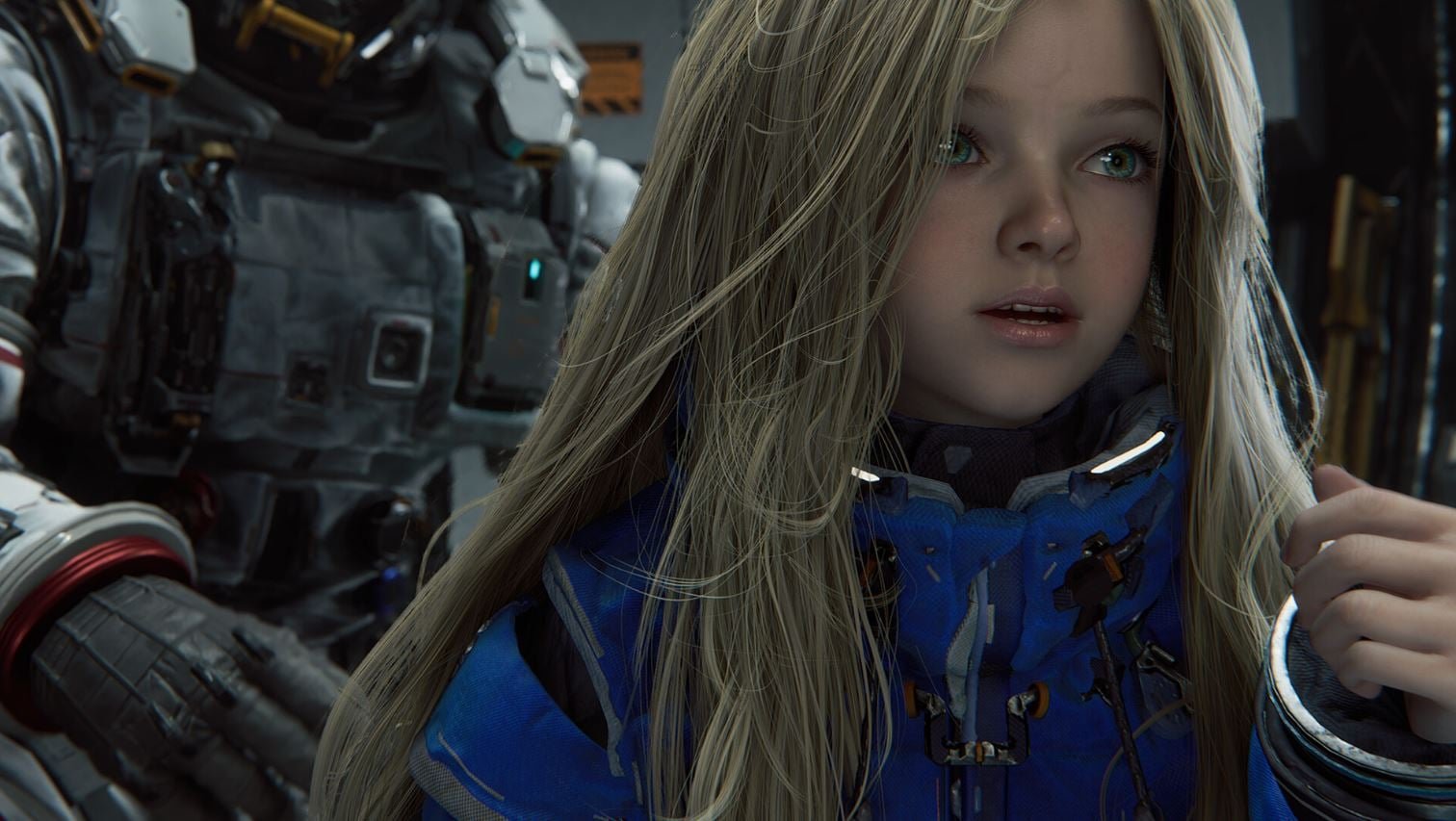
At Capcom’s Open Conference RE:2026 on October 2, Hiroyuki Chi, the senior manager and art director of Resident Evil 7: Biohazard, presented a talk titled Beyond Realism: RE ENGINE’s pursuit of the evolution and creation of photorealistic characters. According to GameBiz, Chi discussed the advancements in Capcom’s character creation and technical workflows, as well as how these are implemented using the company’s in-house RE ENGINE.
Notably, the developer revealed that Capcom has recently formed a special cross-functional team designed to bridge the gap between the RE ENGINE team and the development teams working on individual titles.
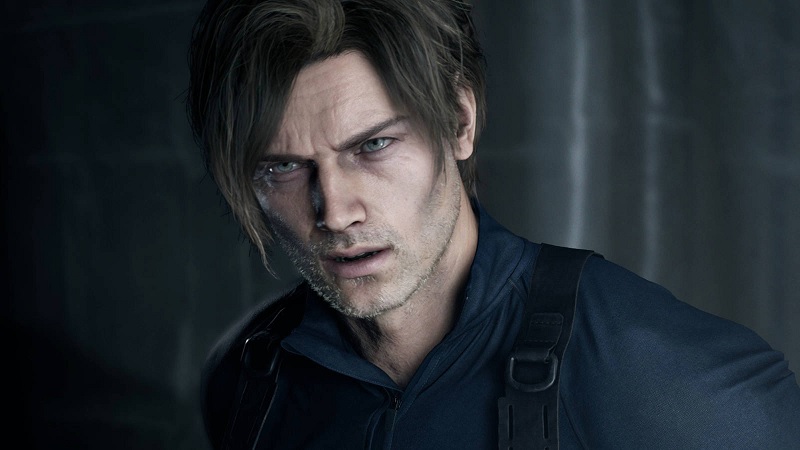
In the past, the engine team would develop new technologies, which artists would later apply to their respective game projects. However, this approach faced challenges, as exemplified by Capcom’s “hair strand” technology. Unlike traditional polygon rendering for hair, Capcom’s method renders each strand individually to achieve a lifelike appearance (such as how Diana’s hair is rendered in Pragmata). Because this technique differs so significantly from conventional character rendering, diagnosing issues became problematic—it was unclear whether bugs originated from the RE ENGINE or from how assets were created or configured.
As a result, Capcom restructured its development process by creating a cross-functional team focused on technical oversight and quality assurance across all titles. This new team consists of character artists, technical artists, and rendering engineers who test issues using actual characters. This allows developers to examine the full dataset of a problematic scene rather than relying solely on images. According to Chi, having artists and engineers collaborate on tests has significantly accelerated issue resolution. Moreover, as the team resolves problems and establishes new production methods, this knowledge is swiftly disseminated across all titles. Chi stressed that assigning cross-functional roles to the team is key to “raising the overall standard” of the studio.
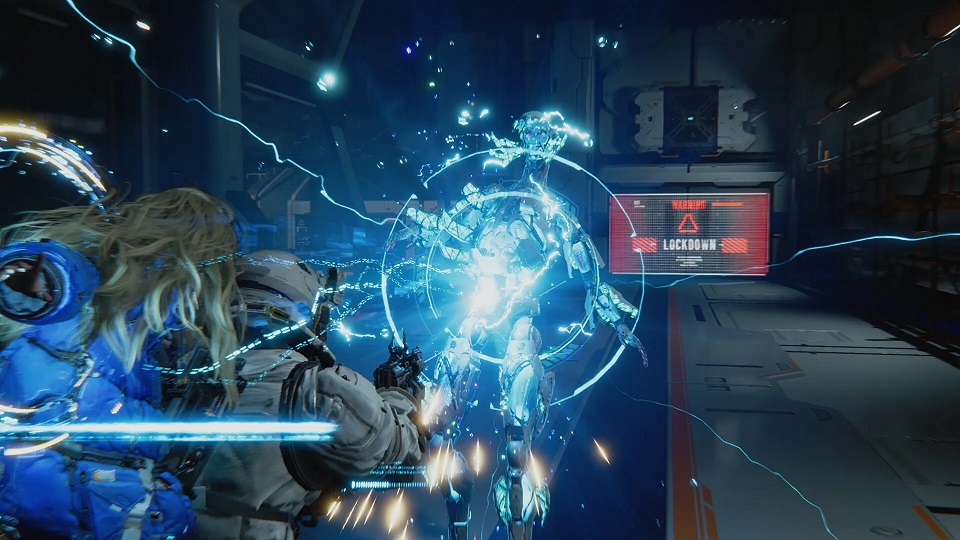
To enhance visual quality in Capcom’s games, the team employs what Chi calls a “focused approach.” They begin by selecting a specific character, such as Diana from Pragmata, to test whether a desired quality benchmark can be achieved regardless of cost. Next, they integrate those elements into the actual game while addressing processing load and other production challenges. Finally, the developed features and tools undergo a “standardization” process, enabling their easy implementation in other titles. By repeating this cycle, technologies developed for one title become engine features, giving future Capcom projects a technical advantage from the outset.
Related: