

Culture Otaku
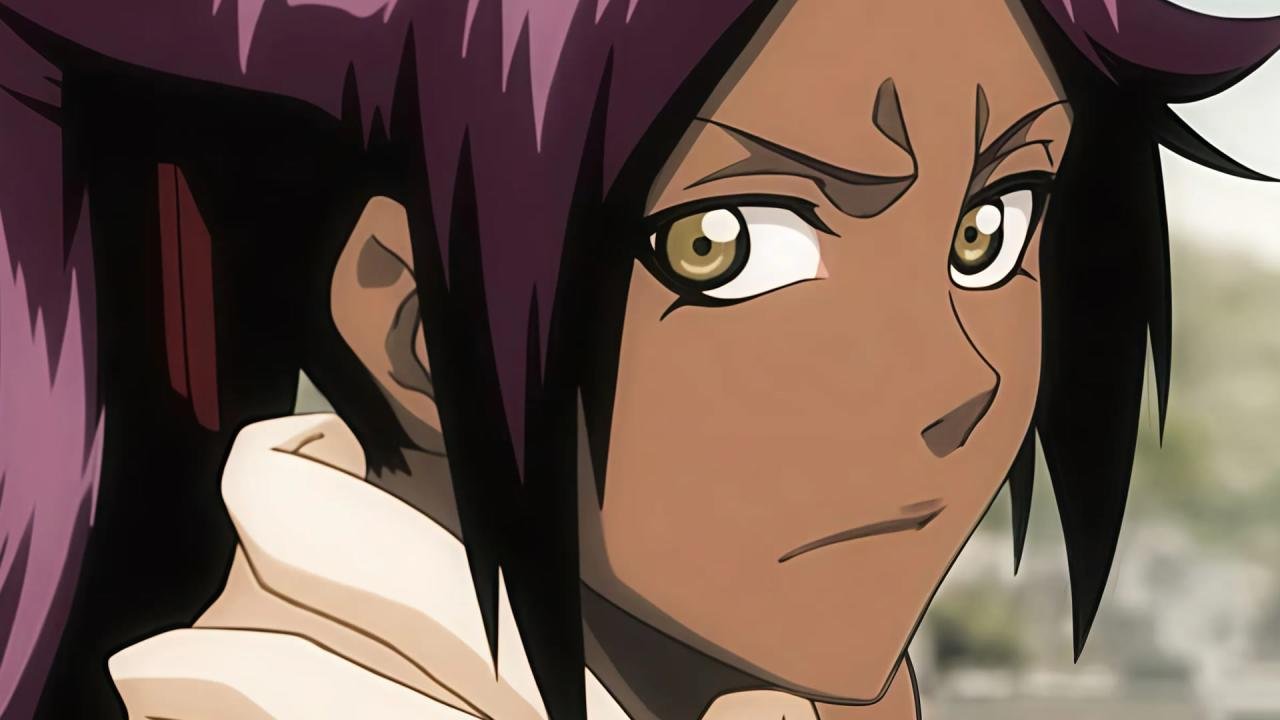
Why are there few black characters in anime and manga? A mangaka clarifies
Shoushou Kurihara revealed the editorial pressures he faced while illustrating his story.
The debate about representation and diversity in manga often sparks heated discussions on social media, but Japanese creators rarely dare to speak openly about it. Mangaka Shoushou Kurihara, known for his extensive work Uramiya Honpo, decided to be candid about the real reasons he prefers to avoid including black characters in his stories, pointing to the constant fear of protests and accusations of discrimination from human rights groups.
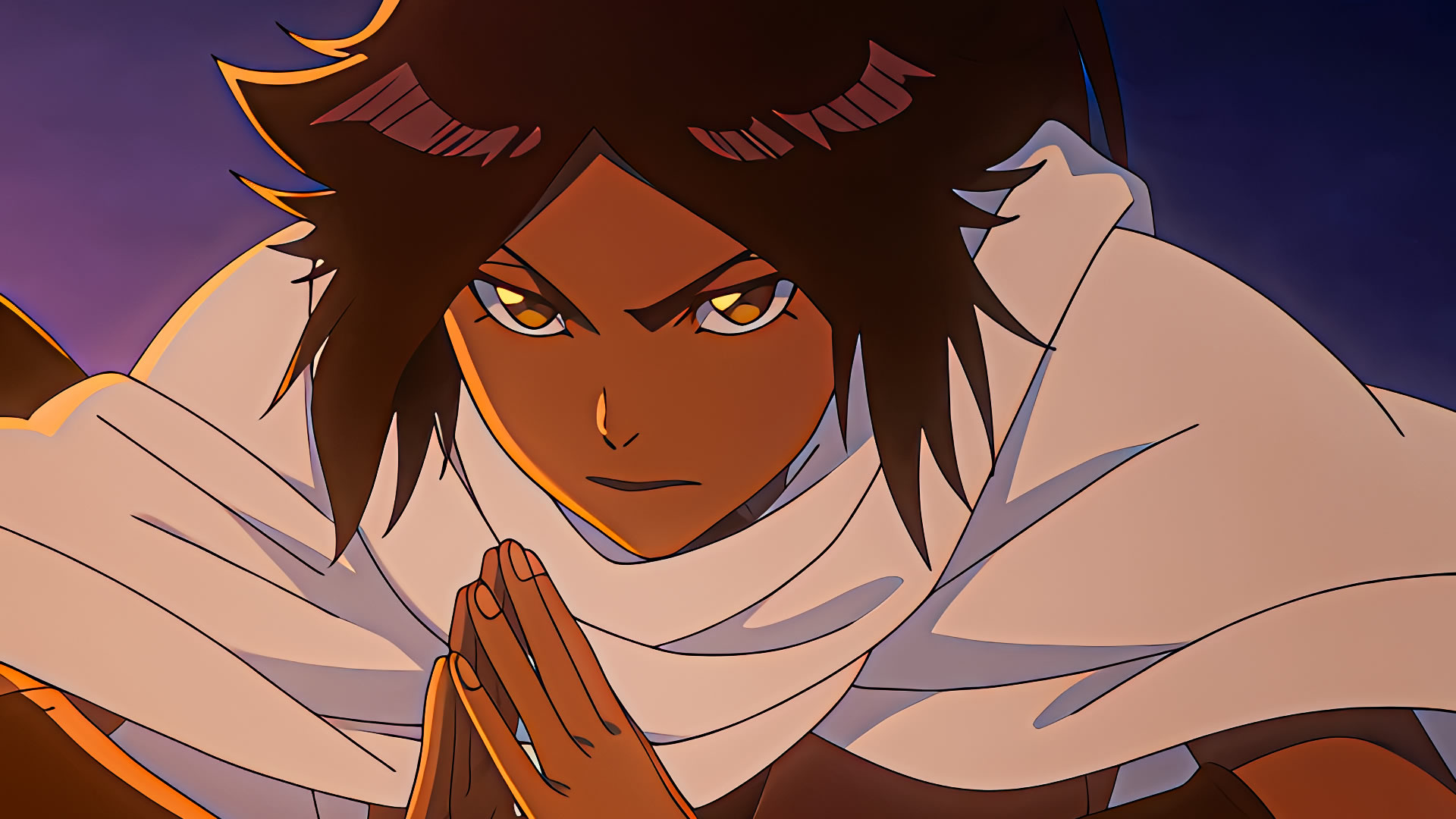
In a message shared on October 22, the author recalled a bitter experience in 2006 during the publication of the Okinawa arc in his main work. At that time, when the story was about to enter the final inking stage, he received a direct request to modify one of the plot’s villains. The original character was black, but he was demanded to change it to a white character, arguing that portraying a dark-skinned person as an antagonist or criminal could be interpreted as discriminatory.
Kurihara complied with the order to avoid editorial issues, but the situation left him deeply uneasy about what he considers a clear double standard. The artist questioned why portraying white villains never generates complaints or controversy, while other ethnic groups are under constant scrutiny. Following that uncomfortable incident, the author made the drastic decision to minimize the appearance of black characters in his manga, whether as heroes or villains, simply to avoid last-minute changes and unnecessary disputes, wondering what diversity truly means in modern entertainment consumption.
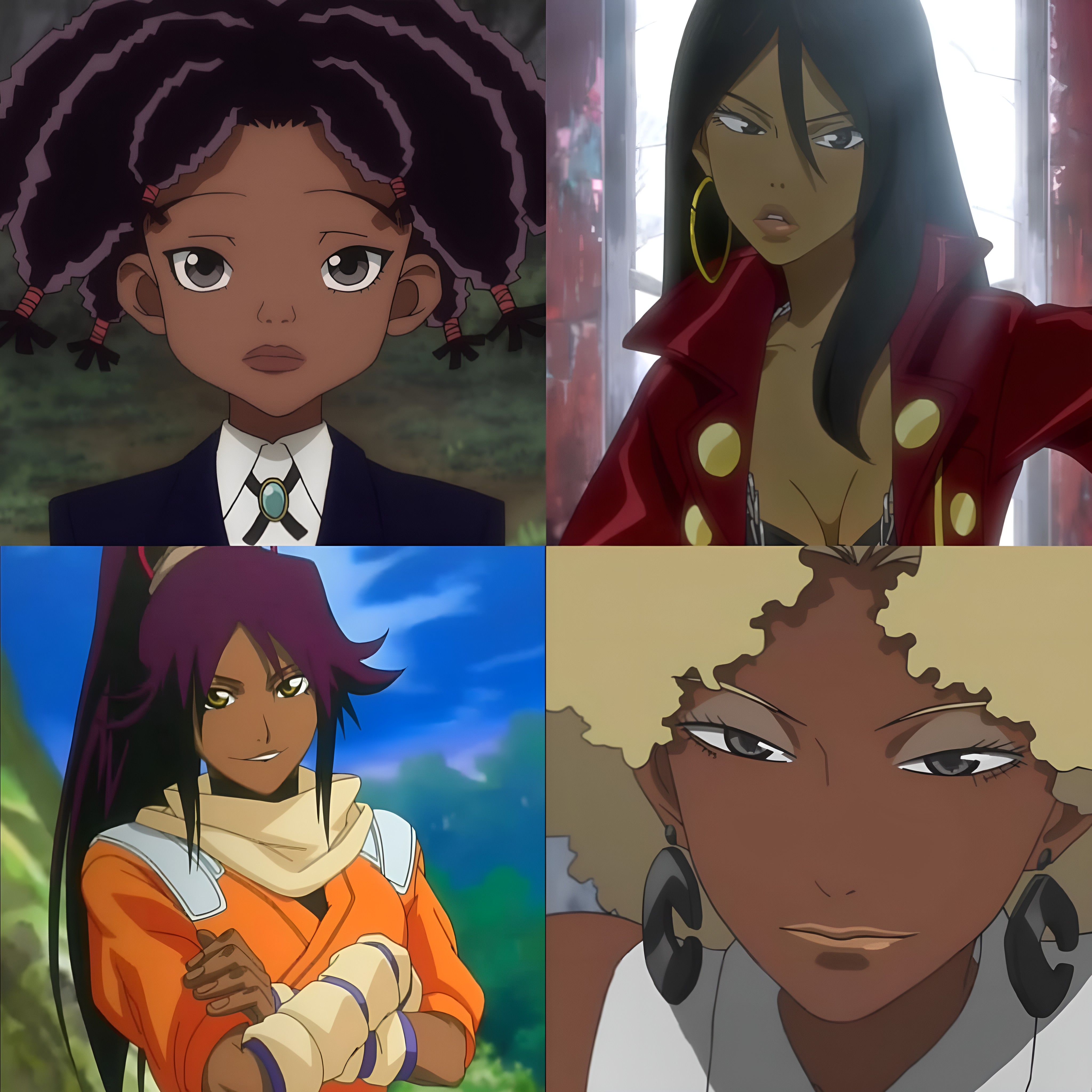
This kind of caution by Japanese publishers is not new. By the late 1980s, the Japanese publishing industry pulled the children’s book Chibikuro Sambo from the market after receiving harsh campaigns accusing the work and its illustrations of racism, despite having sold over a million copies since its release in 1953. This historical precedent caused many publishers to prefer self-censorship or direct avoidance rather than risking media scandals.
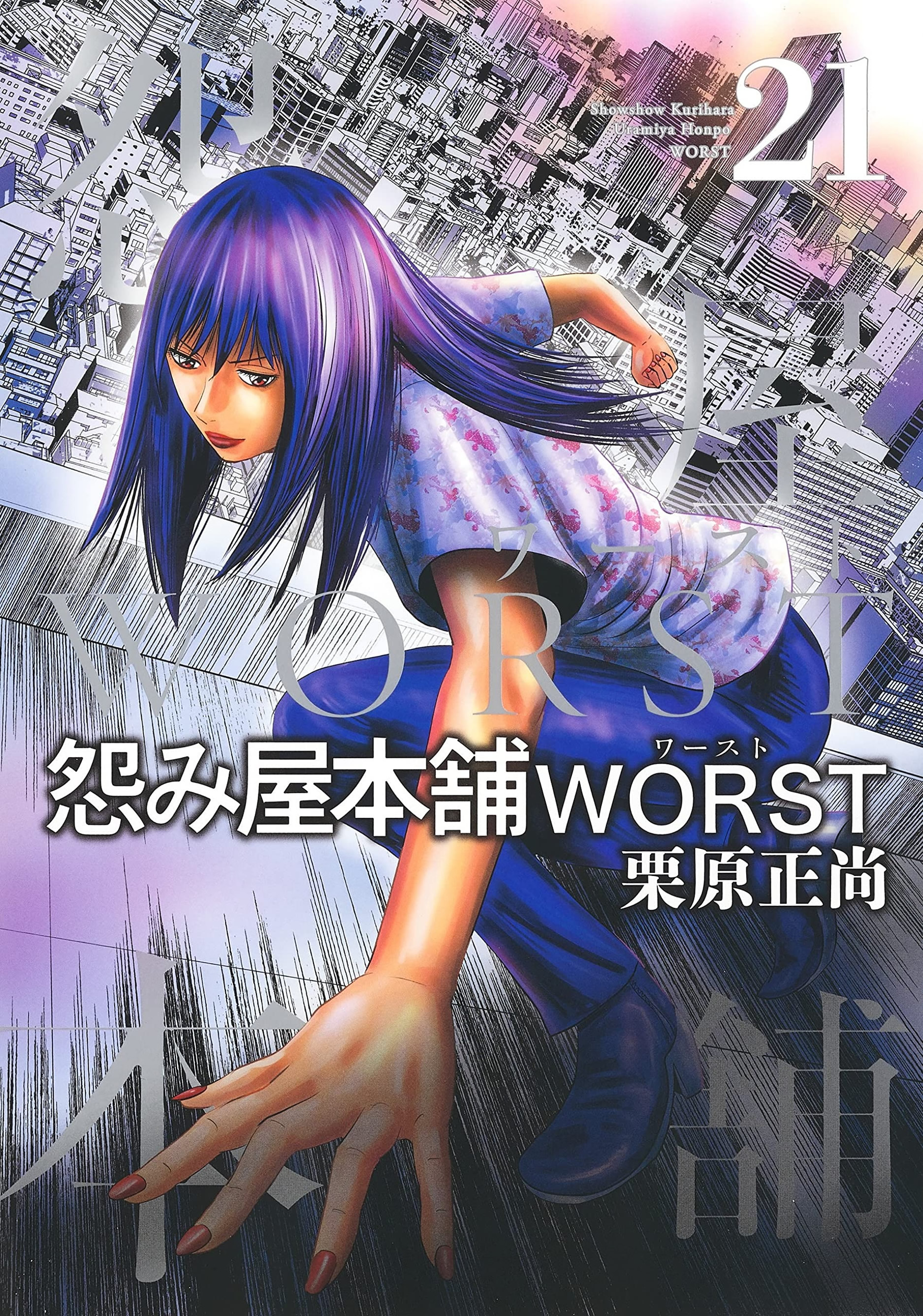
Uramiya Honpo is a long-running manga series written and illustrated by Shoushou Kurihara. The work began serialization in 2000 and has remained active for over two decades through multiple sequels and spin-offs. The plot follows a mysterious woman who runs an underground business dedicated to exacting revenge on behalf of clients who have suffered injustices ignored by the law.
What do you think about Shoushou Kurihara’s statements and the publishers’ stance on these issues?

The final battle of Kaiju No. 8 will be decided in cinemas with a movie
