






Manga
Is Translating Everything Obligatory? Manga Author Responds to Those Justifying Piracy
Yu Mashiro explained the high costs of localization and criticized poor translations.
Whenever a manga doesn’t receive an official translation shortly after its release, online voices justify piracy by claiming Japanese publishers ignore the international audience. However, Japanese manga producer Yu Mashiro decided to address the issue head-on, explaining why publishing a title worldwide isn’t as simple as pressing a button.
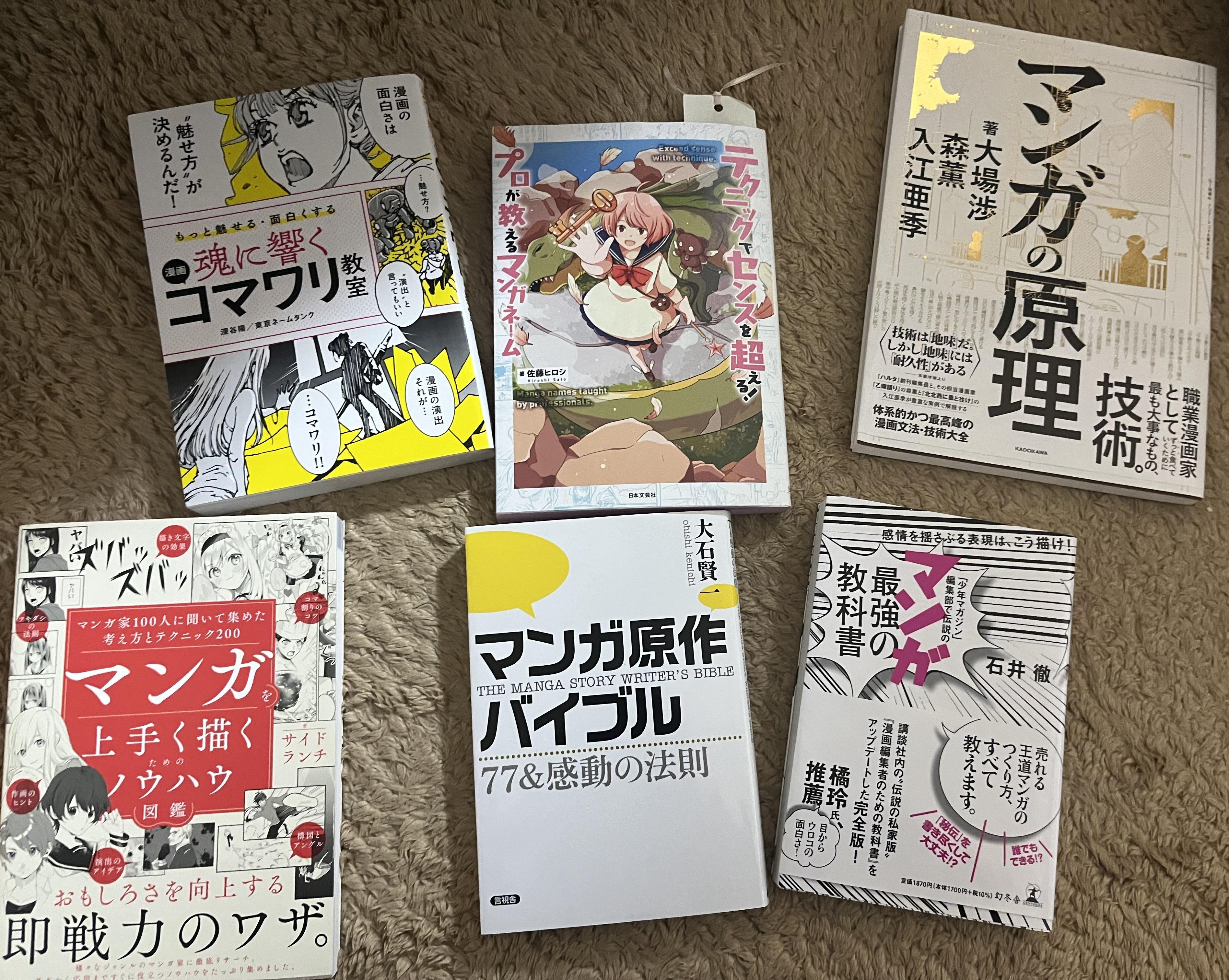
Mashiro noted that manga in Japan is still produced exclusively for the local audience. Domestic sales determine whether a story continues or gets canceled, making international interest a pleasant surprise but not the main business driver. For publishers, bringing a work to the West is a real financial risk, not an obligation to foreign readers.
Mashiro detailed that localizing a work goes far beyond translating text balloons. The process requires adapting cultural references difficult to grasp outside Japan, redrawing panels when format or reading direction demands it, and covering licensing costs that often aren’t recouped through foreign sales. If financial projections don’t guarantee acceptable profits, the investment isn’t approved.
The producer also criticized poor localization precedents in the English-speaking market. Citing examples like the drastic changes to Crayon Shin-chan when trying to Americanize its humor with Western pop culture jokes, or the alterations in the Gundam saga where sci-fi terms were invented not in the original material. He lamented cases where translators modify dialogue to insert personal views, straying from the author’s intent.
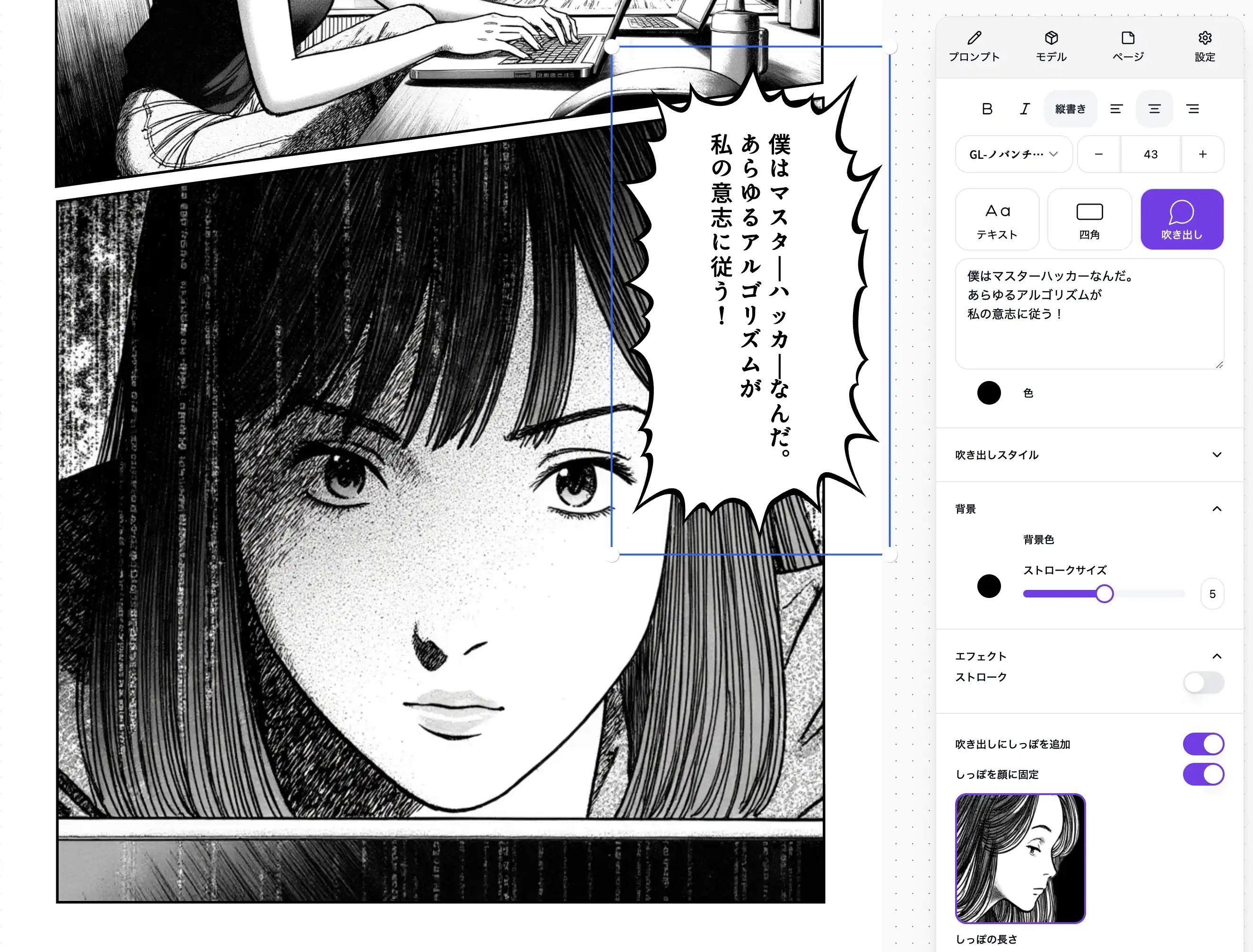
The manga industry in Japan operates under a model heavily focused on domestic consumption via magazines and collected volumes. While international consumption has grown, major publishing houses prioritize profitability in Japanese bookstores before committing resources to international licenses.
This dynamic means most stories published in Japan will never officially cross borders, remaining exclusive to the local audience unless they achieve massive success justifying export risks.
What do you think of Yu Mashiro’s statements and the reality of official translations?

The final battle of Kaiju No. 8 will be decided in cinemas with a movie
