

Anime
Why Do Anime Protagonists Look Alike? The Eromanga Sensei Creator Responds
Renowned designer Hiro Kanzaki, known for Oreimo, explains why romance anime protagonists have such boring designs

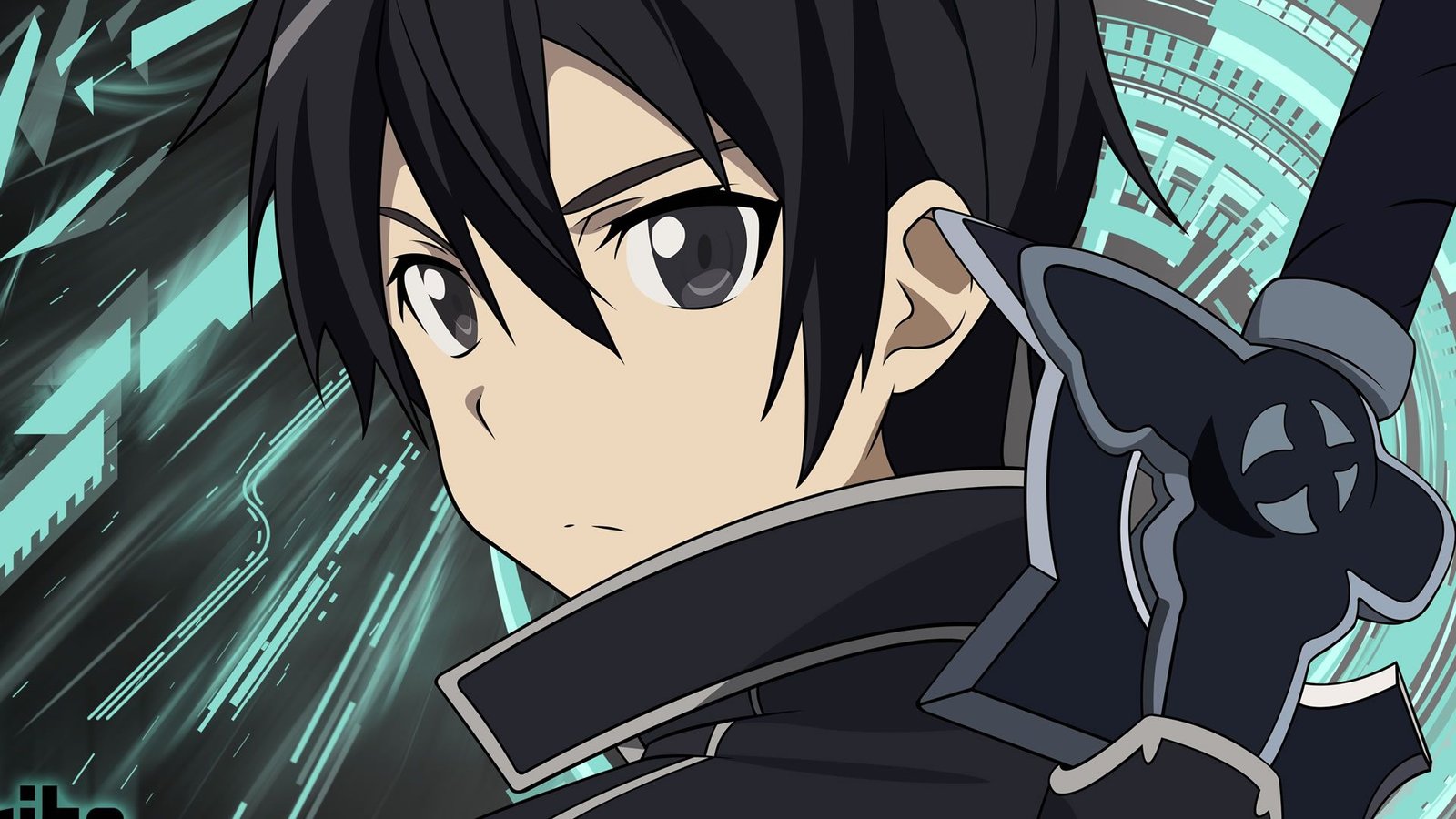
A common complaint among anime fans, especially in romance, fantasy, and comedy genres, is the repetitive design of male protagonists. Often, the main character is an ordinary-looking boy with black hair and a simple, generic hairstyle. To address this ongoing concern, Hiro Kanzaki, the acclaimed character designer for My Little Sister Can’t Be This Cute (Ore no Imouto ga Konna ni Kawaii Wake ga Nai) and Eromanga Sensei, has revealed the logic behind this artistic decision.
Making Heroines Shine and Enhancing Immersion
Kanzaki addressed the topic directly, explaining that in these types of stories, the main goal is to make the female heroines as attractive and eye-catching as possible, as they are the true selling point of the work. Therefore, the male protagonist is intentionally designed to stand out less, allowing the female characters to shine more on screen.

Beyond aesthetics, there’s a psychological and practical reason: the fewer unusual or striking features the protagonist has, the easier it is for the audience to identify with him and imagine themselves in his place. However, the artist clarified that, despite keeping simple designs, he personally works hard to give the male protagonist a genuine charm and personality, avoiding making him a hollow shell.
The “Character Perspective” and the Japanese Audience
The designer also revealed being influenced by an idea from veteran creator Akiman, known as the “character perspective.” This approach serves as a guide for designing, helping to balance how close or distant the viewer feels to each character in the story and directing attention to ensure key figures receive the most visual focus.
Finally, Kanzaki noted that while this basic design of a dark-haired boy may seem unimaginative or unusual to Western viewers, these series were originally created for the Japanese audience, where such an appearance feels natural, familiar, and relatable. Kanzaki’s statements have generated understanding in the otaku community, reminding them that behind every “generic protagonist” lies a carefully calculated commercial and narrative decision to make the final product a sales success.

Anime industry generates billions, but its animators starve
