




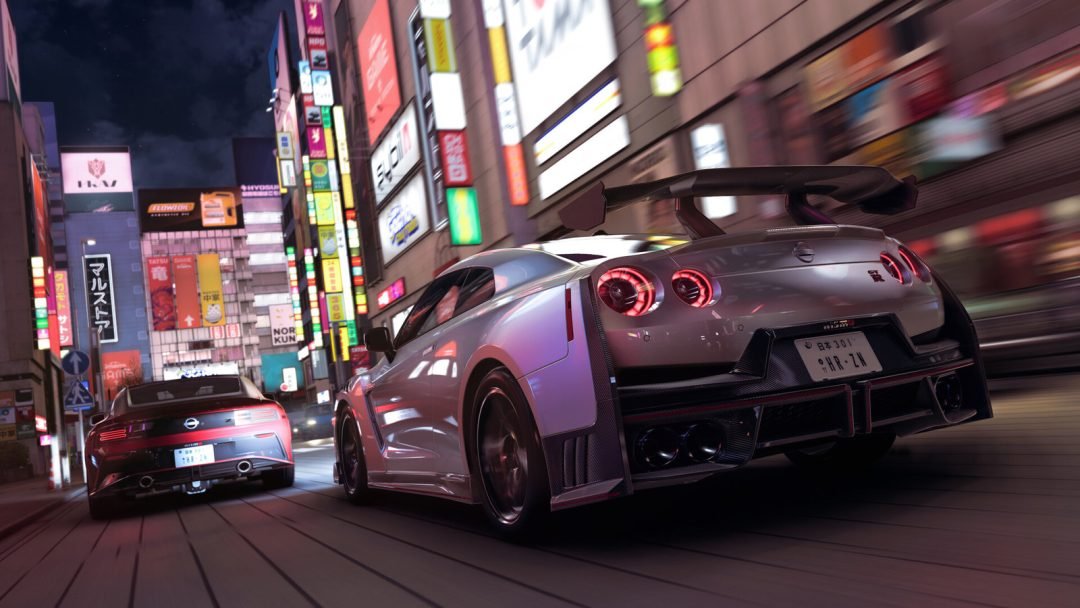
With Playground Games’ racing series making its debut in Japan, it’s no surprise that Forza Horizon 6 has captured the attention of gamers in the country. Even before its release, the game’s initial map reveal sparked excitement by featuring the renowned “holy sites” of street racing and Initial D, and now that the full game is available, local players are marveling at how authentically “Japanese” Forza Horizon 6 feels, down to minute details like the expansive parking lots of rural convenience stores.
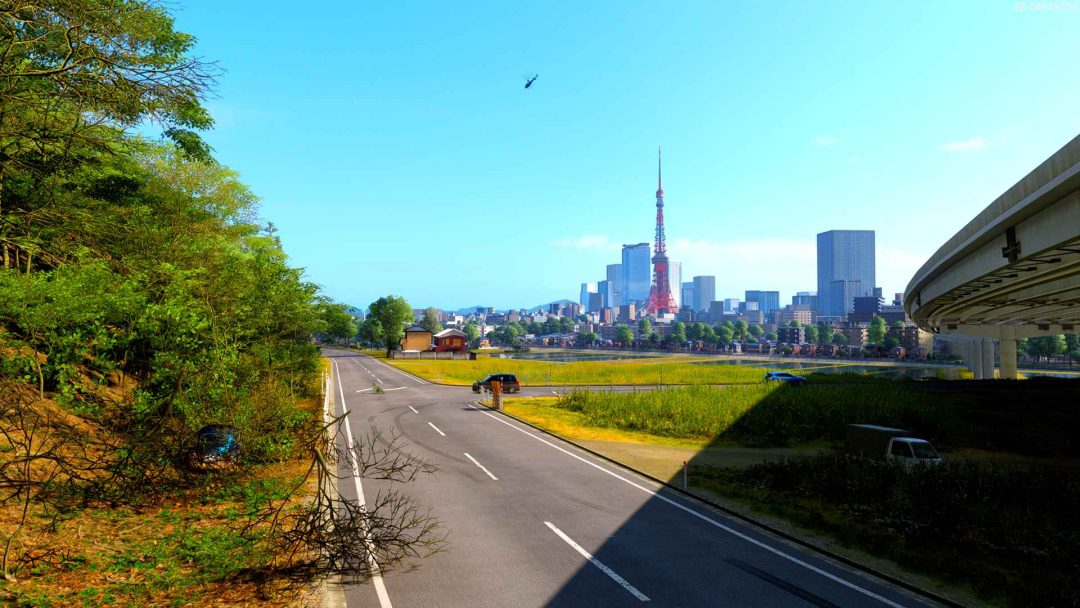
Notably, one such reaction comes from Keiichiro Toyama, the mind behind the Silent Hill and Siren series. After presumably dedicating considerable time to Forza Horizon 6 at home, the developer humorously remarked that stepping out into central Tokyo felt peculiar. “I was like woah, it’s Forza Horizon 6 in real life lol!”
On a more serious note, players have pointed out numerous subtle elements Playground Games managed to capture, making the game’s Japanese setting feel genuine. As one popular X post by Japanese architect Yuta Horie analyzed, the map appears to be composed of meticulously assembled “fragments” of visual language that people subconsciously recognize as Japan. Using Kevin Lynch’s urban design theory from “The Image of the City,” he explains that humans mentally construct cities from five types of environmental cues: paths, edges, districts, nodes, and landmarks; and according to Horie, Forza Horizon 6 succeeds because it adheres to this framework.
For example, the roads winding through Japan’s steep and jagged terrain create distinctly Japanese-style paths, and the railway overpasses, elevated expressways, and narrow fast-flowing rivers create a strong sense of “edges.” Additionally, Horie notes, “The carefully recreated urban areas, suburbs, and countryside props form recognizable districts, and at intersections in cities, features like chamfered corner buildings packed with small businesses and pedestrian overpasses create nodes, while in rural areas wide bypass roads branch into narrow private roads and farm paths, forming another kind of node structure.” To cap it off, the map includes numerous iconic Japanese landmarks like Mount Fuji and Tokyo Tower, and Horie believes the combined effect of these elements is why Japanese Forza Horizon 6 players find the game’s scenery so “familiar.” The architect considers this to be a testament to Playground Games’ deep appreciation for Japanese culture, expressing admiration for their efforts.
Other players echoed similar feelings, as another popular post emphasizes, “Forza Horizon 6’s grasp of Japan is so advanced I’m almost freaked out. I’m from the countryside, where rice paddies stretch as far as the eye can see, so I can’t really judge how well Tokyo is recreated, but the rural areas are spot-on. From the pastoral landscapes to roads that suddenly switch from paved to unpaved, and the retaining walls along mountain passes, it all looks so familiar, as if it were my own hometown.” Below are several other reactions and highlights from Japanese players, in case you’re curious:
Forza Horizon 6 is out now for PC (Steam/Microsoft Store) and Xbox Series X|S. It’s also available via Xbox Game Pass, and a PS5 version is planned for the latter half of 2026.