

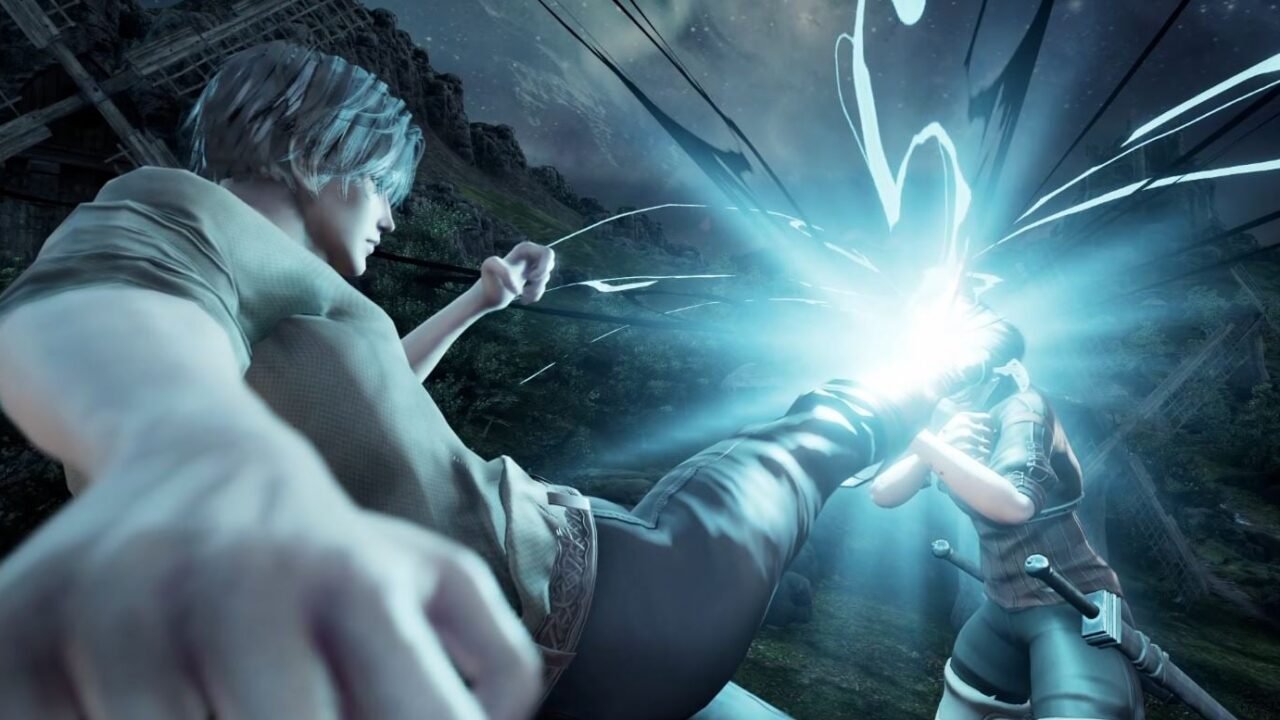




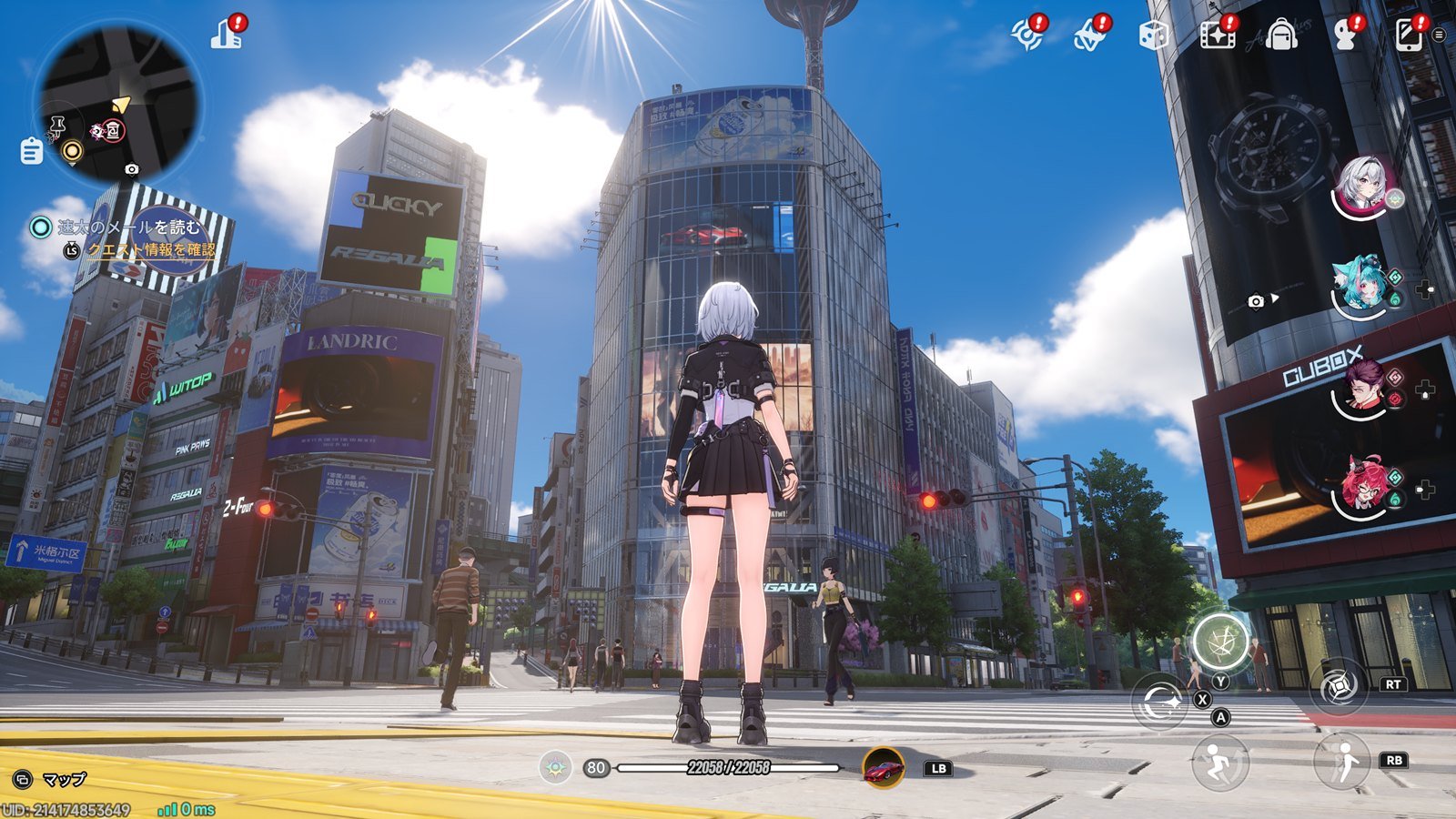
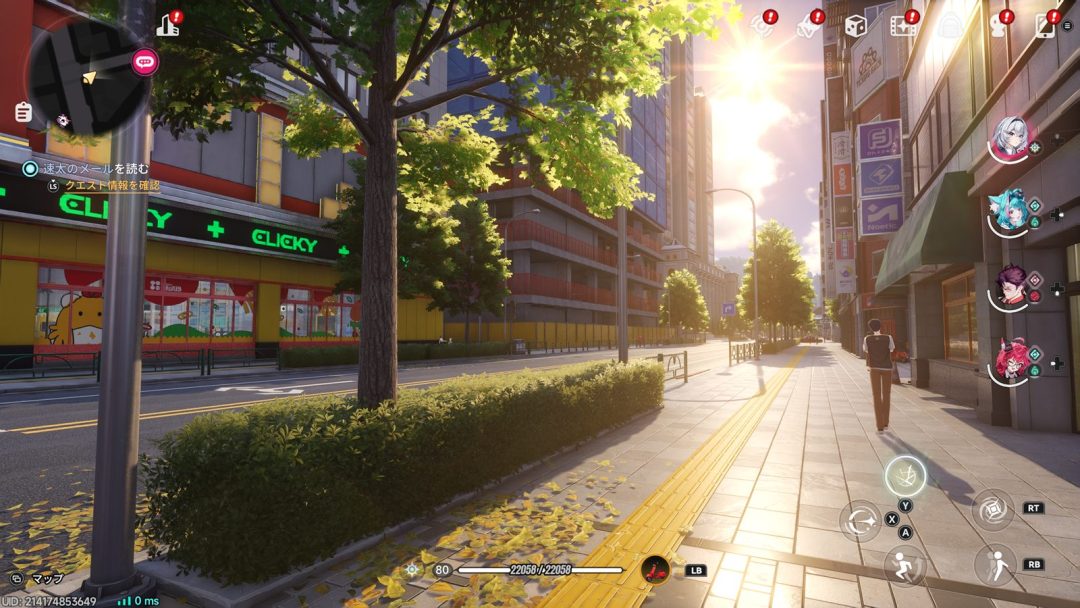
Created by Hotta Studio in collaboration with Perfect World Games, the urban open-world anime RPG Neverness to Everness (NTE) launched worldwide on April 29, swiftly gaining popularity among Japanese gamers. Japan not only represents a significant portion of NTE’s revenue, alongside the US, but its distinctly Japanese and otaku-focused content has fueled its viral success on social media. Players have been captivated by the game’s meticulous recreations of real-world locations such as Akihabara and Shibuya, as well as its nods to iconic anime settings.
As a result, many Japanese users have been surprised to learn that such a polished game, deeply rooted in anime culture, was developed by a Chinese studio, especially since a project of comparable scope remains unrealized domestically. The conversation has expanded to include Japanese game developers, who have pondered the question, “Why can’t Japan produce a game like NTE?”
Alwei, the representative of Indie-Us Games—a Japanese firm specializing in Unreal Engine development—has drawn attention within the gaming community for a series of posts analyzing NTE’s technical merits and why it might be out of reach for Japanese developers.
“Anyone in Japan’s game industry who has actually played NTE will likely grasp what I’m saying, but the level of detail and refinement in this game is extraordinary. I ascended to the highest point in Hethereau and captured comparison images on both the PC and iOS versions, and both ran seamlessly without any lag. If you recognize what that signifies, it’s honestly a bit unnerving,” he remarked. He further elaborated that since NTE’s urban environment is dynamic rather than static—a “living city” where elements move in real time—the volume of content and the degree of optimization required are staggering from a developer’s standpoint.
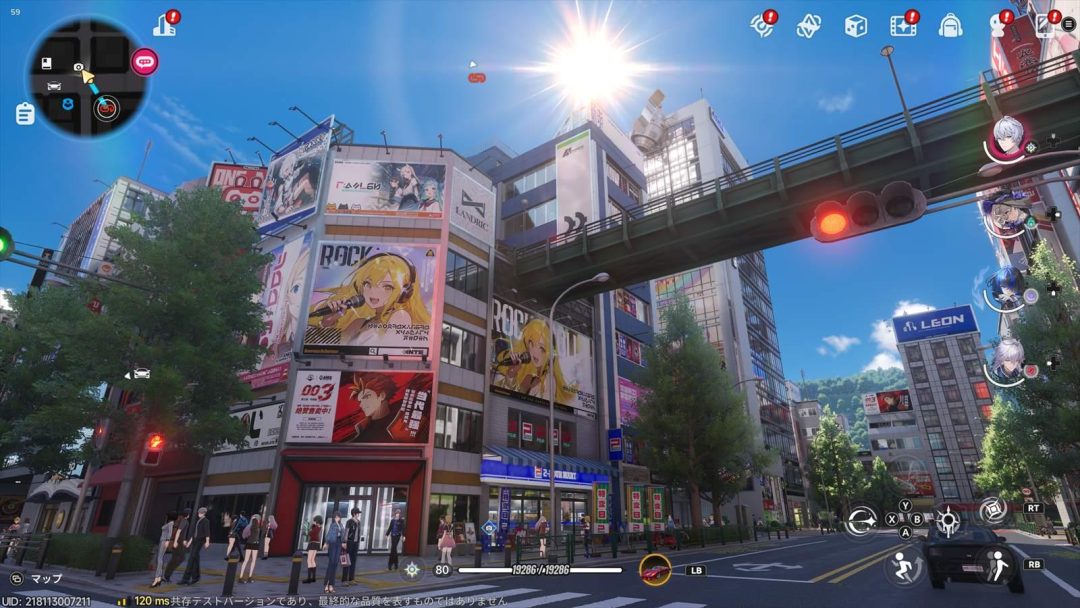
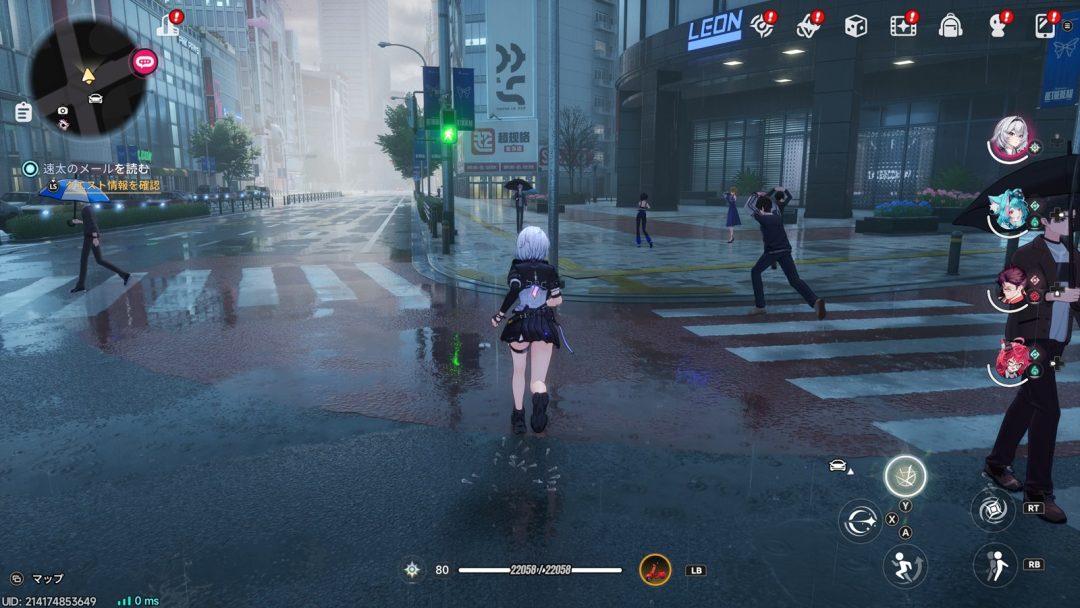
“If you asked me whether we could replicate this in Japan, I would say it’s not feasible. You’d require highly specialized engineers across all disciplines, gifted artists, and the capacity to manage an immense volume of content, all on a massive scale. Moreover, with stricter labor and overtime laws in Japan, we simply lack the time. That’s the challenge of game development here,” Alwei added.
The scarcity of skilled professionals in Japan has been a recurring theme in such discussions, particularly since the release of Genshin Impact, especially concerning animation, which plays a significant role in the high visual quality of Chinese games. Japanese game producer Ukyo pointed out in a blog post responding to the NTE discourse that there is also a “discrepancy in management decisions” regarding how much domestic companies are willing to invest in development aspects like animation.
“I was personally astonished when working with a leading Chinese studio to learn that, for a single title, as many as 200 people were consistently involved solely in character-related tasks, encompassing character creation, motion design, and animation. This was not exclusive to China, as top-tier titles in South Korea operated on a similar scale. Conversely, in Japanese game development, I believe that budget proposals for expanding animation (motion) resources are among the hardest to secure, and I also sense that hiring for these positions is exceptionally difficult,” Ukyo stated.
While cautioning that these observations stem from their own industry experiences, Ukyo concluded that, “This overwhelming disparity in manpower and difference in corporate financial resources are likely the decisive factors behind the current gap in game development capabilities between Japan and China.”
Other industry figures echoed similar sentiments, such as Sean Noguchi, GM of EA Japan, who recalled that a Japanese company recently inquired whether a “Japanese version of GTA” could be produced with a budget of 500 million yen (approximately $3.16 million USD). He noted that the question left him nearly falling out of his chair laughing, as developing a GTA-scale game would require at least 20 billion yen. This underscores the challenges Japanese game companies face in committing the necessary budget and development time for a truly large-scale project.
While some may question why Japan feels compelled to compete, especially given its enduring global acclaim in game design and history of major successes, titles like NTE are clearly reshaping domestic gamers’ expectations, particularly in the live-service genre, exerting pressure on developers. As Indie-Us Games’ Alwei put it, “It’s not that I’m trying to ‘outdo’ them, but I find myself increasingly thinking that game development has become more challenging in meeting expectations. So I often wonder, surely there must be a Japanese approach to this?”