
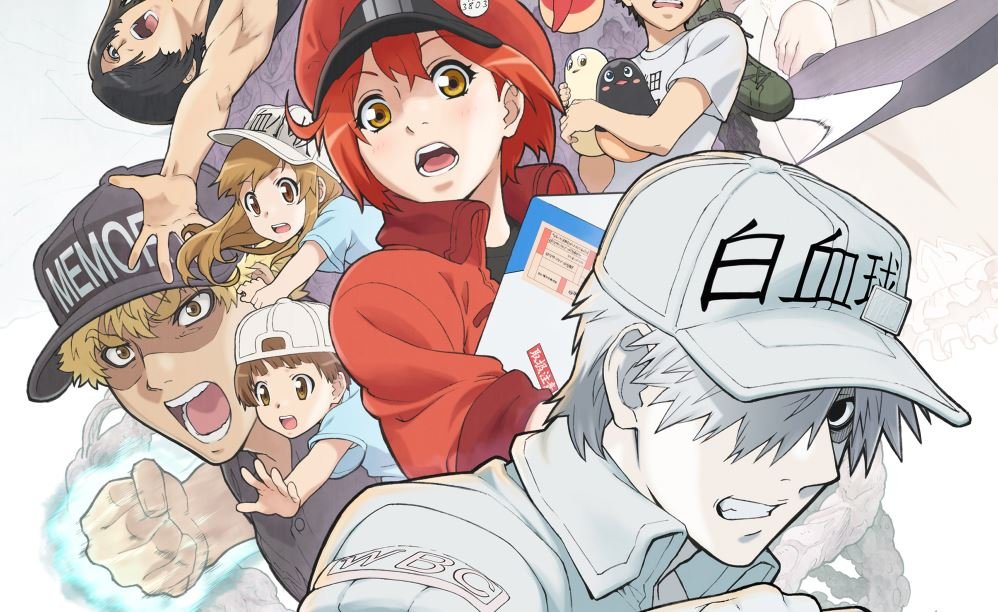
Cells at Work! creator Akane Shimizu’s recent allegations against her editorial department and a subsequent apology from Kodansha have prompted numerous fellow manga creators to share their own accounts of conflict and hardship involving editorial staff, highlighting the challenging working conditions faced by professional mangaka in the industry (as reported by Sponichi Anex).
To provide some context, beginning July 1, Shimizu made a series of X posts detailing the power harassment and mismanagement she endured at Kodansha during the serialization of the Cells at Work! manga. She claimed that despite assurances to secure professional supervision for the story’s medical aspects, her editor and publishing team failed to follow through and repeatedly disregarded her requests. Consequently, Shimizu faced harsh criticism from readers for “not doing her homework” as an author for every error that went uncorrected. With multiple subsequent pleas for supervision dismissed and met with insulting remarks from her assigned editor, Shimizu had to rely on reference books she purchased out of her own pocket.
Furthermore, she alleged that Kodansha failed to provide her with professional-level manga assistants (typically standard for published authors) who could assist her with backgrounds and other elements of manga production. This increased her workload and forced her to pull all-nighters to meet deadlines. Requests to improve these conditions were allegedly met with abusive comments from her editor, suggesting Shimizu was “always blaming others.” These issues persisted even after Shimizu returned from a hiatus (which, she noted, her editors wrongly attributed to her “running out of ideas”), ultimately leading her to conclude the manga.
These circumstances, combined with financial and sexual abuse she endured from her family, caused Shimizu to develop depression, trichotillomania, and PTSD during the manga’s publication period, and eventually struggle with suicidal thoughts.
Even after Cells at Work concluded, Shimizu noted that Kodansha altered how she was credited in subsequent spin-off works in 2023 and 2026 (e.g., changing her from “original author” to “collaborator,” or even omitting her name entirely).
These revelations sparked significant backlash from Shimizu’s fans and industry colleagues, prompting Kodansha to respond. On July 3, the publisher issued a public apology to the author, acknowledging that they had failed to provide her with professional supervision and assistants, as well as the fact that they did not adequately consult with Shimizu regarding her credits on certain spin-off titles.
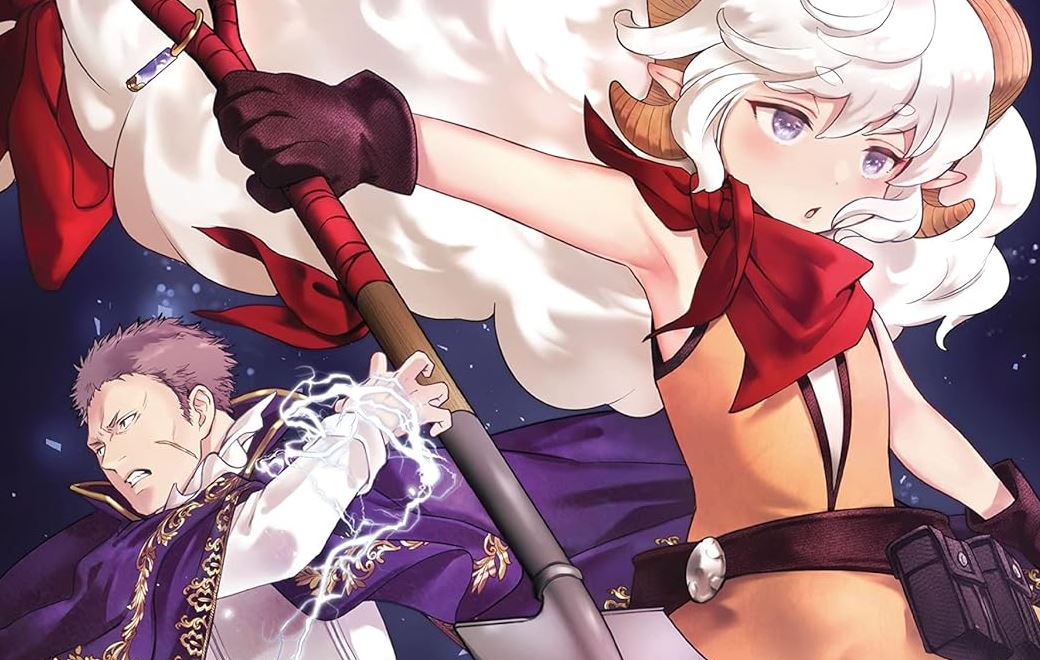
In the meantime, other artists have come forward with their own experiences. Following Shimizu’s allegations, Kayatamaru, the mangaka behind The Girl, the Shovel, and the Evil Eye, revealed that they had, at one point, not received royalties from overseas sales of their e-books for over a year, with no apology from their editorial department. Additionally, their editors allegedly ignored their concerns about deteriorating health, which later led to a mandatory six-month hiatus after Kayatamaru’s weight dropped to life-threatening levels. The author continues to take medication to this day.
Izuko Fujiya, known for the Slime Slayer: From Zero to Black Steel King manga, addressed for the first time why her Monthly Shonen Sirius series Sayonara no Parade was left unfinished. Posting on X, she explained that various disputes with her editorial department between 2016 and 2019 made it impossible for her to continue the series, both mentally and due to the work environment. She expressed hope that Shimizu’s story will help lead to improvements in how mangaka are treated by publishers.
Manga artist Q-ta Minami also indirectly referenced mistreatment at Kodansha, writing in response to Shimizu, “I used to accept that I was treated this way because I wasn’t a bestseller and that it was just how things were. But if even Shimizu continued to be treated so poorly by her editor after achieving such success, then there really is no hope. The fact that she’s still alive and continuing to create manga is a miracle.”
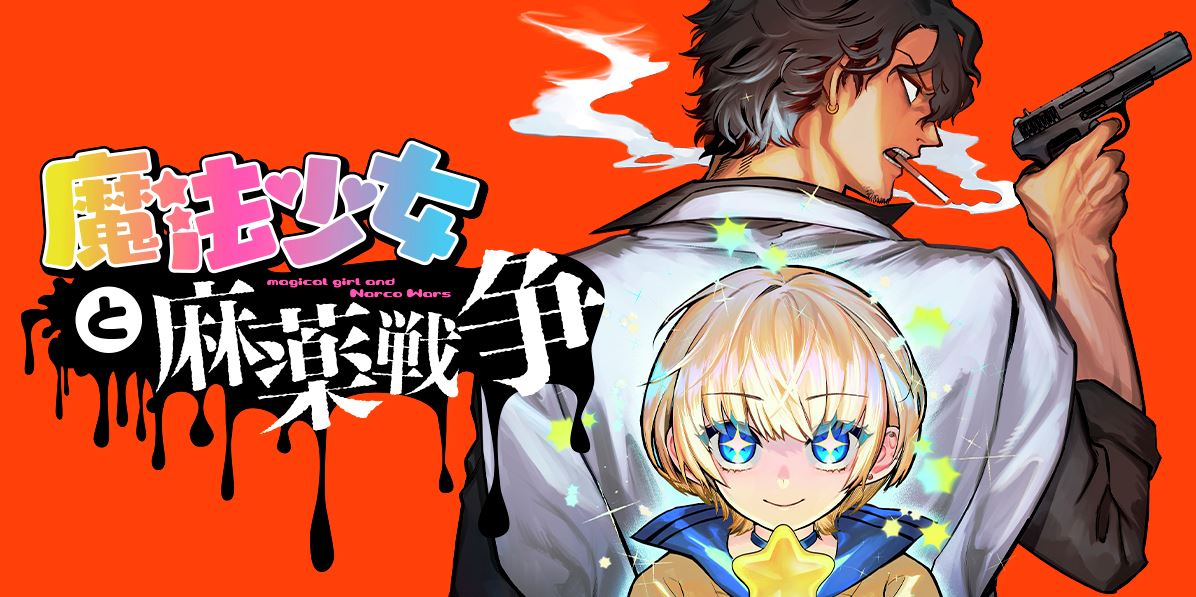
Additionally, Meiji Merou, the author of Jump+’s Magical Girl and Narco Wars, revealed they had been repeatedly told by past editors that they were inferior to other artists and would “end up a loser,” commenting, “there was a tendency back then to try to force artists into a mold and emotionally corner them.”
While Akane Shimizu is currently in discussions with Kodansha regarding past conflicts and has resolved the issues regarding credits on spin-off titles based on her work, the extent of the mismanagement she described—and the fact that she is far from the only one to experience it—is concerning. Hopefully, now that manga authors are more freely sharing their experiences publicly, publishers will feel increased pressure to improve working conditions.