



Netflix content acquisition director Yuji Yamano recently spoke with Japanese outlet Anime! Anime! about the company’s evolving strategy for anime production and distribution. This discussion comes as Netflix forms a strategic alliance with Chainsaw Man anime studio MAPPA and fully embraces anime-related media mix tactics, including merchandising and theatrical releases.
Responding to Anime! Anime!’s inquiry, Yamano confirmed that Netflix is adopting a more adaptable stance on anime rights and production in Japan, shifting away from exclusive licensing models toward a more collaborative partnership approach.
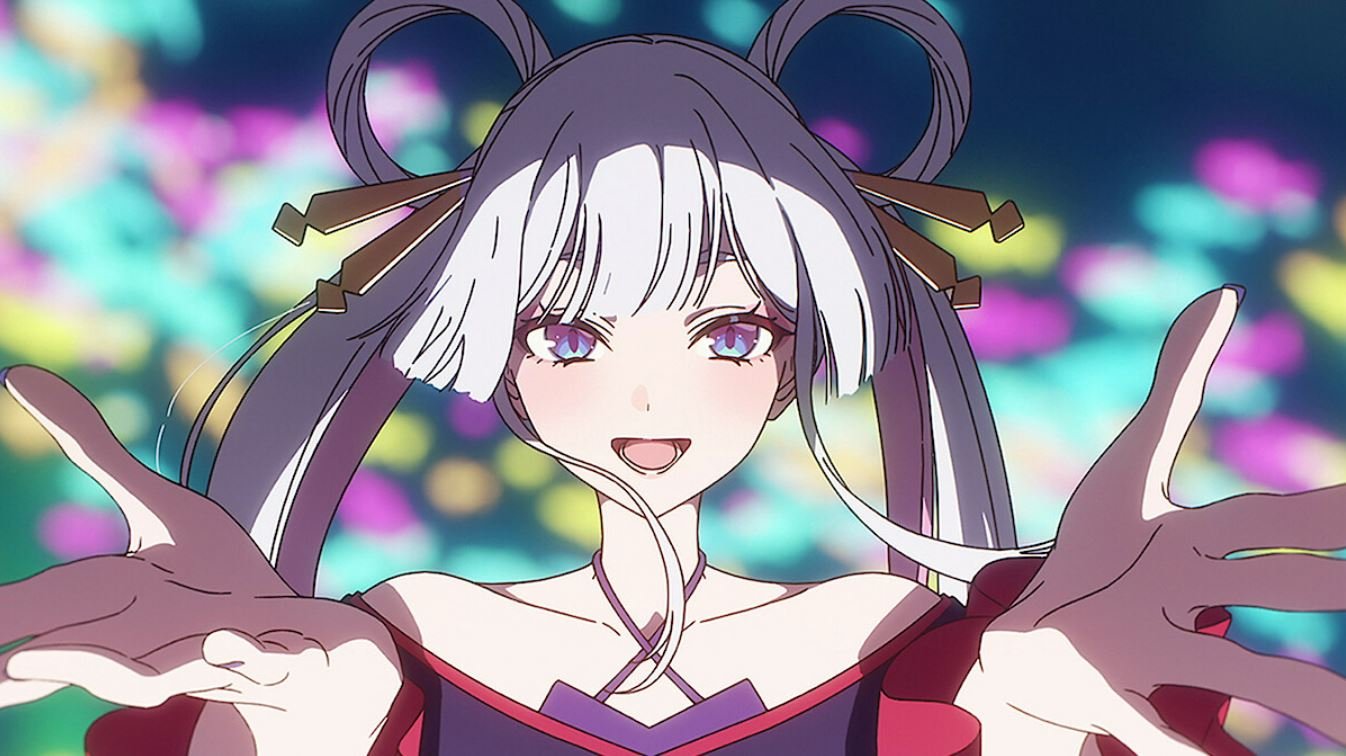
Historically, Netflix frequently secured all-encompassing rights to titles—a practice still common in international markets—but Yamano noted that the company’s Japan division has operated differently, securing fewer titles under full exclusivity. He cited the popular anime film Cosmic Princess Kaguya! as an example, which enjoyed a successful theatrical run following its Netflix digital debut, demonstrating strong performance across both platforms.
This shift aligns with Netflix’s perspective that anime’s potential extends beyond the core content itself. As Yamano explained, “Anime isn’t just a standalone work; media mix is also crucial. While it might be quicker for us to handle everything ourselves and pass the benefits to creators, we’ve determined that partnering with media mix specialists to expand the franchise—rather than holding all rights—is one effective way to grow anime.”

Consequently, Netflix is increasingly working with partners and consultants skilled in these areas, such as firms specializing in theatrical distribution and franchise development. At the same time, the company is also intensifying its involvement in the production process itself, according to Yamano. “Previously, it was more about acquiring finished products, but now we’re engaging from the production stage, discussing how to expand the franchise,” he said.
While Netflix does not officially participate in Japan’s traditional production committee system—where publishers, broadcasters, and other stakeholders form project-based alliances to fund anime—Yamano pointed out that the company often operates similarly with partners. “It’s not a formal production committee, but we collaborate in a committee-like structure,” he added.
Yamano stressed that “Japanese anime leads in building fandoms and media mix strategies, and we believe close collaboration with creators yields better business outcomes.” Despite growing competition for anime titles, Netflix maintains a deliberate approach to its projects. “I believe the appeal of anime heavily relies on creators’ passion for their work, so it’s vital that they want to partner with us,” Yamano concluded.