

Anime
Shiro Sagisu reveals secrets behind the Neon Genesis Evangelion soundtrack
The legendary composer detailed his creative process and the origin of iconic musical choices in the franchise.

Following the recent conclusion of the concert film Back to Neon Genesis in Osaka, legendary composer Shiro Sagisu gave an intimate interview to writer and musician Seiji Nakazawa. During the conversation, the veteran artist—responsible for soundtracks of works like Bleach, Berserk, and Shin Godzilla throughout his nearly 50-year career—revealed unprecedented details about the musical creation behind the iconic Neon Genesis Evangelion franchise.
A Baroque surprise for “Komm, Susser Tod”
One of the highlights of the concert dedicated to the 1995 TV series was the performance of a Baroque-style arrangement for “Komm, Susser Tod”. Sagisu confirmed this was the first time in history he presented this version publicly. The composer explained that insert songs rarely receive new arrangements, but due to the immense global popularity of this piece, he had the opportunity to add playful touches.

As an event focused exclusively on the 1995 original series, Sagisu admitted that including a theme from the 1997 film was a deliberate tactic to catch attendees off guard. “The most rewarding part of modifying a song arrangement is when it makes people talk about it”, the musician confessed to the interviewer’s surprise at the drastic change in pace.
Hideaki Anno’s classical vision
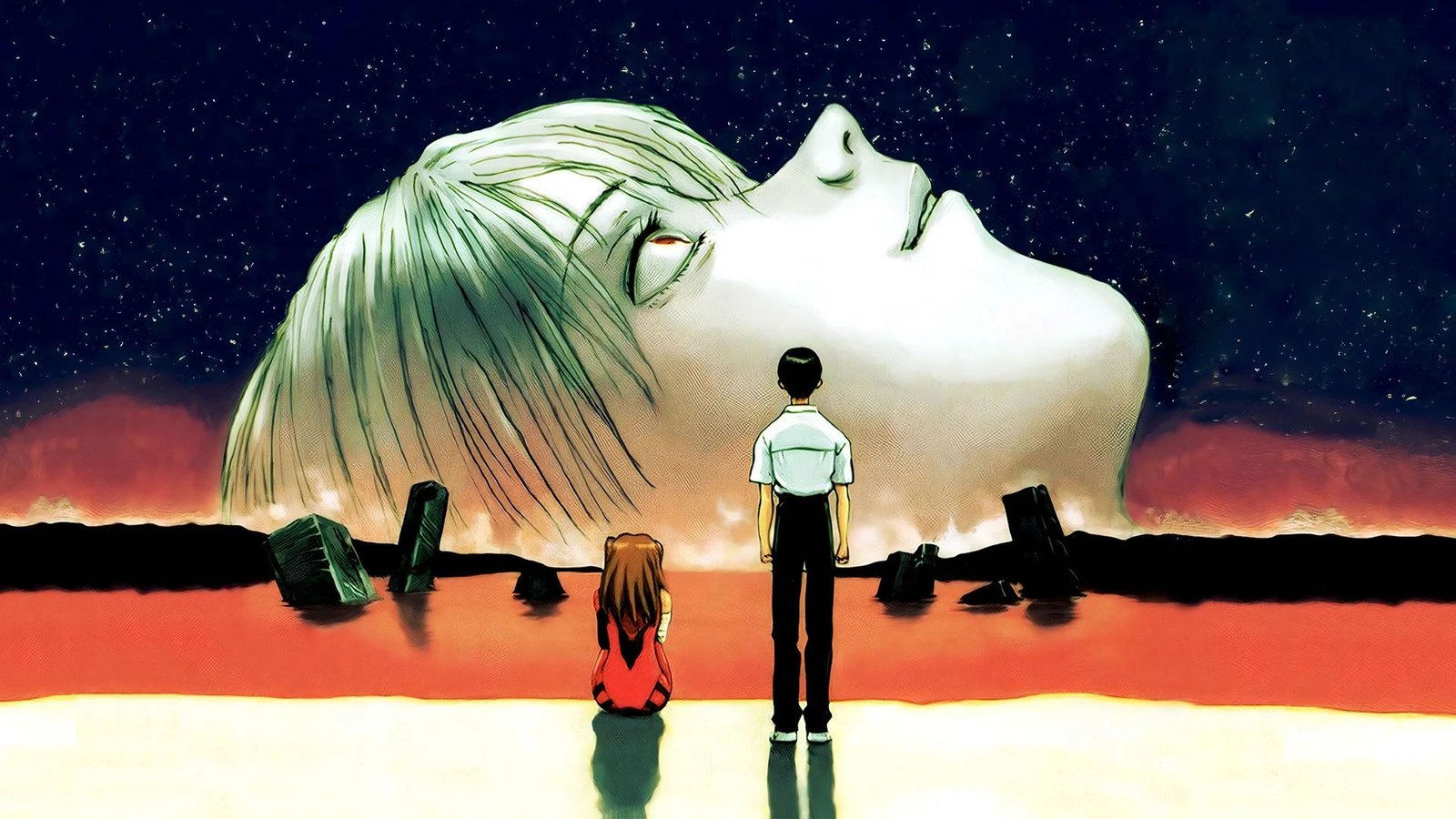
The discussion addressed one of the franchise’s most memorable musical contrasts: the brutal and desperate fight of Asuka against the Mass Production Evangelions in The End of Evangelion, accompanied by the gentle melody of Bach’s Air. When questioned about this decision, Sagisu firmly clarified that the choice wasn’t his.

The use of Bach’s piece, as well as the inclusion of Beethoven’s Ninth Symphony in the TV series, were decisions made directly by creator and director Hideaki Anno. Sagisu praised this perspective, agreeing that these were extremely bold directorial choices that intensified the feeling of desperation in the narrative.
The compositional process and a personal touch
When exploring the method behind catchy melodies like “Thanatos” or “Asuka Strikes”, Sagisu explained that his process isn’t sequential. When composing music for a visual work, the melody, accompaniment, and rhythm emerge simultaneously within him, and he transfers them to the scores in that combined form.
The interview concluded with a warm exchange between colleagues. Sagisu, who personally requested Nakazawa for the interview as a fan of his articles, listened to a demo tape from the reporter’s band. The composer praised his guitar skills, comparing his sound to that of his friend Mike Wyzgowski (the English lyricist for Evangelion), demonstrating the continued inspiration and camaraderie the music of this historic franchise inspires today.