




At the Busan Indie Connect Festival 2026 in South Korea, from August 14 to 16, former PlayStation executive Shuhei Yoshida delivered a lecture to indie game developers, sharing insights on selecting a publisher and effectively pitching their games (as reported by 4Gamer). During his presentation, Yoshida also recounted experiences from his advisory role with publishers, including Kepler Interactive, the publisher of Clair Obscur: Expedition 33.
When questioned about how much game publishers focus on chasing trends, Yoshida explained that it varies depending on whether a publisher acquires nearly finished games or develops projects from the ground up over several years. Publishers acquiring near-complete games tend to be more trend-conscious, whereas those building projects from scratch are less so, as current trends are likely to be outdated by the time of release.
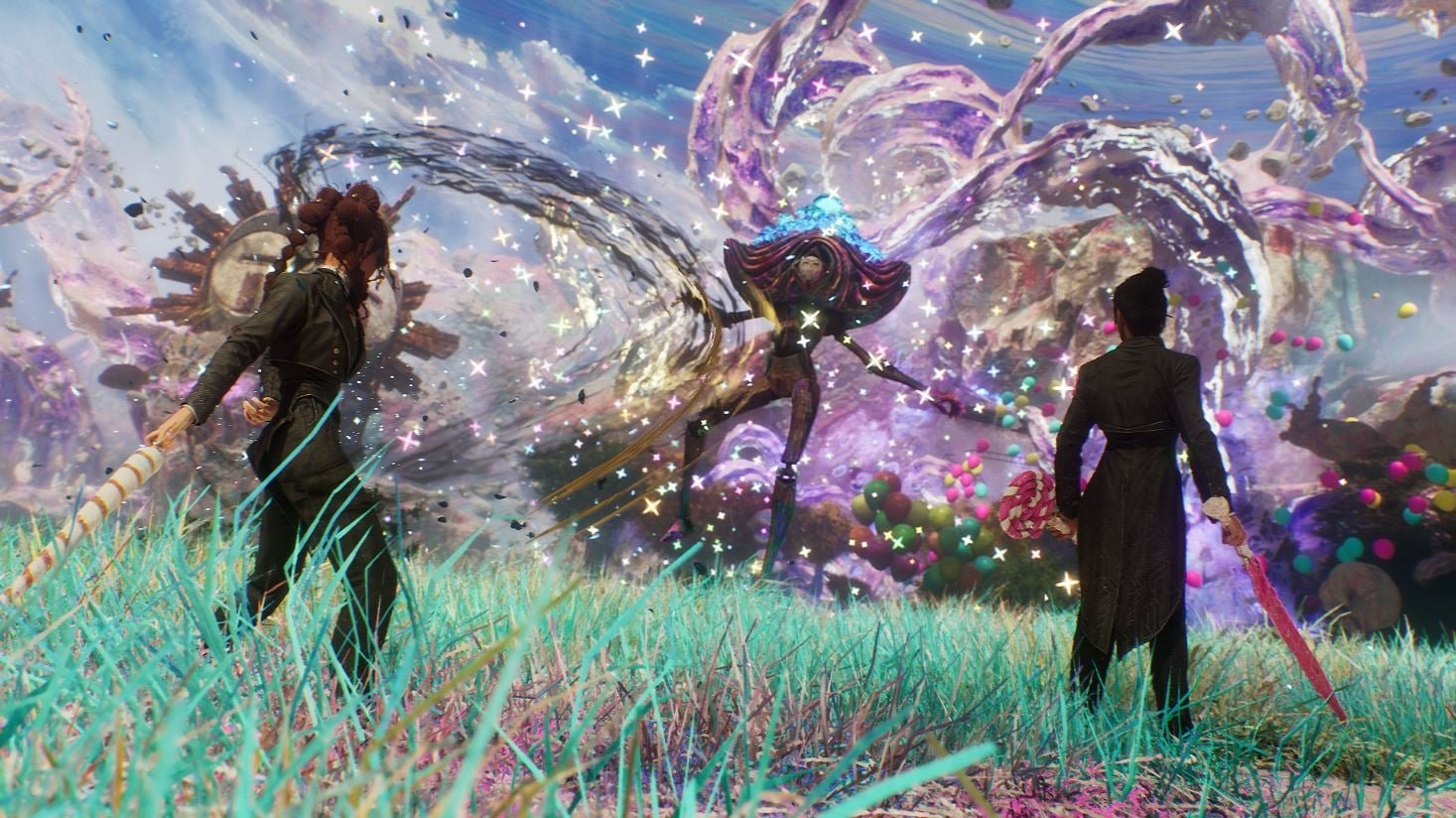
Yoshida used the development of Clair Obscur: Expedition 33 to illustrate this point. As an advisor to Kepler Interactive, he played a demo of the game about two years before its launch. He was struck by the combat system, which he described as a “blend of turn-based JRPG mechanics and real-time action inputs similar to The Legend of Dragoon” (a game he produced).
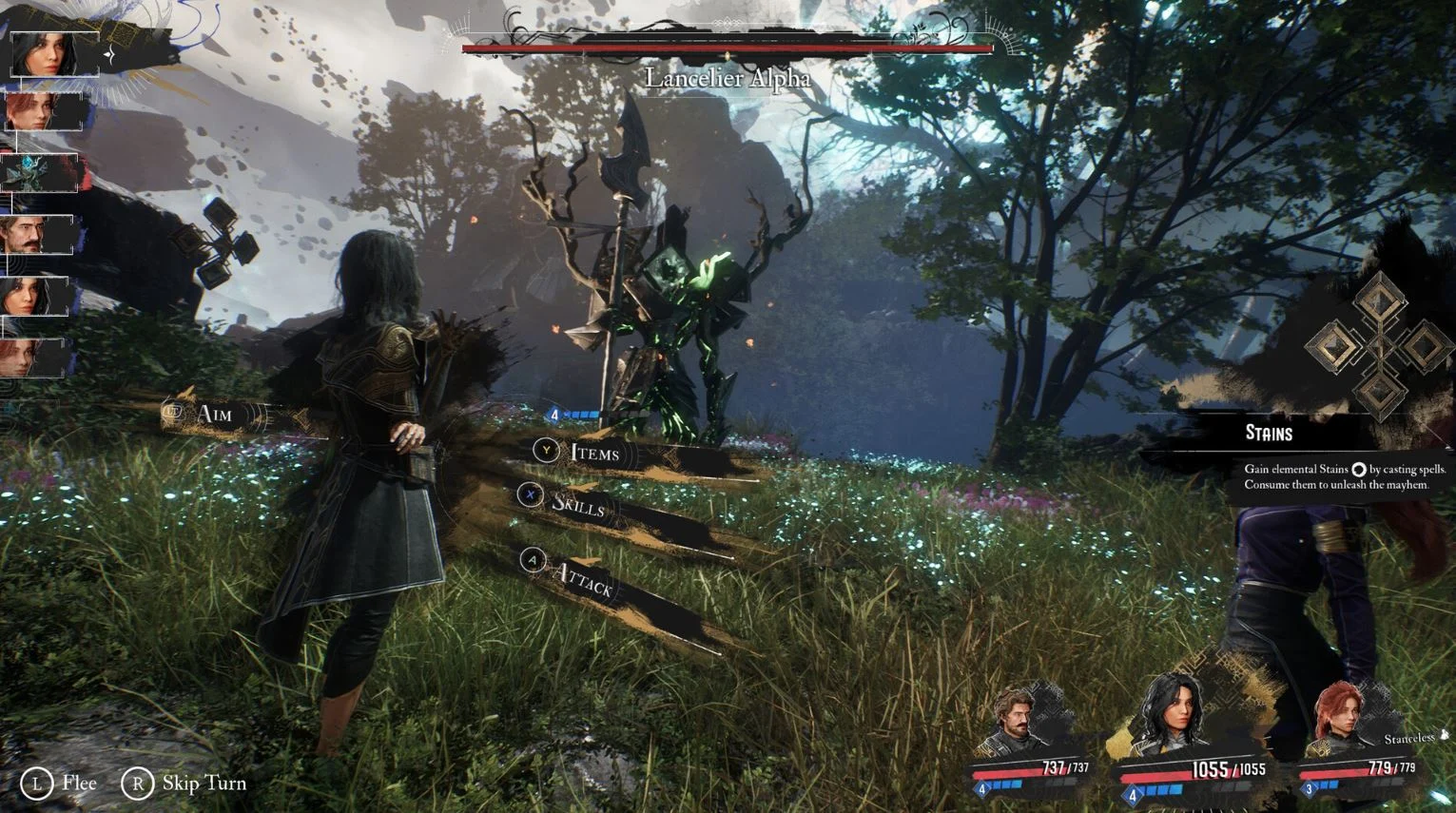
Despite being impressed by the gameplay, Yoshida noted that turn-based JRPGs were often dismissed as outdated at the time. He advised Sandfall Interactive, the developers, not to label the game as such. “It’s incredibly well-made, but it would be better not to call it a turn-based RPG. That alone might cause players to overlook it.” As a result, the branding was revised to terms like “reactive turn-based battles.”
Following the success of Expedition 33, Yoshida mentioned that publishers have since received numerous pitches for turn-based RPGs. He views this as a clear example that success is not guaranteed by simply following market trends.