







Anime
The voice of Shinji Ikari leads the fight against AI in Japan
The legendary voice actress pushed historic legal guidelines against AI voice cloning.

Voice cloning using artificial intelligence has stopped being a simple internet game and become a real threat affecting the dignity and livelihood of voice actors in Japan. Fed up with seeing their work exploited with impunity, legendary seiyuu Megumi Ogata, globally recognized for bringing iconic characters like Shinji Ikari in Neon Genesis Evangelion and Makoto Naegi in Danganronpa to life, decided to lead a historic legal battle to stop the unauthorized use of synthetic tools in the community.

In a recent interview, the veteran actress expressed her deep rejection of channels and content creators who clone famous voices to generate profitable videos without any consent. Ogata called this practice devastatingly disrespectful, pointing out that the voice is a fundamental part of a human being’s identity and it is painful to see how third parties use it at will to say things that would never come out of their mouths. Additionally, she harshly questioned the inaction of the Japanese government, criticizing how a nation that calls itself a cultural powerhouse in content had not set clear limits earlier to protect its own creative talents.
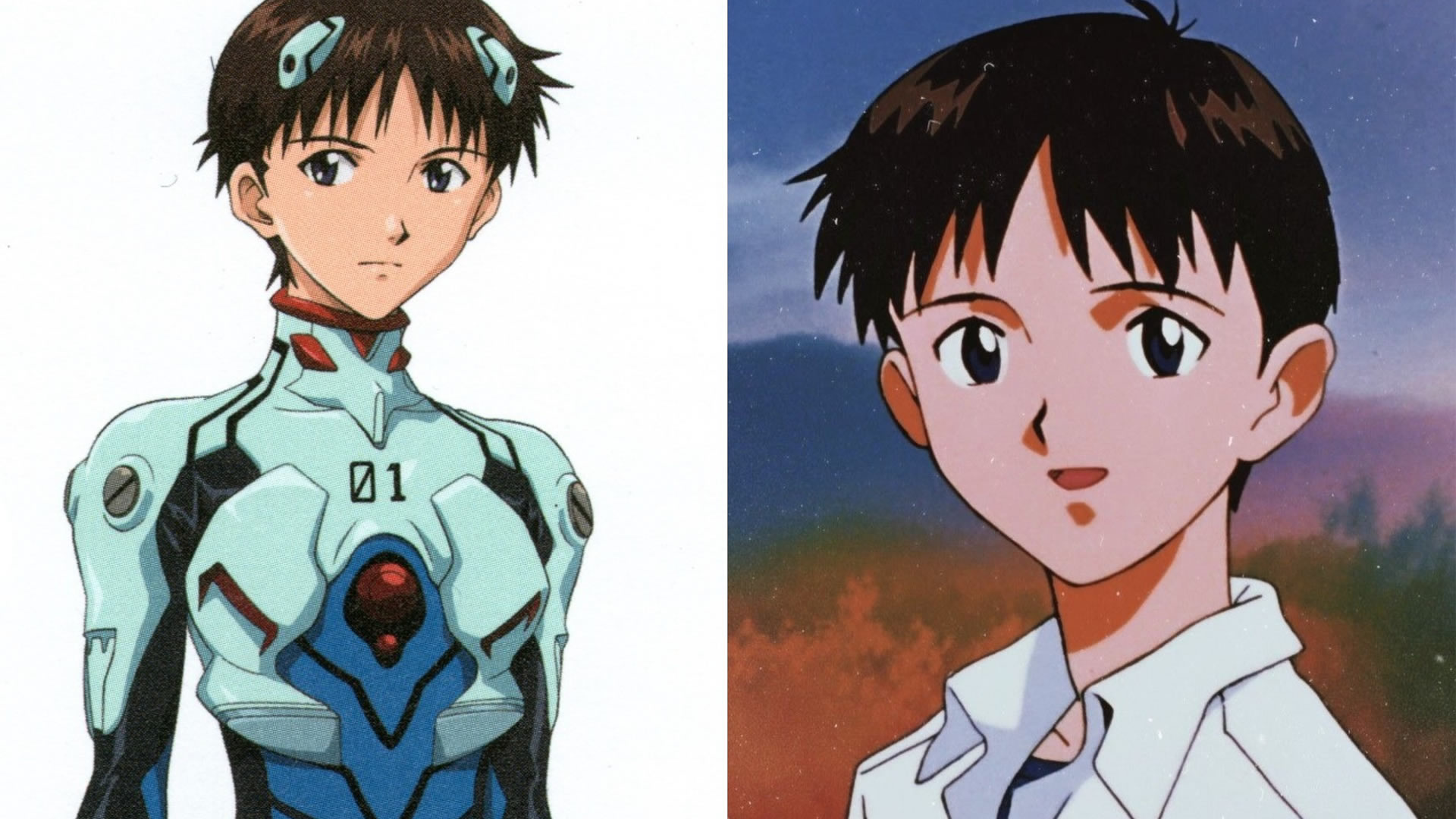
The pressure exerted by Ogata and other leaders of the anime industry finally yielded results. After her participation in government working tables starting in May 2026, an expert panel from Japan’s Ministry of Justice approved on July 27 the draft of the first official guidelines to regulate this technology. The document states that a person’s voice will be protected under the same commercial rights that protect a celebrity’s image or name, meaning monetizing clips with AI-generated voices without permission will be considered a punishable legal violation. This resolution aims to curb millions of dollars in industry losses, exemplified in recent lawsuits where cloned videos generated 500,000 to 750,000 yen monthly at the artists’ expense.
With this legal framework set to be finalized in August, Ogata’s goal goes beyond her own professional legacy, seeking to ensure a fair and safe ground for future generations of voice actors who dream of making their way in acting without fear of being stripped of their talent. Knowing that legal loopholes allowed voices of artists to be exploited without control on digital platforms for years, do you think this historic milestone in Japan will serve as a global example for other countries to protect human work against the unchecked advance of artificial intelligence?

The beloved Gabriel DropOut comedy manga will reach its end
