






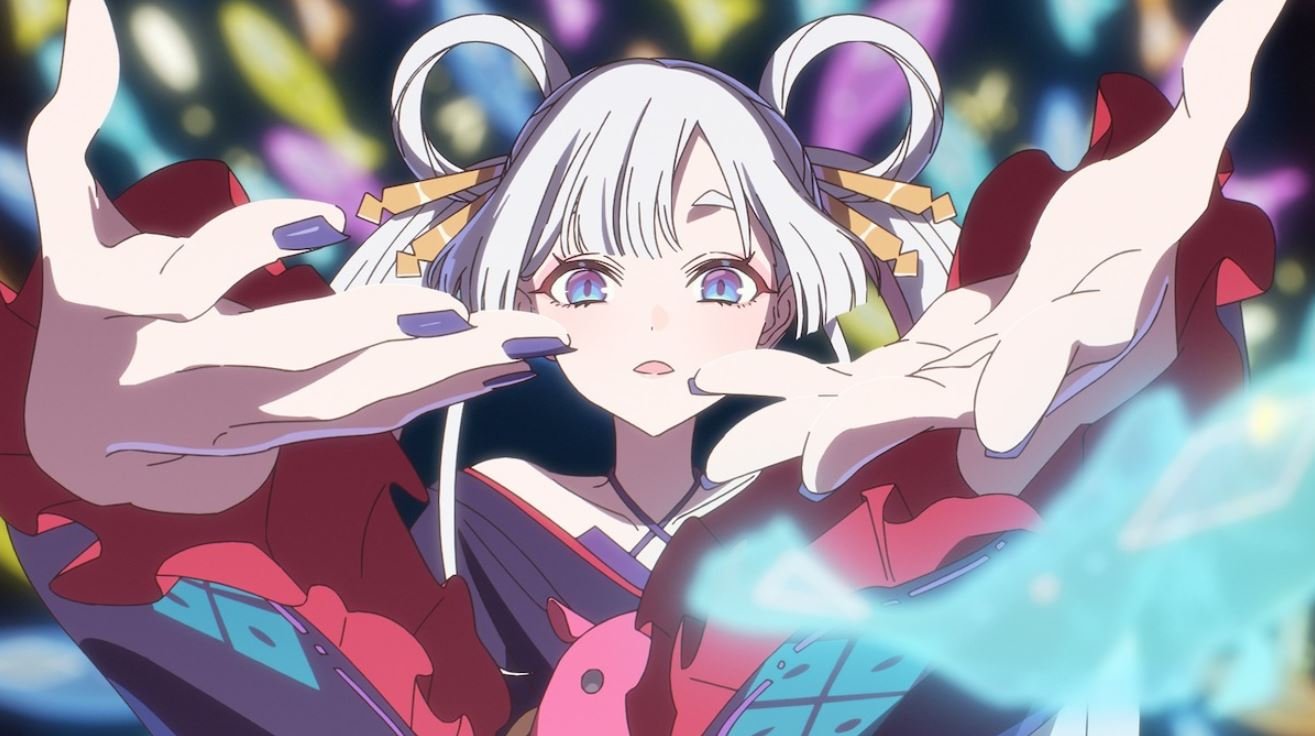
The Content Overseas Distribution Association (CODA), a leading Japanese trade and anti-piracy group focused on safeguarding intellectual properties from global copyright violations and unlawful distribution, released a statement on May 27, tackling the matter of AI-related copyright infringement.
As noted by ITMedia, CODA declared that it has “uncovered substantial issues with present-day AI services that demand attention,” urging AI developers and providers to implement safeguards for intellectual property rights.
The organization contends that the actions of current AI services could infringe copyrights by generating images and videos that are “nearly identical or remarkably similar” to existing Japanese content, even in cases where no specific copyrighted material is referenced in the input. According to CODA, “the core of the problem” stems from “the extensive public availability of generative AI services by highly influential companies.”
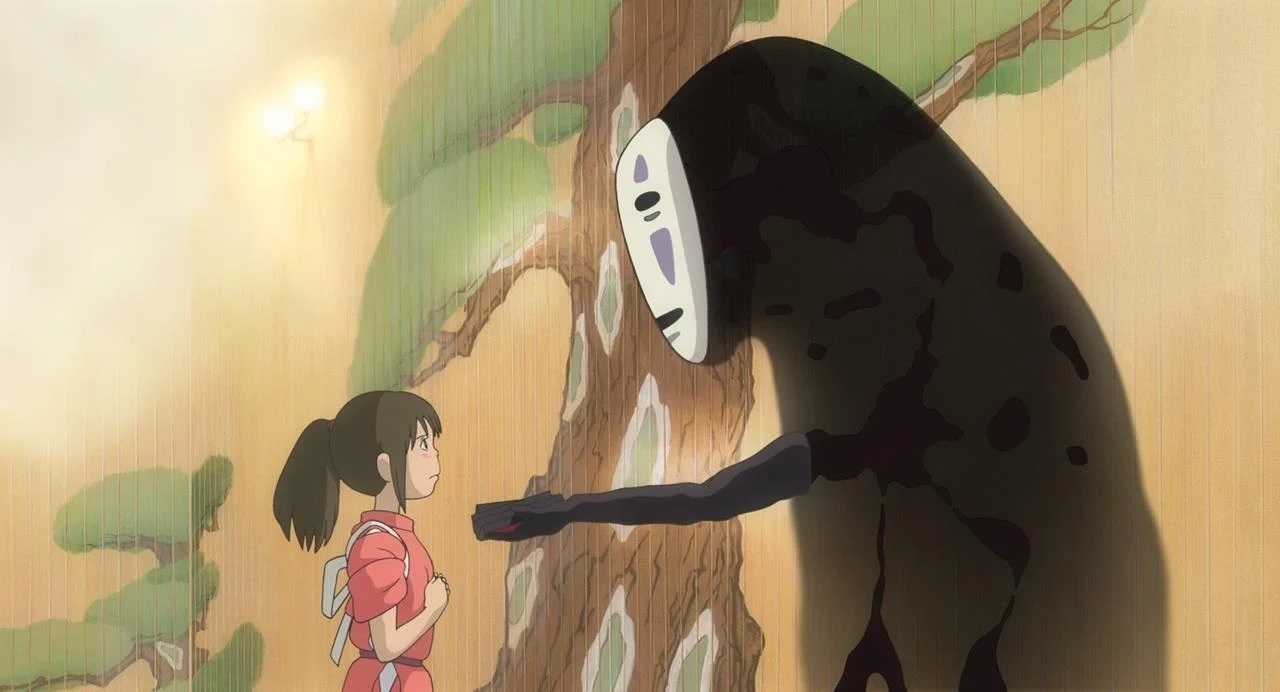
To mitigate this, CODA outlined three key demands for AI developers and service providers: proactive measures to prevent outputs that mirror copyrighted works, a halt to using content from CODA members (such as Studio Ghibli, Kodansha, Shueisha, etc.) for training without authorization if investigations or rights-holder complaints reveal similar outputs, and a genuine commitment to engaging with rights holders.
Regarding AI training specifically, CODA acknowledges that Japan’s copyright law (Article 30-4) allows for some flexibility when training for “non-enjoyment purposes.” However, the group maintains that while copying materials during training may not always involve enjoying the original work, it still falls under “use for enjoyment purposes,” thus constituting copyright infringement.
The organization also pointed out that unintended resemblances to existing copyrighted works are “seen as a risk tied to generative AI use and are increasingly deterring its adoption,” stressing that generative AI should be a tool “that respects and upholds human creativity.”
“The unauthorized use of copyrighted works to produce content that closely mimics them is a grave concern that harms creators’ rights and the very essence of creativity,” CODA stated.
Related:
Japan’s major cosmetics brand faces backlash for AI-generated ad following Sailor Moon comparisons