





Japan bans cloning seiyuu voices with artificial intelligence
The Japanese government ruled that using AI to clone seiyuu voices violates their rights.
16 seconds ago

The party is over for those using apps to make their favorite characters sing cumbias or read questionable texts online. After months of intense protests from the anime industry, Japan’s Ministry of Justice finally struck and published new legal guidelines. This document officially states that a person’s voice is an undeniable symbol of their personality and is strictly protected by civil rights, with the same legal weight as their name or face.
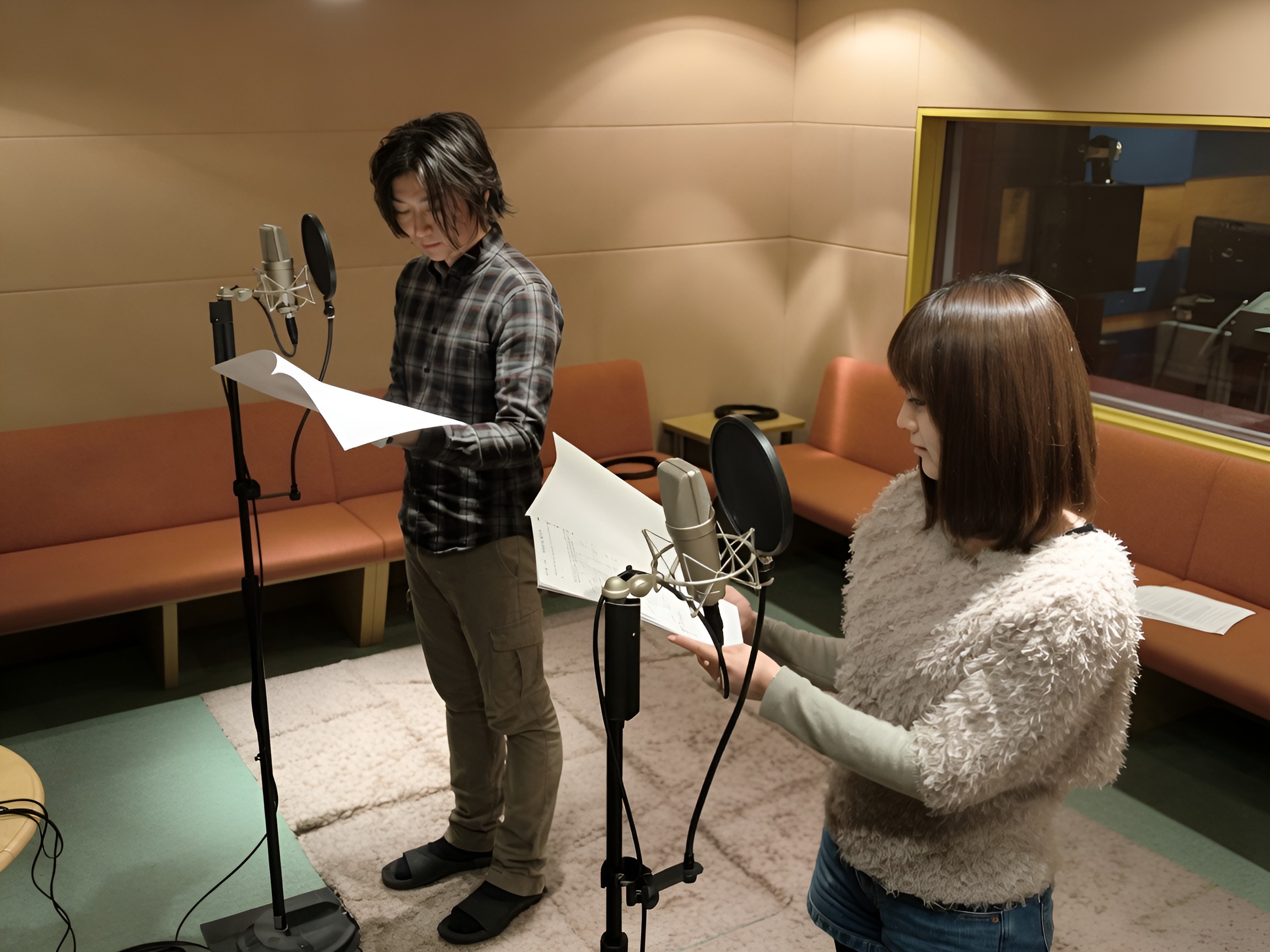
This historic update directly responds to the alarming wave of AI-generated videos and audio using the vocal tones of famous seiyuu and singers without permission. Under the new law interpretation, creating and publishing material that mimics a voice actor to generate income on social media is a direct violation. And watch out: the law leaves no room for loopholes—using the appeal of a famous voice to gain views or followers is considered a crime harming the original talent commercially, even if the creator doesn’t make direct profits.
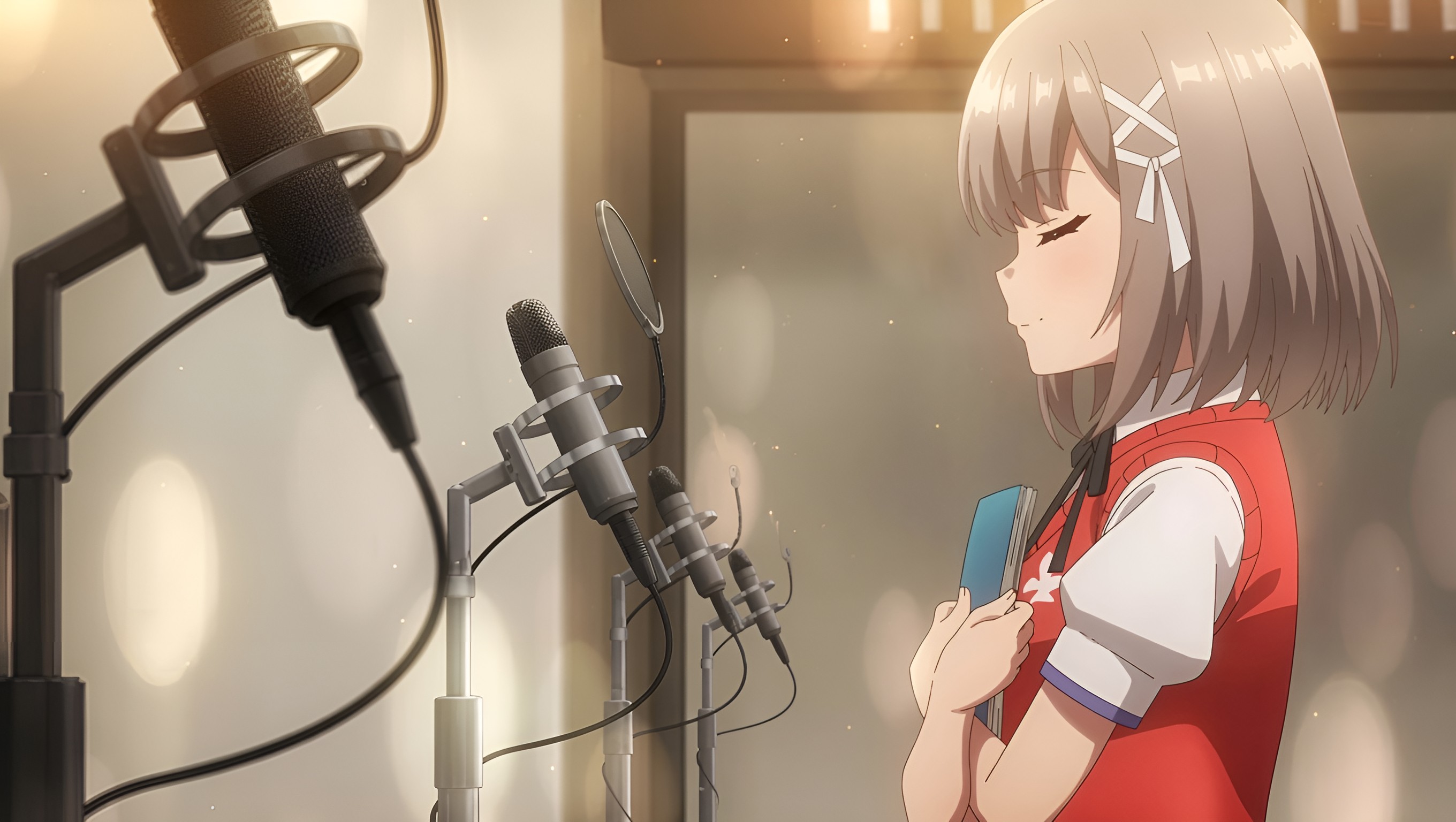
Those ignoring this warning face severe consequences. Victims can demand hefty damages and demand immediate content removal. AI platforms and developers promoting voice cloning will also face legal liability. Interestingly, the ministry made a logical exception: human imitations, like comedians parodying characters for fun, remain legal, showing the core issue was the indiscriminate use of machines.
With viral AI-generated cover videos flooding the internet, do you think these new Japanese laws will fully stop this practice, or will creators find legal loopholes to keep monetizing others’ talent?

VTuber Ichijou Ririka won’t leave Hololive even after marriage

 Sasuke