



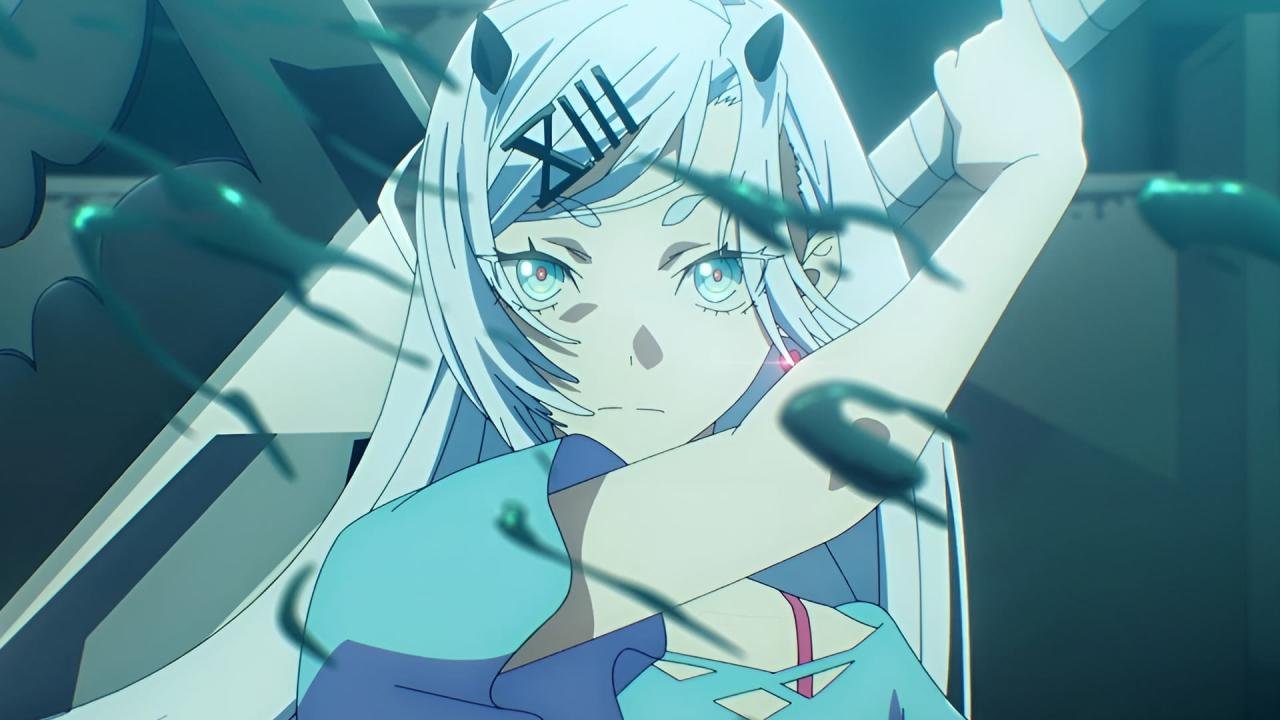


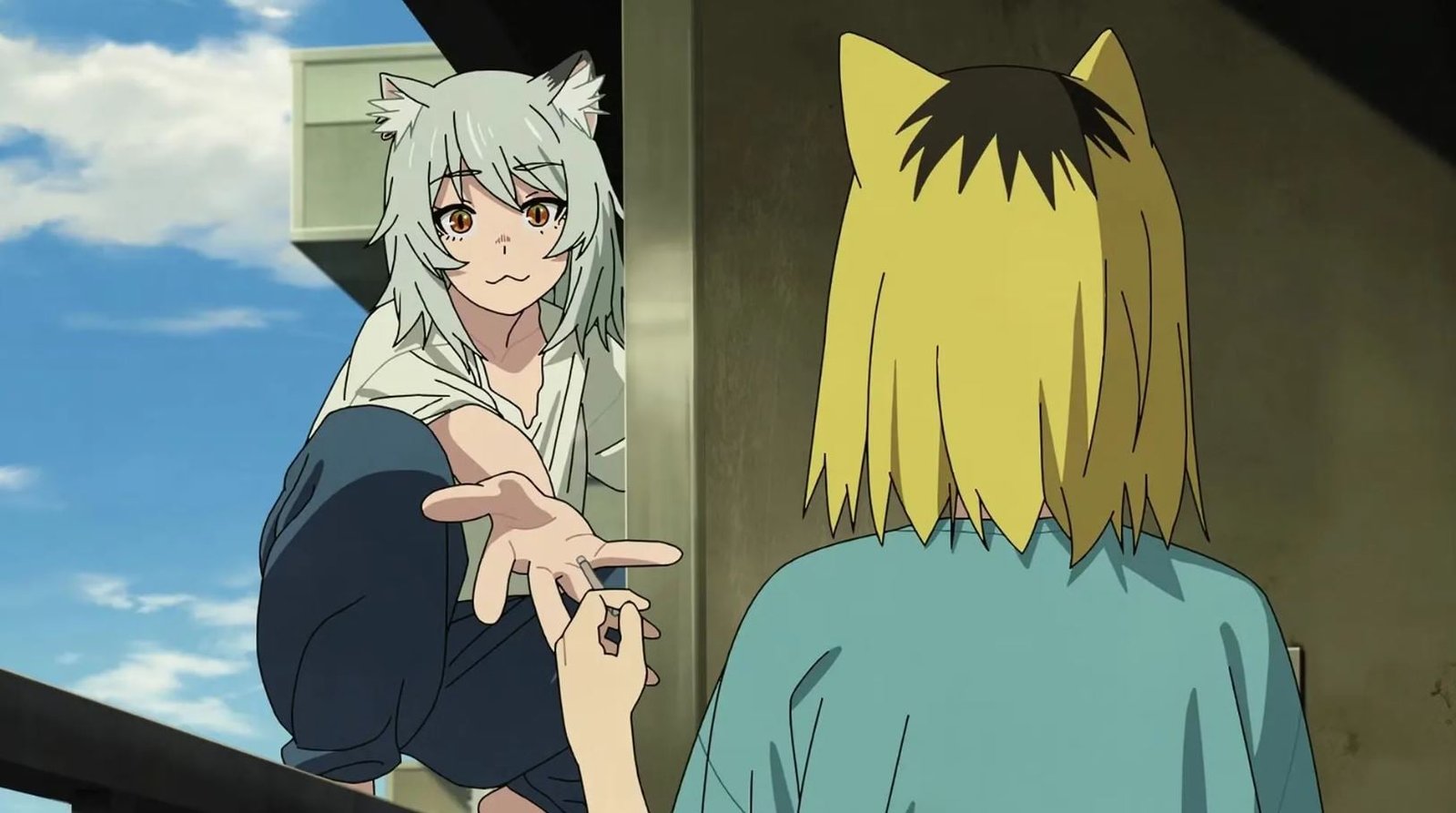
Motoki Tanaka (also known as Tensho), the founder and CEO of Bibury Animation Studios (known for works like Chainsmoker Cat and The 100 Girlfriends Who Really, Really, Really, Really, Really Love You), recently spoke to aspiring professionals in the anime field via X, sharing his perspective on the current state of the industry. According to Tanaka, both working conditions and compensation for animators and production coordinators have seen significant enhancements in recent years.
He pointed to higher wages, timely payments from employers, and reduced overtime and overnight shifts as evidence, stating that “the period when low pay was standard and overtime was unavoidable in the anime industry is coming to an end.”
Tanaka also noted that the perception of animation work as something to be ashamed of or “just a job for otaku” is fading. With the industry now recognized as a vital cultural pillar of Japan, he believes those employed in it should take pride in their profession. He acknowledged that while animation remains a challenging career (with some cases of low or delayed pay and overtime still occurring), it can also be incredibly rewarding.

Concerns about poor working conditions for animators in Japan have been frequently reported in recent years. In July 2023, a piece from Oricon News revealed that experienced artists were often the sole beneficiaries of the anime industry’s global financial success. New animators, conversely, earned approximately 50 thousand JPY ($350 USD) monthly and were encouraged to hone their skills in their personal time, leaving little room for part-time jobs to supplement their income.
An incident in March 2024 involved a Japanese animator who posted on social media about receiving only $132 USD for their first month of work at an animation studio. Other animators echoed similar stories, with one describing a three-day deadline for in-between animation on a popular anime series for roughly $103 USD.
In 2025, a report from a UN human rights committee brought attention to systemic problems within Japan’s anime sector, raising questions about the country’s ability to maintain its production output and sustain the industry. The report found that over 30% of freelance or independent contractor animators were vulnerable to excessive working hours and unfair subcontracting practices. It also noted that animator contracts often failed to safeguard the creators’ intellectual property rights.
Given these challenges, many have welcomed the positive outlook from someone deeply involved in the anime industry. While it’s clear that improving poor working conditions won’t happen overnight, it’s comforting to hear that the industry is slowly moving in the right direction, even if disparities between studios and job roles persist.