




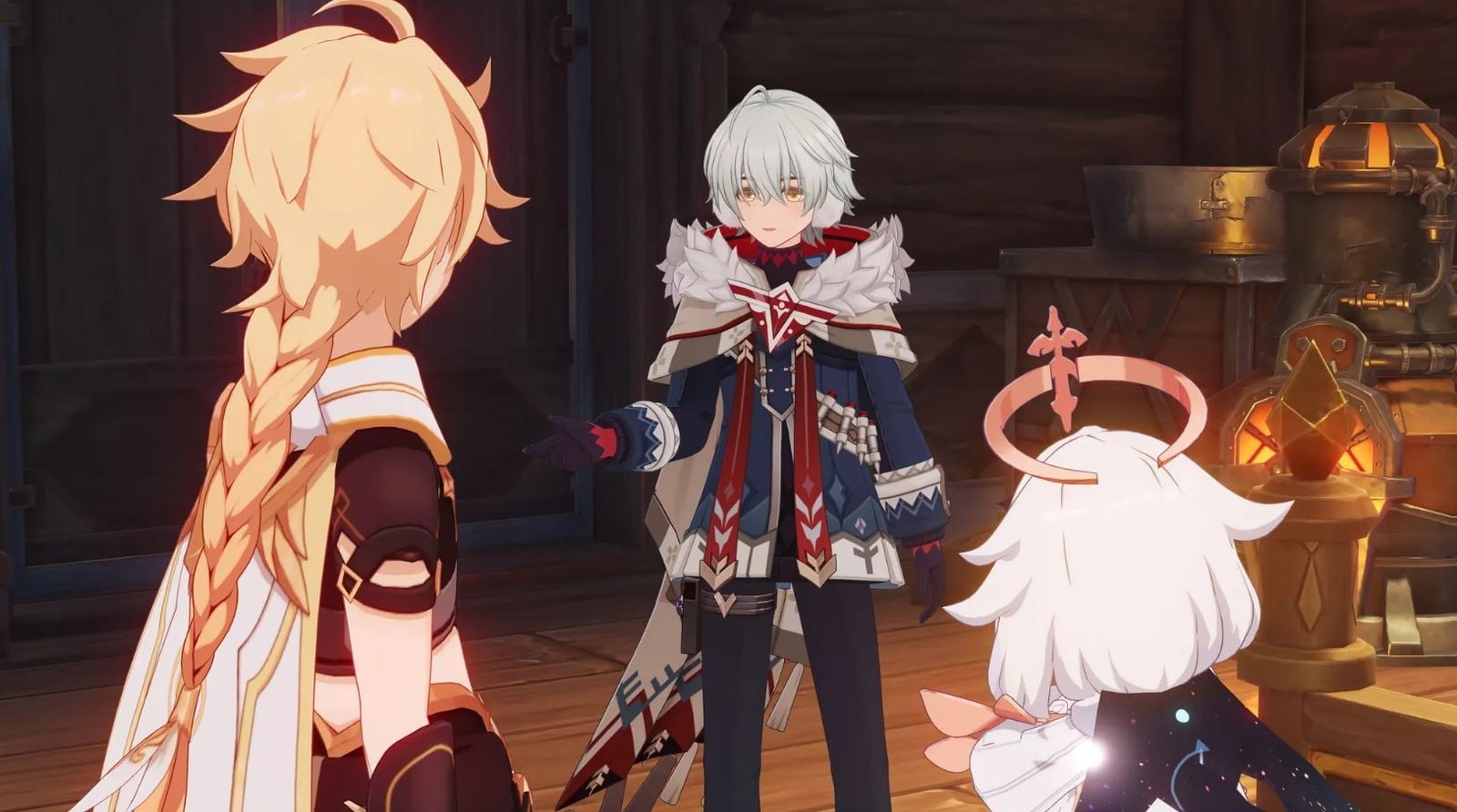
A Shanghai court recently directed an unnamed AI service provider in the city to compensate miHoYo, the developer of Genshin Impact, with 750,000 Chinese Yuan (approximately $112K USD) for illegally utilizing the game’s character voices (source: The Paper). The verdict pertains to a voice conversion tool that let users alter their voices in real-time by employing voice packs from miHoYo’s creation.
miHoYo alleged that the AI company replicated the voices of 63 Genshin Impact characters without authorization and marketed voice packs featuring these characters. The defendant also crafted and disseminated promotional videos for the tool using Genshin Impact character visuals and animations, utilized altered character images as voice pack avatars, and enabled users to sample character dialogues.
The game studio pursued 5 million Chinese Yuan ($746K USD) in damages alongside an immediate halt to the infringing activities, contending that these actions amounted to copyright infringement and unfair competition.
The AI firm countered that its voice conversion tool was rooted in extensive AI training models, implying that the resulting voices differed based on user input. It also maintained that the rights to the voices belonged to the voice actors, suggesting that the actors should be the ones to enforce such rights.

Nevertheless, voiceprint analysis revealed that the vocal traits from the AI tool and the character voices from Genshin Impact displayed “practically identical traits.” Moreover, the defendant admitted in court that it had blended one minute of audio from a Genshin Impact character with other content to train the voice conversion model.
The court ruled that Genshin Impact’s character designs and in-game footage constituted artistic works/audiovisual works, and that the defendant’s unauthorized use of these elements constituted copyright infringement.
Furthermore, it was determined that, owing to Genshin Impact’s sustained operation, the character voices served as a distinctive mark enabling consumers to identify their origin. It was found that the defendant’s actions surpassed the reasonable limits of imitation and constituted unfair competition (i.e., creating a counterfeit that could mislead consumers into mistaking the service for an official product).
The court ultimately ordered the AI service provider to cease the infringing activities immediately and pay approximately $112K USD to miHoYo. Although the initial ruling was delivered on June 30, it recently became definitive after the defendant withdrew its appeal.