







Earlier this month, a roundtable discussion was held between the teams behind Behaviour Interactive’s Dead by Daylight and Freestyle’s Obakeidoro. The first segment of the interview delved into the origins of their asymmetrical multiplayer games, the concept of winning and losing, and the design philosophy that shapes unforgettable player experiences.
The second part of the conversation shifted to the practical aspects of game development. The developers explored topics such as UI and UX design, how Dead by Daylight leverages player data and community feedback for development, the unique balancing hurdles faced by the Japanese player base, and why preserving a game’s core identity is as crucial as introducing new features. Be sure to check out Part 1 of the interview, where the creators discuss the inception of their asymmetrical games and the design principles guiding them.

The philosophy behind Dead by Daylight’s UI design
Tanaka (Freestyle, Tanaka):
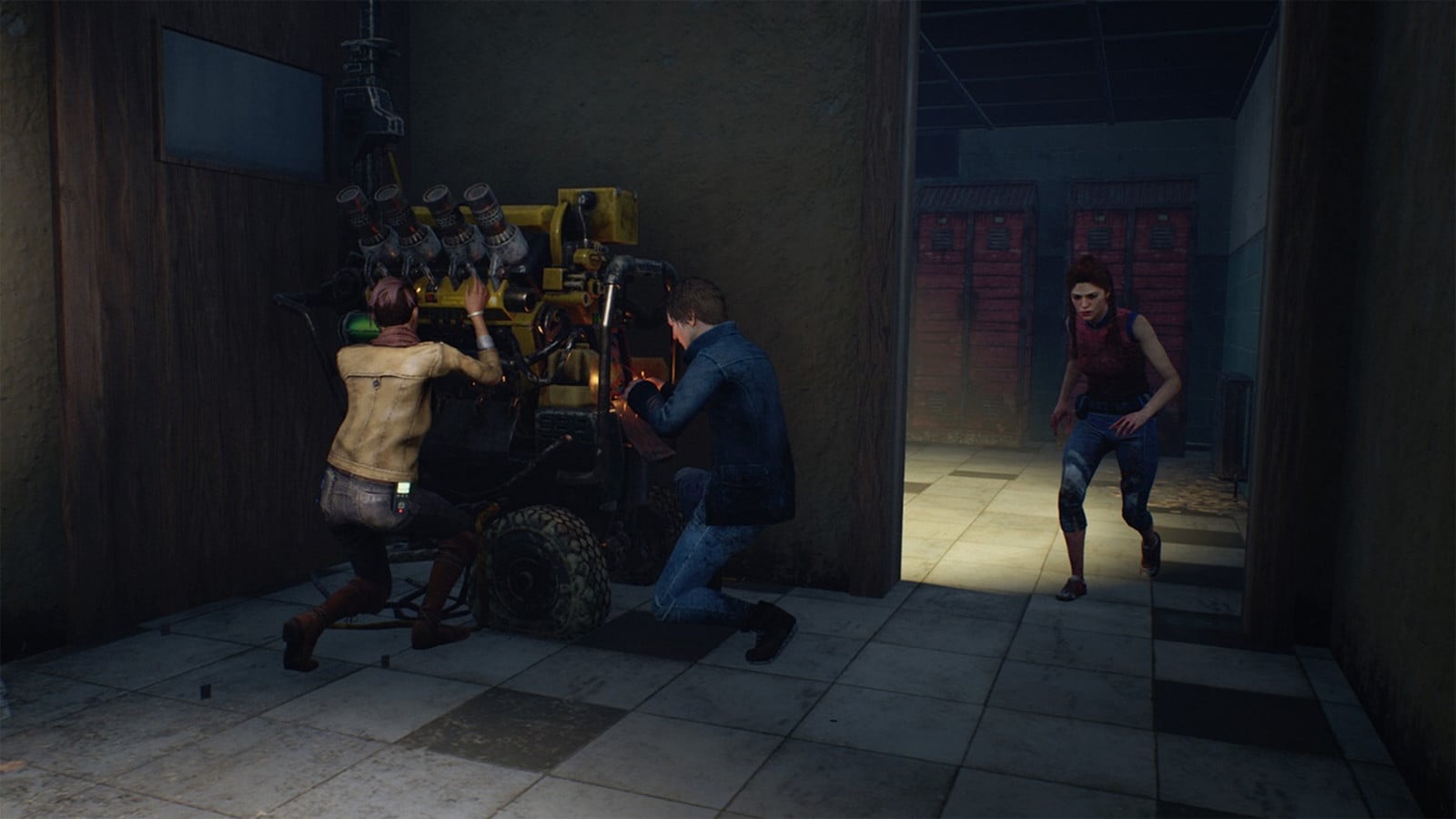
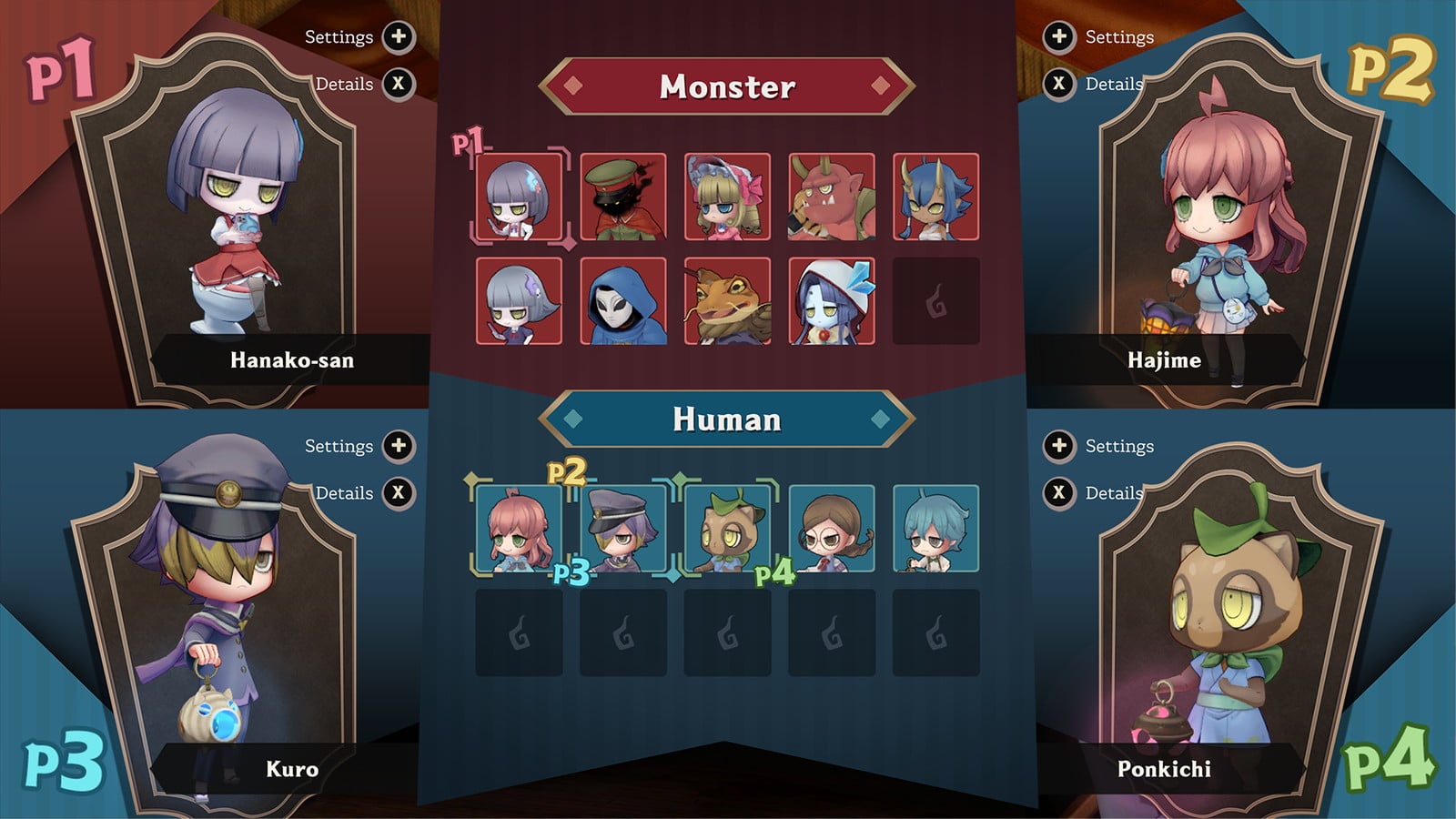
When we decided to port Obakeidoro to consoles, one of our main challenges was designing the game’s UI. At that time, Dead by Daylight became a significant reference for us due to its intuitive nature.
The flow was incredibly natural. The game posed simple questions like “Who are you playing with today?” and seamlessly guided players through selecting their character, choosing a location to play, and entering a match. We were particularly impressed by how few button presses were needed to start gameplay, and we used this as a benchmark while designing Obakeidoro.
I’d like to inquire about the philosophy that guided this approach. Did you intentionally aim to make the UI that accessible?
Dave (Behaviour Interactive, Dave):
That’s an interesting question, as we’re still far from the ideal we’re striving for. Enhancing the UI to be even more straightforward and user-friendly is a priority for us, and we’re actively revamping it right now. One of our objectives is to get players to their desired destination with minimal clicks.
A lot of consideration goes into making this process as swift as possible by trimming the unnecessary elements, ensuring we only load what’s essential at the right time, rather than loading everything at once, and making sure players can locate whatever they need with ease.
And quickly, like everything we do in Dead by Daylight, or any game, it undergoes an iterative process and extensive testing. We begin with ideas on whiteboards and paper, ensuring we have a clear vision for all the menus and UI. Then we construct prototypes, test them with actual players, and continue iterating until we reach the final product.
José (Behaviour Interactive, José):
I’d just add one point, although it’s perhaps more about UX than UI. One aspect we always monitor is the time between when you decide to play and when you’re actually in a match. We literally measure how long it takes between those two points, and we know that we’re closer to the bottom of the list in terms of this speed to play. This is due to a mix of factors, from the number of elements loaded on the loading screen initially – and there are many – to the duration of matchmaking. This is also because, for now, we don’t matchmake against bots.
It’s a combination of different elements, but we know the time between deciding to play and actually starting a match is too long. For our 10th anniversary, we announced numerous new features, like new graphics, modding, etc. But that aspect of the game, which is the time it takes to get into a game, is also something we’re going to improve – it’s going to be much, much faster.
One final point I’d add is that, from an UX standpoint, we have recently introduced a feature called Play While You Wait. This means that, as I’m sure you also face this challenge, sometimes the balance between the number of killers and survivors in the queue is off. You don’t always get the right proportion. Sometimes there are more killers than desired, sometimes more survivors. It can even vary by day.
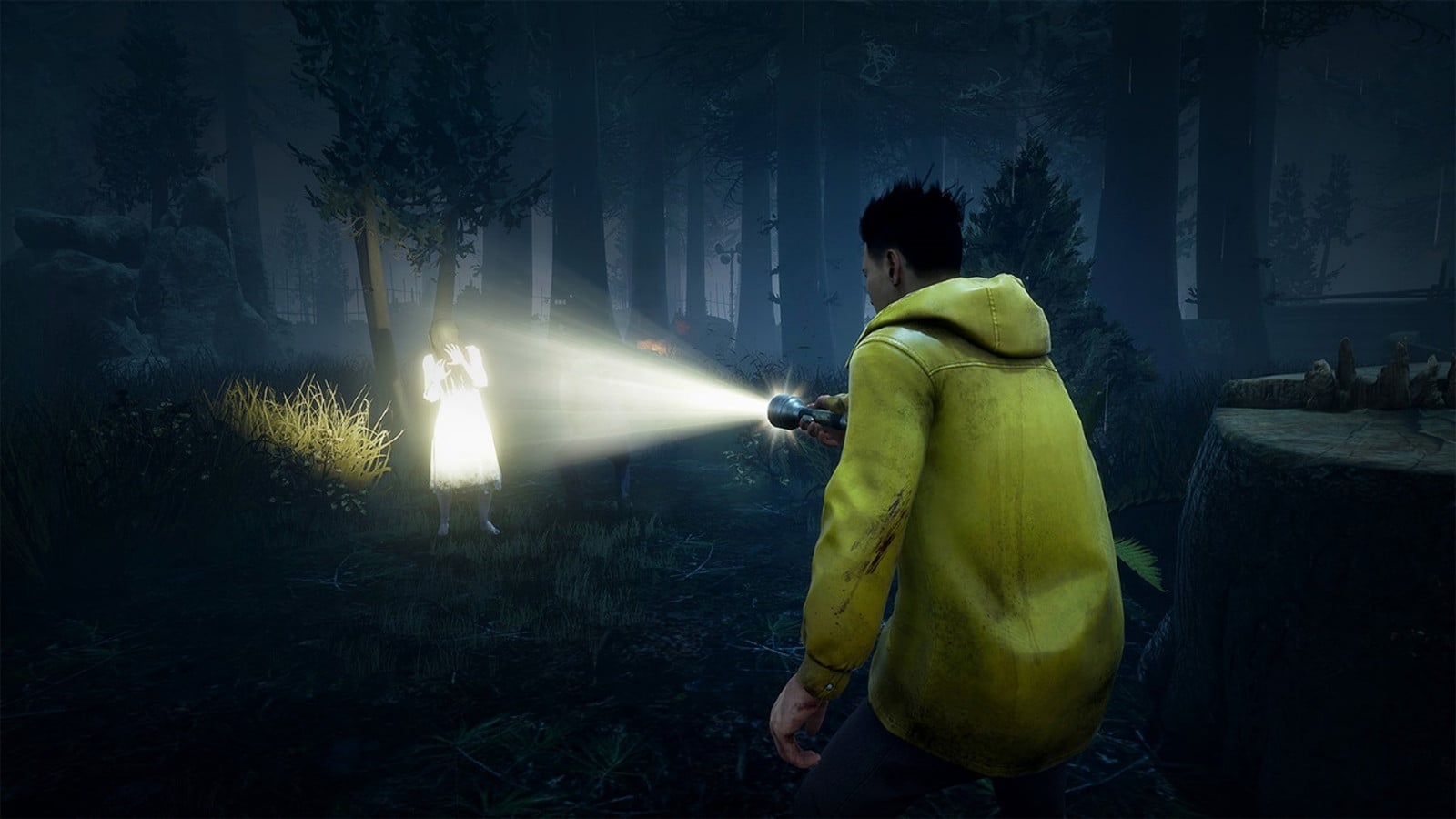
In our case, since survivors tend to be the more social role, we usually have too many survivors in the evening, and too many killers during the day. So, we added the Play While You Wait feature. For instance, if you want to play the killer role, but there are too many of them, you can play as a survivor while remaining in the queue as a killer. Once your match is over, you retain your place in the queue.
This means you’ll play much faster, even if you’ve waited longer to play as the killer. But instead of waiting endlessly, you’ll never stop playing. I believe that type of feature is very valuable for players.
Tanaka:
That’s excellent. I really appreciate the idea of allowing players to keep playing while they wait.

–What’s the most important thing to monitor on your end in terms of KPI?
Dave:
They put José and myself in a jar and make us fight. (Laughs) I’ll let José answer that one.
José:
It’s a combination of factors. Thanks to Dead by Daylight’s popularity, we’re fortunate to have a large team. We have many people on the analytics team and many on the community team. The great thing is that we have numerous sources of data points to inform decisions. Data analytics is one of them. You mentioned some excellent examples, like queue time, disconnect rates, or the fact that, in the meta, the same Perks are used constantly while some characters are rarely used.
Community sentiment is also crucial, because sometimes user perception can be negative, even when the data looks positive. That happens frequently, and we have plenty of reports on that side as well.
Another point I’d add, and this is a major challenge for us, especially regarding the Japanese player base, is that we want both roles to always have fun.
It’s not just about one specific metric, but usually, the metric that both players and designers frequently examine is the killers’ kill rate. While Dead by Daylight doesn’t have a strict definition of winning, a 60% kill rate is generally considered good. We’d regard that as a fairly balanced killer. Interestingly, our worldwide average is also 60%. So, if you simply compare our data with the worldwide average, we’re in pretty good shape j
 Mido
Mido