


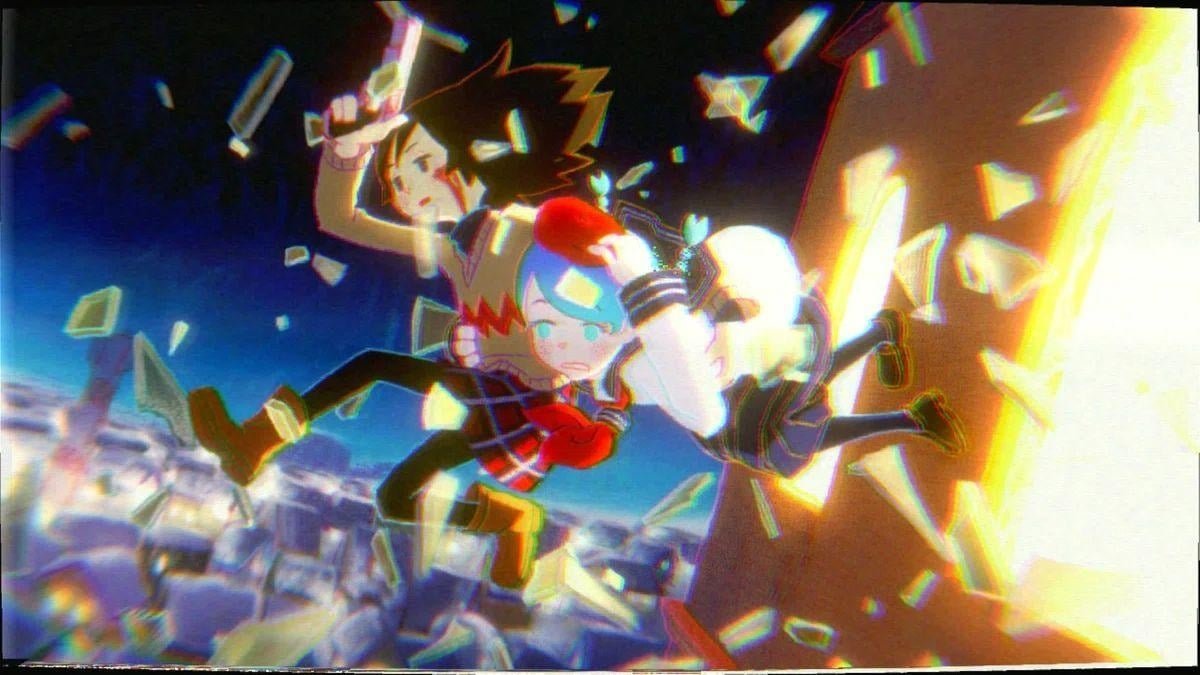
In a market flooded with daily Steam releases, Japanese indie games from smaller developers often slip through the cracks. However, these titles frequently boast unique concepts and distinct identities that deserve recognition. To address this, we’ve launched a new series titled “Steam gems from Japan you might be missing out on,” dedicated to spotlighting these overlooked indie treasures, one game at a time.
The loneliness and violence behind the cute facade
For the fifth installment of this series, we’re focusing on ghostpia Season One, a visual novel crafted by developer Chosuido. This title serves as a refined adaptation of the original web browser and smartphone game “ghostpia,” featuring updated text, improved character art, and enhanced animations. It first arrived on Nintendo Switch in March 2023, with a Steam version following in August.
Set in a snowbound town at the terminus of a train line, ghostpia Season One is inhabited by 1024 “immortals” or ghosts. Sayoko, the protagonist and the sole outsider in this isolated community, yearns to return to her hometown. Her monotonous existence begins to change when a mysterious new ghost named Yoru appears, disrupting the town’s equilibrium.
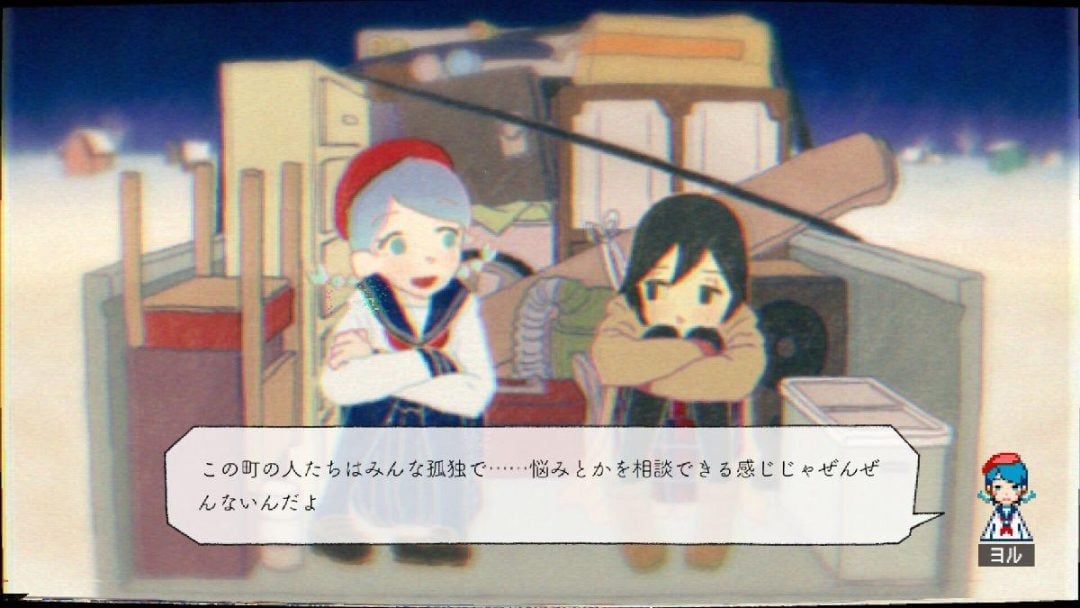
The game’s visual identity is defined by its warm, picture-book style graphics and glitchy static effects, creating a distinctive aesthetic. Chosuido refers to this as a “Denshi” digital graphic novel, blending a style reminiscent of Western graphic novels with custom animations that set it apart from other visual novels.
Despite its charming appearance, ghostpia Season One tells a much darker story. The immortal characters can endure gunshots and explosions, leading to slapstick violence and dark humor. However, the game’s most impactful element is how it explores the girls’ struggles with identity, belonging, and relationships—feelings of isolation that resonate with many players. The story delves into the pain of being adrift, questioning who they are and where they fit in a world that offers no escape.
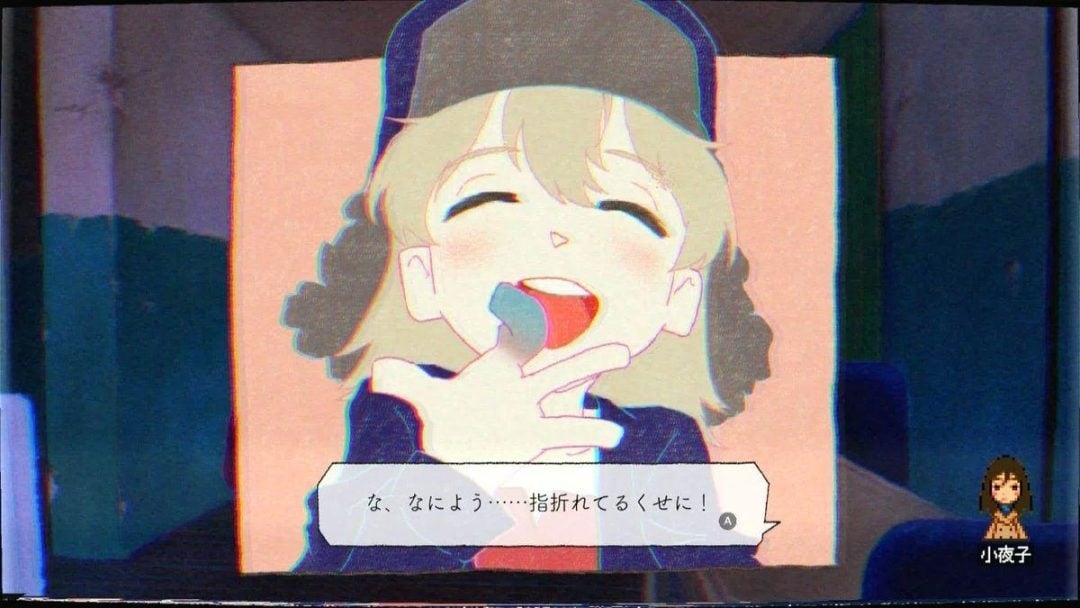
Unlike the real world, where time and change can heal past wounds, the ghosts in ghostpia are trapped in an endless cycle. Unable to die or leave the town, they are forced to confront their loneliness repeatedly. The game’s true innovation lies not just in its immortal characters but in how it uses this premise to explore profound questions about life and existence. The lack of a finite end for the characters underscores their unending struggle with isolation.
The “cuteness” of the female cast extends beyond their designs. Their playful interactions and violent exchanges mask deep desires for companionship and a sense of home. These emotions are amplified by a meticulously crafted presentation, including subtle lip-syncing, blinking animations, glitchy static effects, music, and sound effects. A unique system allows players to fast-forward and rewind scenes, enhancing the storytelling experience.
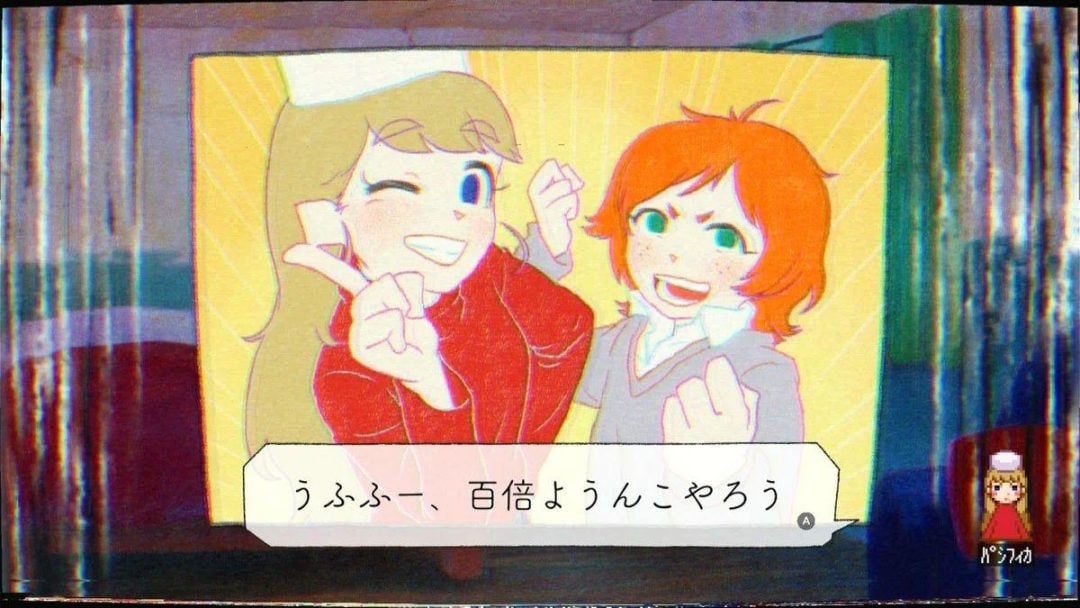
The glitch and noise effects are more than just visual flourishes. Their grainy texture, reminiscent of old VHS tapes, gives the game a worn, nostalgic feel that mirrors the stagnant lives of the characters. The screen’s jittering and shaking reflect the mental instability of Sayoko and her friends. The story, characters, graphics, music, UI, and voice elements are intricately woven to create a cohesive “reading experience,” pushing beyond traditional storytelling to shape the act of reading itself through unique gaming techniques.
ghostpia Season One explores the friendships of charming girls, but it also delves into profound themes of loneliness, violence, and the search for meaning. The experience leaves players with a complex mix of emotions—loneliness, affection, and unease. This title is only the first part of a two-volume work, with ghostpia Season Two in development. Chosuido is also preparing to release another new game, Mata ne to Iwanai Mama de Ite, later this year.
ghostpia Season One is available now on Steam and Nintendo Switch.
Related Articles: