



Forza Horizon 6, slated for release on May 19, is drawing excitement for its Japan-inspired map, which, though fictional, incorporates real-life inspirations and easter eggs, much to the delight of local enthusiasts.
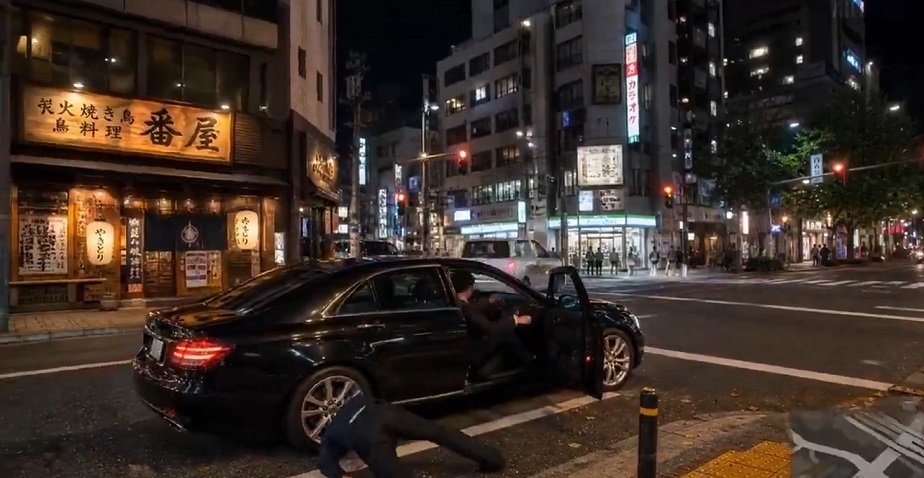
In a related development, an X user employed generative AI to envision Grand Theft Auto 5 set in a hyper-realistic Japan. While the post gained traction, it sparked mixed reactions among Japanese users. Many found the idea unsettling, despite acknowledging the realistic depiction of the country. The notion of a GTA-style game in Japan was viewed as peculiar or even frightening by some domestic players, even though the game’s violent world is purely fictional.
I overlooked the car theft aspect because it’s just a tale of a thug in an unfamiliar city, but seeing it unfold in a culture I know feels disturbing.
I can’t shake off a sense of unease when the setting shifts to Japan, even if it’s just a wild scenario.
Setting aside the AI-generated content debate, many Japanese players expressed discomfort with the “free-roaming” criminal elements in a domestic setting. While GTA’s violence is clearly a work of fiction, witnessing crimes in a familiar environment—especially one known for low crime rates—was unsettling for many. As one user noted, “It’s a terrifying game when viewed locally. I’m starting to question why Americans enjoy it so much,” and another remarked, “I can’t tolerate such a lawless depiction of Japan.”
I’m thrilled that Forza Horizon 6 is set in Japan, yet I’m not as enthusiastic about GTA [potentially being set there too]. Perhaps the familiarity of my home country is heightening my aversion to crime. For instance, forcibly stealing a car is something you’d never see in Japan. I understand why GTA3 was once labeled “harmful content” in Osaka and Kanagawa prefectures.
Interestingly, Japan has a history with the GTA series, as it faced government restrictions due to its violent content. According to ITMedia News, in May 2005, the Child Welfare Council of Kanagawa Prefecture labeled GTA3 as “harmful to minors,” marking the first PC game to receive such a designation since 1992. This meant strict prohibitions on selling or distributing GTA titles to minors in Kanagawa, with violators facing fines up to 300,000 yen. The decision, criticized by Capcom for “restricting freedom of expression,” led to the establishment of CERO’s D (17+) and Z (18+) ratings. Similar bans followed in other prefectures, including Osaka in 2007 (Source: 4Gamer).
On the flip side, some Japanese gamers responded to the AI-generated post by pointing out that Japan already has its own equivalent: the Yakuza series. Others argue that the “Japanese setting” doesn’t align with GTA’s tone, making the footage resemble a new Yakuza game instead. However, distinctions are drawn between the two franchises in how they portray crime. Specifically, GTA is seen as directly encouraging criminal acts by the player.
In the Yakuza series, it’s typically the antagonists who assault civilians. Of course, collateral damage occurs, like when fights destroy convenience stores or use signboards as weapons, so they’re technically harming people.
That’s why I must reiterate how extreme this portrayal is.
While people mention the Yakuza series, you can’t actually commit crimes in it. The protagonist cannot burglarize, steal from, or murder civilians, and the game clearly reflects Japanese culture and ethics. A hypothetical GTA set in Japan could spark major issues and potentially undermine CERO’s foundations.
Some users playfully referenced Ryu Ga Gotoku Studio’s 2018 spin-off Judgement, particularly a scene where Yagami, portrayed by Takuya Kimura, wrecks a convenience store during a confrontation.
Perhaps I’m the odd one for accepting Kimura Takuya’s convenience store rampage as perfectly normal.