


Culture Otaku
“It’s a generic voice”: The outrageous defense of TikTok after actor Kenjiro Tsuda’s lawsuit
The video giant tried to dismiss the lawsuit of the renowned actor, arguing that the tone generated by artificial intelligence is not exclusive to him.
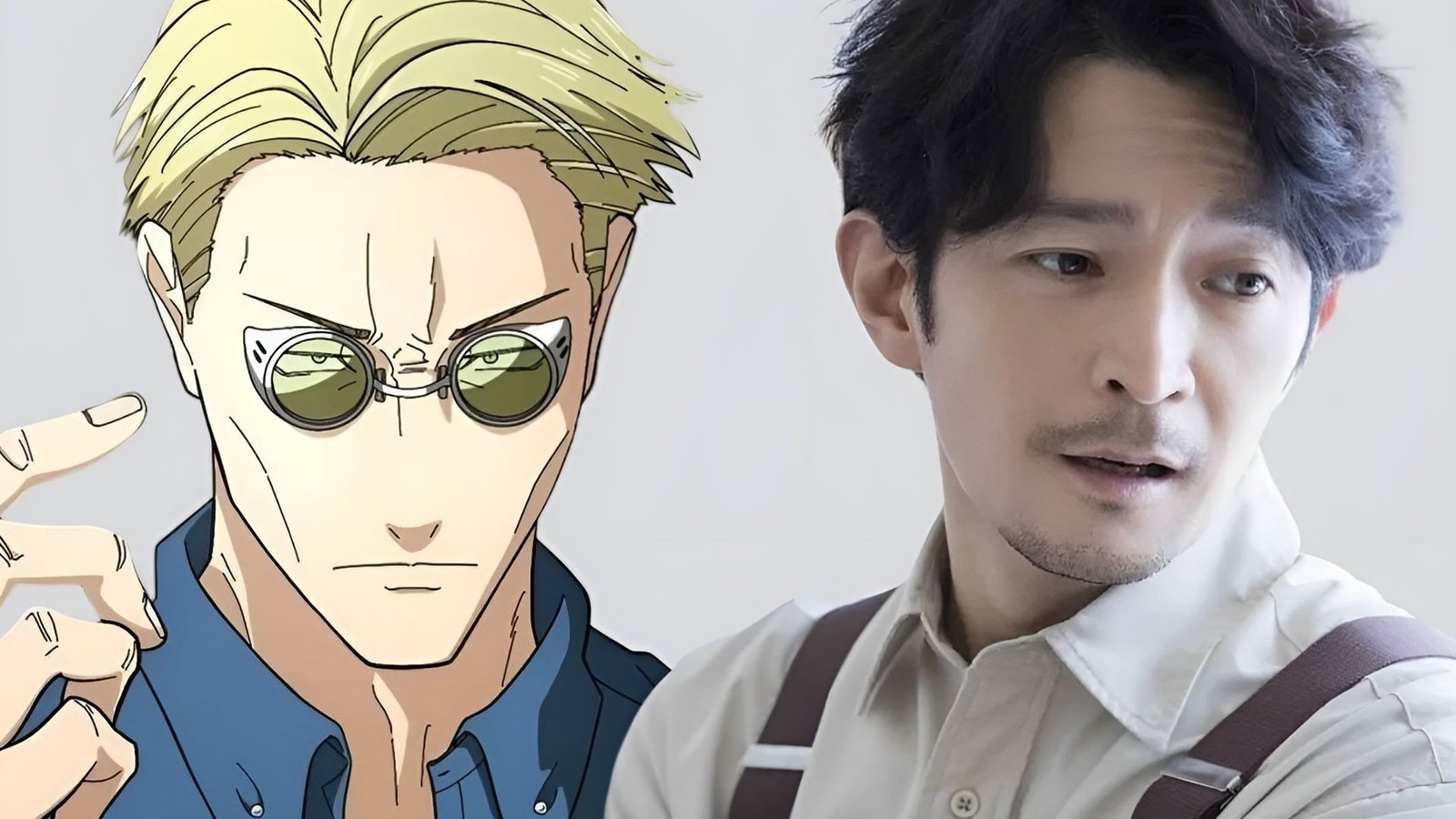
The legal conflict between legendary Kenjiro Tsuda and TikTok executives has taken a turn no one expected, and unsurprisingly, the community is furious. As we recently reported, the actor who brought the iconic Kento Nanami to life in Jujutsu Kaisen decided to take the platform to court for allowing the cloning of his voice using artificial intelligence. However, the company’s official response has emerged, and its defense is so absurd that many consider it a total disrespect to the dubbing profession. The Tokyo Court that the voice generated by users does not imitate the celebrity at all, boldly labeling it as a simple “generic male voice.” According to their logic, content creators were not using AI to ride the actor’s fame, but merely sought a deep and universal tone to narrate their posts. Essentially, they are trying to convince the judge that having one of the most imposing and unmistakable voices in Japan’s industry is completely common.
The worst corporate excuse in history
To dismiss the lawsuit and avoid deleting hundreds of infringing videos, the app’s legal representatives argued before the Tokyo Court that the voice generated by users does not imitate the celebrity at all, boldly labeling it as a simple “generic male voice.” According to their logic, content creators were not using AI to ride the actor’s fame, but merely sought a deep and universal tone to narrate their posts. Essentially, they are trying to convince the judge that having one of the most imposing and unmistakable voices in Japan’s industry is completely common.

The dark outlook for the industry
The massive wave of funa from fans on Japanese forums was immediate. Followers called the excuse absurd and pointed out the immense danger this represents for the chamba of voice talents. If the judge buys this story of a universal voice and rules in favor of the company, a terrifying legal vacuum will be created where anyone could train algorithms with the voices of their idols for commercial projects or adult video games without paying a single cent in royalties. Although the actor’s legal team presented user comments as evidence that instantly recognized his tone in the videos, the outlook looks quite discouraging, and many fear the battle is lost.
Seeing a megacorporation devalue the effort and identity of a professional of this caliber to avoid legal responsibility is something that has the entire industry on edge. Knowing that AI algorithms are becoming increasingly precise at replicating real people, do you think Japanese authorities should completely ban voice cloning without explicit authorization, or do you believe it will truly be impossible for the actor to prove in court that this tone belongs exclusively to him?

Forget the protagonist: 10 anime side characters who stole the show
