






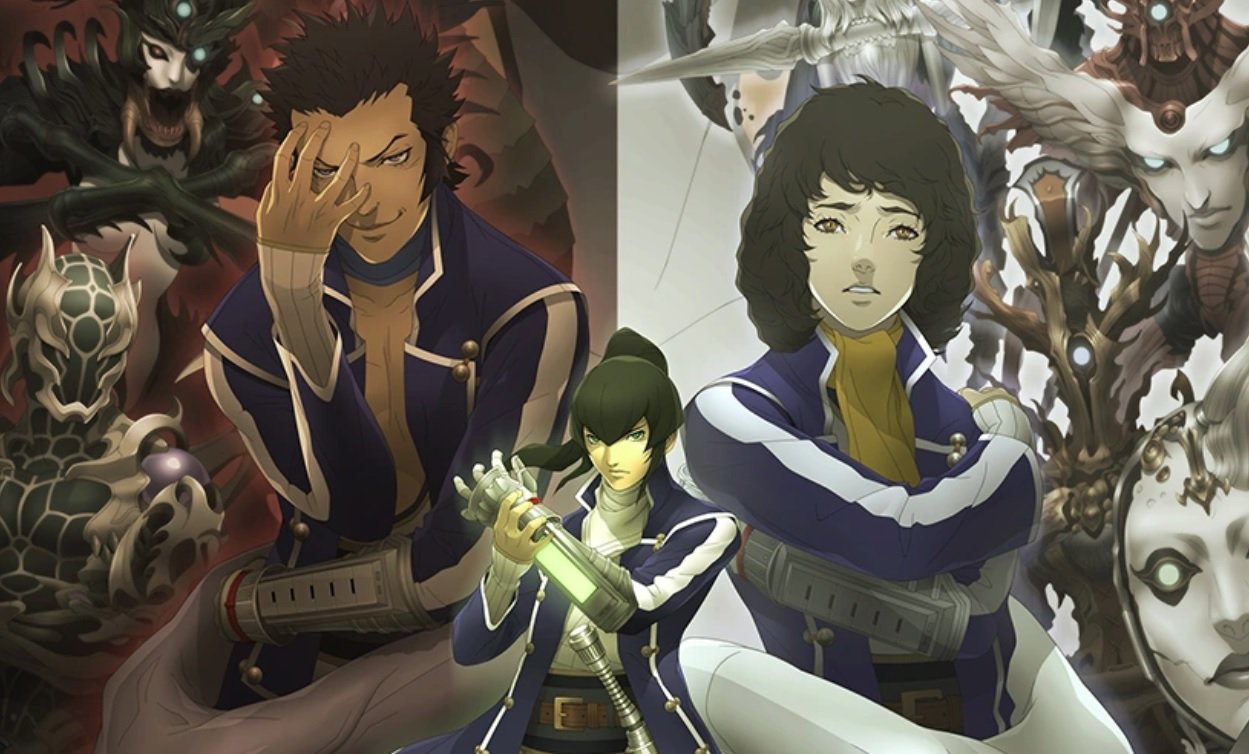
For those keeping tabs on Kazuma Kaneko’s recent activities on X, the acclaimed artist behind the Megami Tensei series and early Persona titles has been actively engaging fans by answering questions and offering insights into his past and upcoming works.
Kaneko recently tackled a persistent rumor concerning the so-called “Masakado curse” allegedly affecting Atlus, which supposedly contributed to the financial downfall of Index, Atlus’ parent company. This urban legend, popular among Megami Tensei enthusiasts in Japan, claims that Index’s bankruptcy followed Shin Megami Tensei IV’s developers abandoning their tradition of visiting Masakado’s tomb to pay respects. Compounding the issue, Masakado is a significant character in SMT IV’s storyline, leading many to believe this further angered his spirit.
In his X post, Kaneko refutes any notion that Masakado brought misfortune to Atlus, attributing the story to media exaggeration. However, it’s true that Megami Tensei’s creators held a cautious regard for the deities and demons featured in their games, maintaining a tradition of undergoing exorcisms during development. While Masakado isn’t explicitly named, interviews confirm instances where the team deviated from this practice.
During an interview with Dengeki Online, director Kazuyuki Yamai admitted he intentionally skipped the exorcism ritual for SMT IV, embracing the risk of “being cursed.” He explained, “This aligns with my personal stance on the occult—I believe it’s acceptable to embrace a bit of [the curse], given the game’s deep connection to demons. It would feel somewhat disrespectful, or perhaps insincere, to create such a game while simultaneously exorcising all the demons. That’s my personal view, though. I believe it would be fitting if I ended up experiencing a touch of curse and faced some consequences.”

Just months after this interview and SMT IV’s release, Index officially declared bankruptcy. Given Atlus’s history with supernatural anecdotes—including prior, though minor, mentions of the Masakado curse and the Miyaguji-sama curse—it’s unsurprising that fans and occult enthusiasts drew parallels, blaming SMT IV’s “broken tradition” for the bankruptcy. Masakado’s role likely stems from his importance in the game’s narrative and his reputation as a Great Onryo due to real-world curse legends.
Historically, Megami Tensei’s Masakado is inspired by Taira no Masakado, a samurai from Japan’s Heian period (8th to 12th century). Hailing from Eastern Japan, he led rebellions against Kyoto’s imperial court before being killed in battle and decapitated. His severed head was transported to Edo (modern-day Tokyo) and interred near Otemachi Station in Chiyoda City. Over time, Taira no Masakado was revered as a demigod, recognized as one of Japan’s Three Great Onryo. He is enshrined in numerous Shinto shrines across Japan.
According to legend, Masakado’s vengeful spirit has haunted Tokyo for centuries, bringing misfortune to those who desecrate his resting place or neglect to pay homage. Notably, he’s said to have cursed Japan’s Ministry of Finance for constructing a temporary office atop his tomb following the Great Kanto Earthquake of 1923. Many workers, officials, and even Minister Hayami Seiji died under mysterious circumstances after the building’s completion. Though the office was later demolished, 17 years later, Ministry of Finance buildings were destroyed by a lightning-induced fire, also attributed to the curse.
Given these accounts, it’s easy to see why some might believe Masakado’s spirit plagued Atlus during Index’s bankruptcy announcement. However, Kaneko remains unimpressed by the extent of the rumors.
Related: Megami Tensei artist Kazuma Kaneko says there are no plans to use gen AI in his next project