

Culture Otaku
Kenjiro Tsuda sues TikTok: Demands deletion of videos cloning his voice using AI
The renowned voice actor has launched an unprecedented legal battle in Japan to demand the removal of videos replicating his tone exactly without his consent.
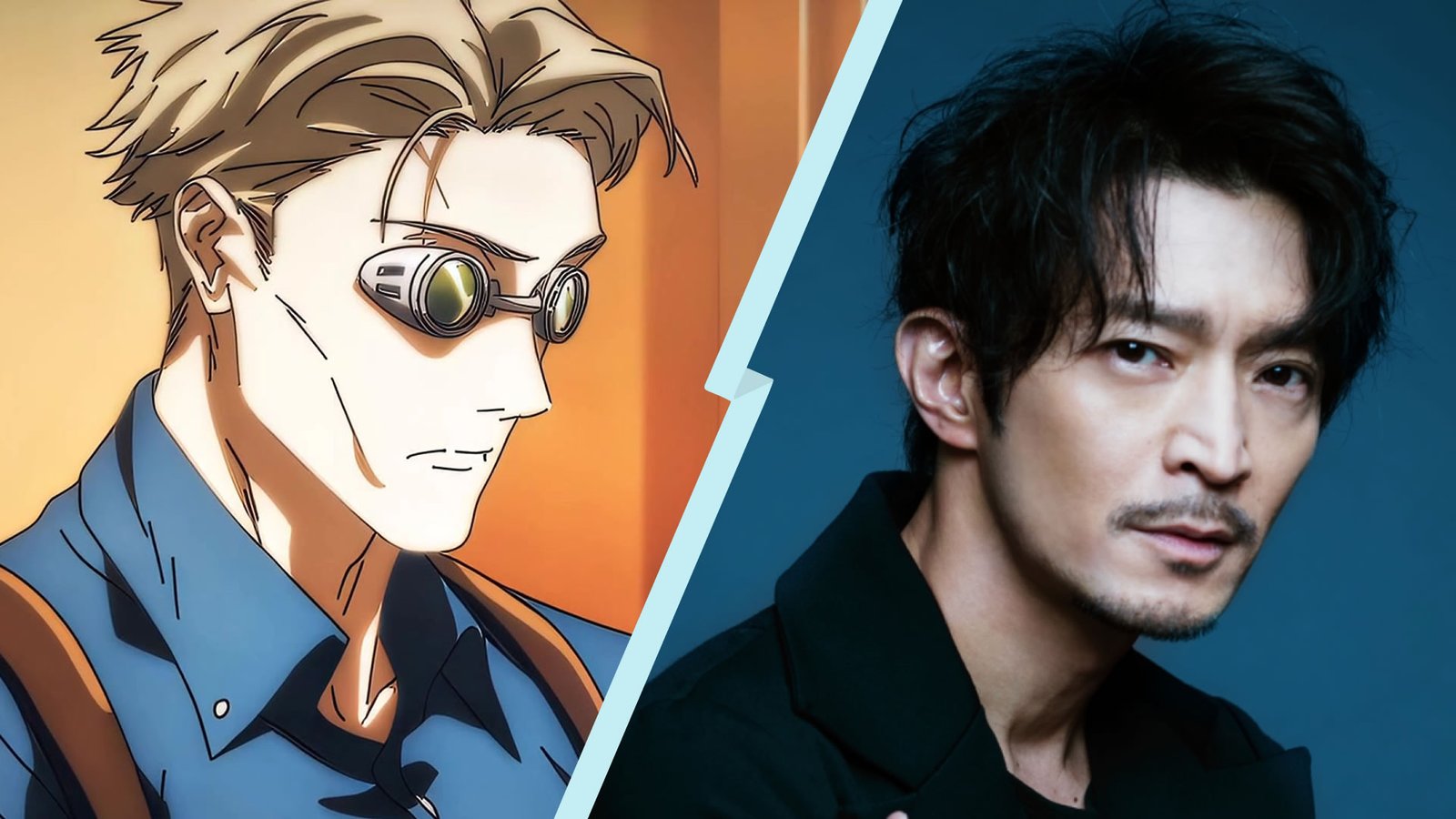
Any anime fan immediately recognizes that deep, elegant voice the moment a character speaks on screen. Kenjiro Tsuda has built a legendary career based on his unmistakable vocal tone, but recent technological advances have forced him to take drastic measures. In an unprecedented move for Japan’s entertainment industry, the 54-year-old actor filed a formal lawsuit against the company operating TikTok, demanding the immediate removal of multiple videos using generative AI to mimic his voice without any authorization or compensation.

The threat of digital cloning
The case, originally filed with the Tokyo District Court last year, centers on the blatant use of digital tools to replicate his sonic identity. The actor’s lawyers pointed out that the videos on the platform not only copy his voice with chilling accuracy, but users in the comments section confirm the similarity with phrases like “sounds exactly like Tsuda Ken,” evidence being used in his favor in court. For a professional whose main tool is their vocal ability, allowing third-party apps to generate hyperrealistic dialogues without paying royalties or seeking permission poses an absolute danger to their career and reputation.
Here are video clips made with AI, using the seiyuu’s voice.
A trial that will change the rules of the game
This legal battle is drawing attention from all talent agencies in the country, as it will mark a before and after in digital rights protection. With the first oral hearings scheduled for the upcoming summer, judges will have to decide if these imitations cross the line into unfair competition and violation of personal image. The resolution of this conflict will force major corporations to rethink their security filters, showing that technology advances much faster than the laws meant to protect artists from talent exploitation.
This incident reminds us that behind the fun computer-generated audio circulating online, there is a huge legal vacuum that leaves original creators completely unprotected. Knowing that replicating a lifetime’s work now only takes a few clicks and a free program, do you think social media should automatically block any AI-generated content mimicking real people, or do you believe it’s an impossible responsibility for platforms to control?

Outrage over Clannad: Streamer laughs at anime characters and fans won’t forgive them
