
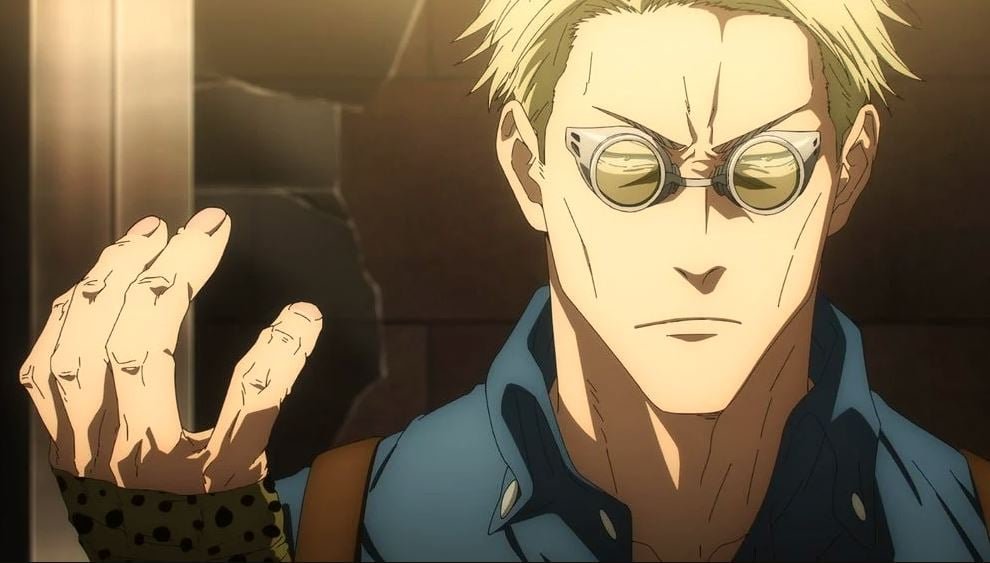


Renowned Japanese voice actor Kenjiro Tsuda, celebrated for his work in popular anime such as Jujutsu Kaisen and Chainsaw Man, has been unsuccessful in a legal battle against TikTok regarding AI-generated videos mimicking his voice. The Tokyo District Court rejected his claims on September 30, (as reported by The Nikkei) due to the videos already being removed from the platform. Nevertheless, the court’s decision establishes a notable precedent regarding the legal safeguards for the voices of voice actors and celebrities in Japan.
Initiated in November 2025 and announced in May this year, Tsuda’s lawsuit demanded the immediate removal of over 180 videos posted by an anonymous account with more than 210,000 followers. These videos contained AI-generated narrations of everyday facts and urban legends, using a voice remarkably similar to Tsuda’s, and reportedly earned between $3k and $4.7k monthly.
Tsuda’s legal team contended that the videos were designed to deceive viewers into believing the AI voice was his actual voice, asserting a breach of Japan’s Unfair Competition Prevention Act and Tsuda’s publicity rights, which safeguard the commercial value tied to a celebrity’s identity.
TikTok countered that the narration utilized a “standard male voice” and noted the uploader had clarified on an external platform that the voice in their videos was AI-generated, trained on the voice of a friend. They maintained that the videos did not violate any laws or infringe upon Tsuda’s rights.
The problematic account had been deleted by May, and the data was reportedly no longer accessible on TikTok’s servers. Consequently, the defendant argued there was no longer a legal basis for the case and requested the claim be dismissed.
The Tokyo District Court rejected Tsuda’s claim due to the videos being deleted. However, the ruling is significant for affirming that a person’s voice is protected under publicity rights laws, a decision that, as Japanese media reports, sets a new legal precedent.
Recent years have seen several instances of unauthorized use of celebrities’ voices and likenesses in AI-generated videos and images. Yet, Japan lacks specific laws protecting voice rights, prompting organizations representing voice actors and others to intensely advocate for legal changes as the issue escalates.
Japan’s Ministry of Justice and Ministry of Economy, Trade and Industry have proposed guidelines suggesting that voices, akin to likenesses, could be protected under “publicity rights” and the Unfair Competition Prevention Act. However, no court rulings have previously acknowledged infringement of voice-related rights, making this Tsuda case ruling particularly noteworthy.