
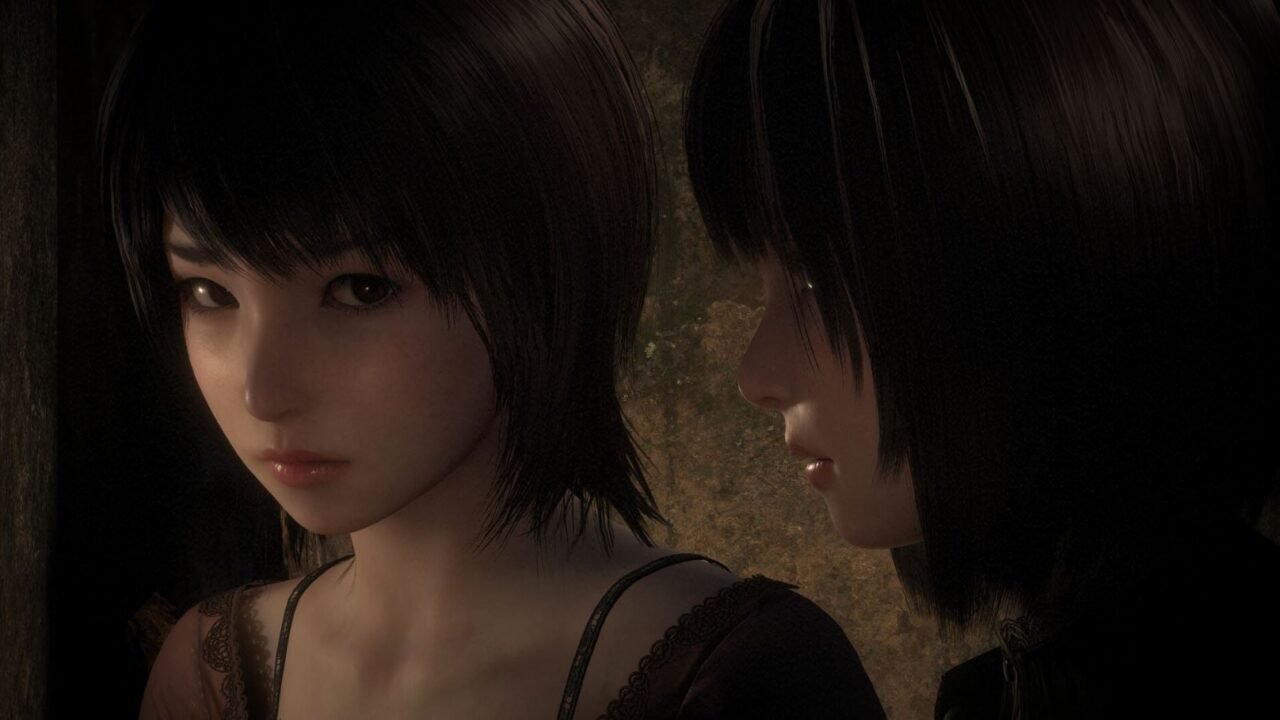



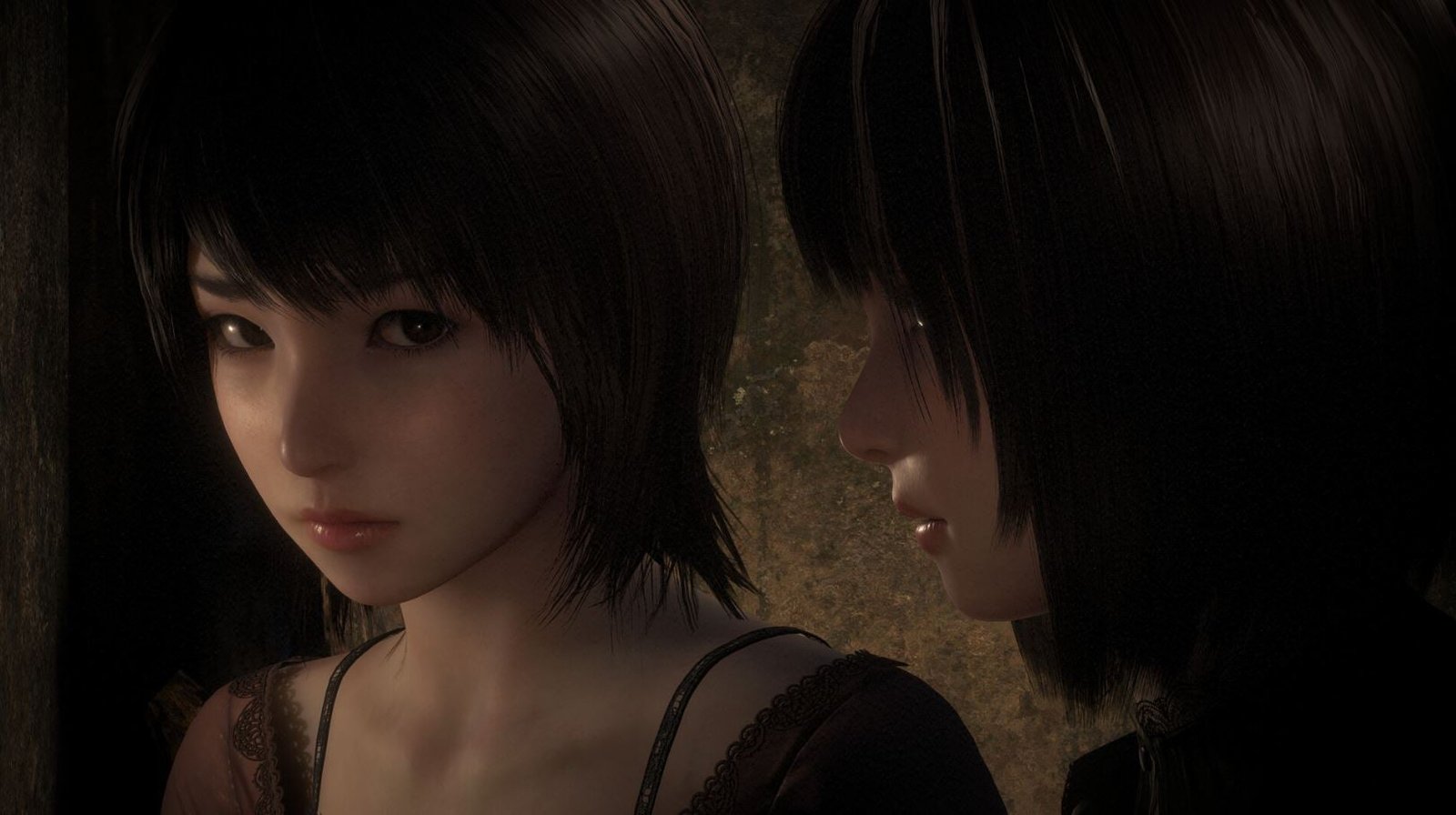
Silent Hill series producer Motoi Okamoto and Fatal Frame series creator Makoto Shibata recently engaged in a roundtable discussion with Dengeki Online, celebrating the partnership between Silent Hill f and Fatal Frame II: Crimson Butterfly Remake released this summer. The developers explored the hallmarks of “Showa-era horror” and the frequent portrayal of women in leading roles within the J-horror genre.
Both Fatal Frame and Silent Hill f are set during Japan’s Showa period (1926 to 1989), yet the developers clarified that their motivations for selecting the era differ. For Fatal Frame, Shibata mentions it was about utilizing a “pre-mobile phone era,” specifically the 1980s. Conversely, Silent Hill f is placed earlier, around the 1960s. Okamoto explains he envisioned a time when “yokai could have seemed plausible, an era when folk beliefs, supernatural tales, and accounts of such entities were just starting to fade away.”
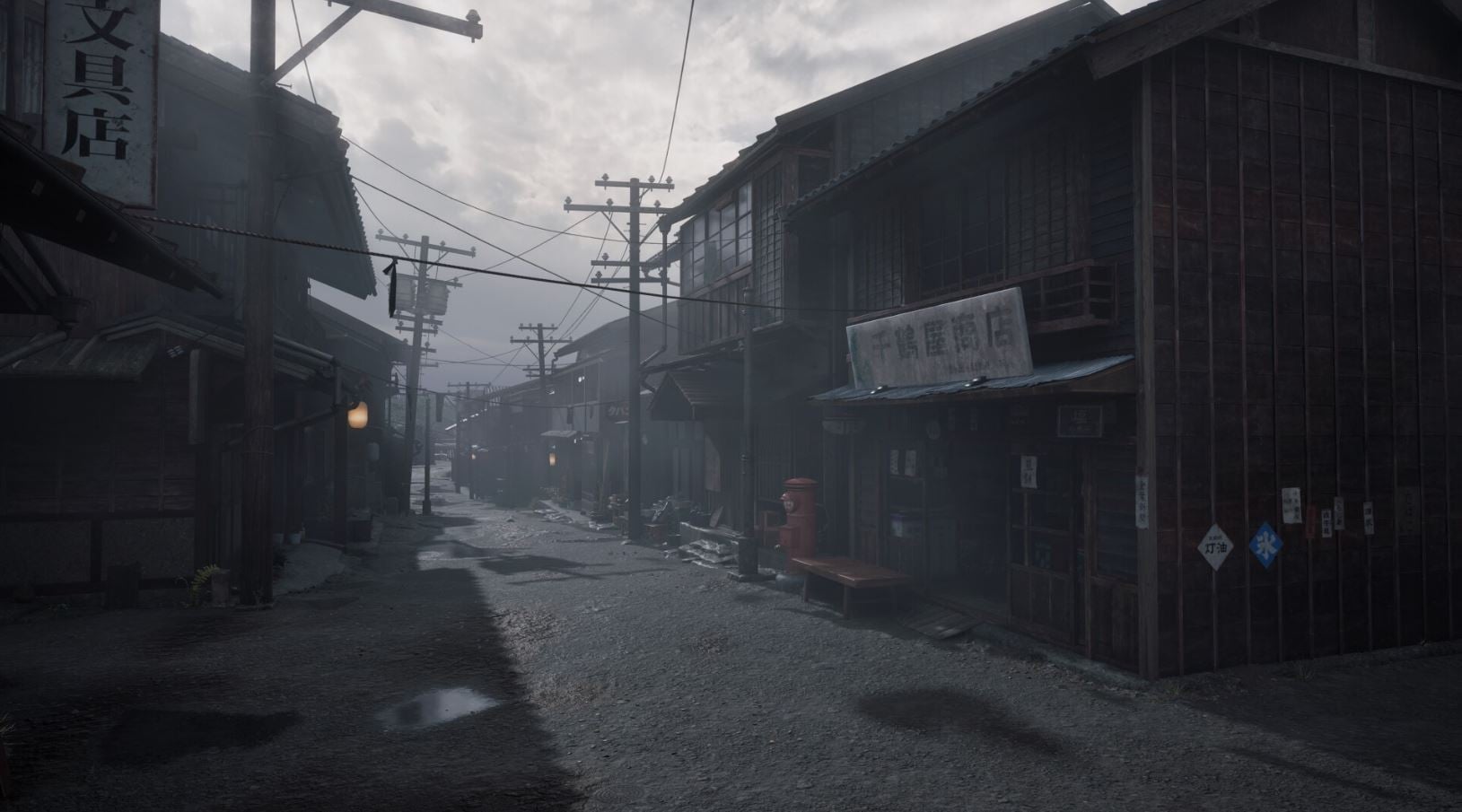
Shibata notes that, from a contemporary perspective, this early Showa period feels nearly like a fantasy backdrop. He further suggests that the introduction of mobile phones in the 90s, which aligned with the “J-horror boom,” established a significant distinction between horror works set before and after the mobile phone era (with 2003’s One Missed Call being a prime example of the latter). Regarding J-horror set prior to mobile phone proliferation, Shibata proposes such works could be viewed as “Japan’s version of gothic horror.”
Okamoto concurs with this analogy, stating, “It’s akin to journeying by horse-drawn carriage to Dracula’s castle in Transylvania, except you find yourself in a Japanese village rich with ancient traditions.” A historical setting was especially crucial for Silent Hill f as its narrative tackles marital horror. Okamoto recalls being taken aback when scenario writer Ryukishi07 proposed “marriage” as the game’s central motif. However, he came to appreciate setting the story in an earlier time, when arranged marriages were still prevalent. He also points to the rising momentum of women’s rights movements from the 1960s onward, indicating that this period provided an apt backdrop for a vision of Japan on the cusp of modernization, before it fully transformed into the contemporary nation familiar to audiences.
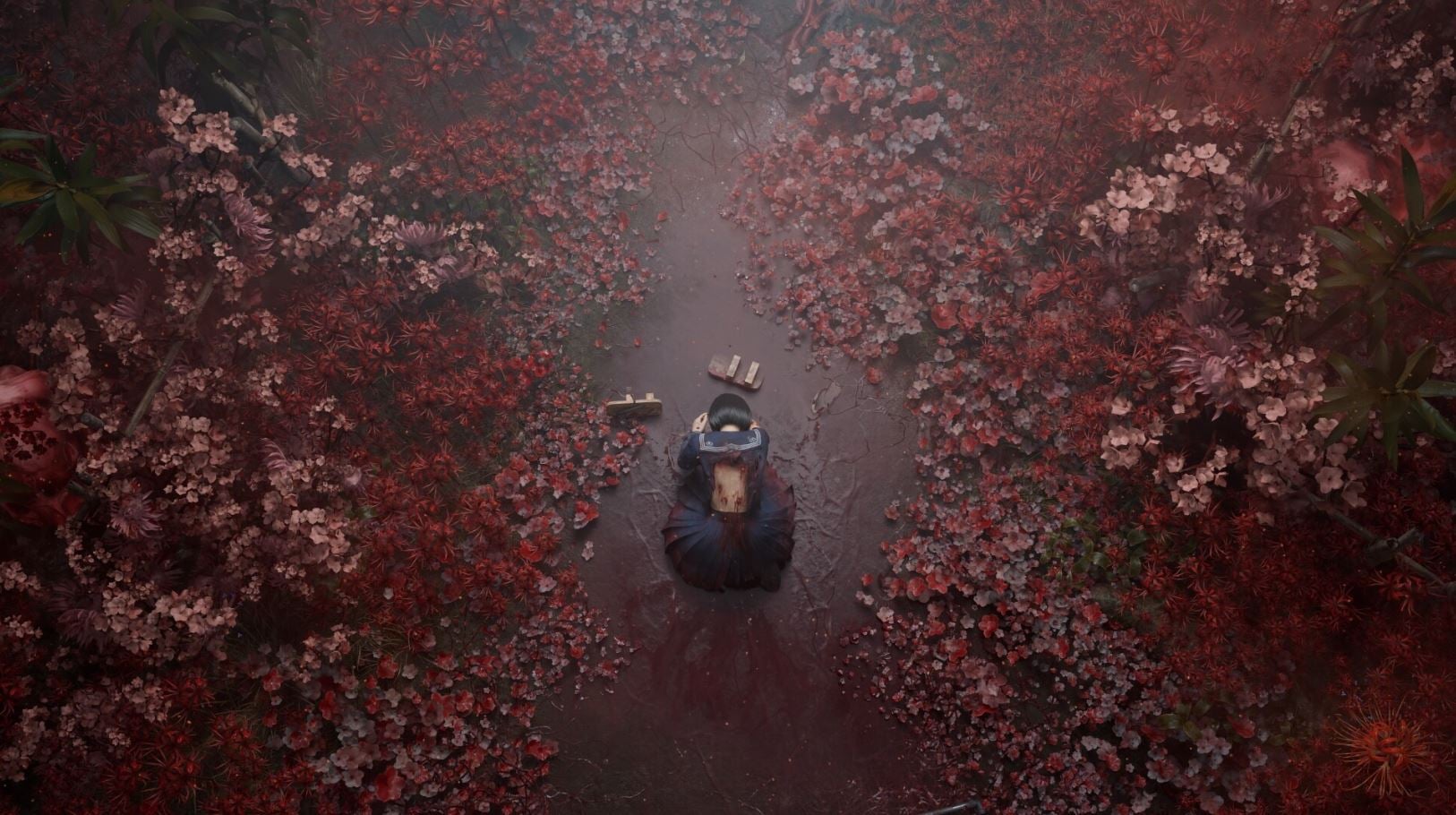
On the subject of women’s rights, Okamoto and Shibata also shared thought-provoking insights into the prominent role female characters, both heroes and villains, frequently assume in Japanese horror; and how this connects to oppression. Fatal Frame has traditionally centered on female protagonists, while Silent Hill f’s Hinako is the series’ second female lead following Silent Hill 3, a title that delved into themes such as forced pregnancy and childbirth.
Regarding the common J-horror trope of female ghosts, which are central to Fatal Frame as well, Shibata posits this is linked to ghosts often being envisioned as innocent figures who endured oppression before their demise. “They might be physically frail, but their spirits and supernatural abilities are potent, making the ghost of a seemingly defenseless woman especially terrifying.”
Since such adversaries cannot be confronted physically, Fatal Frame necessitates that the protagonist learn about the ghost, comprehend it, and get as close as possible before she can finally lay it to rest. Shibata contends that a male protagonist would inevitably steer the game toward subduing or vanquishing the ghost, which is why the series has maintained its focus on female protagonists, often placed in circumstances mirroring the ghosts they encounter.
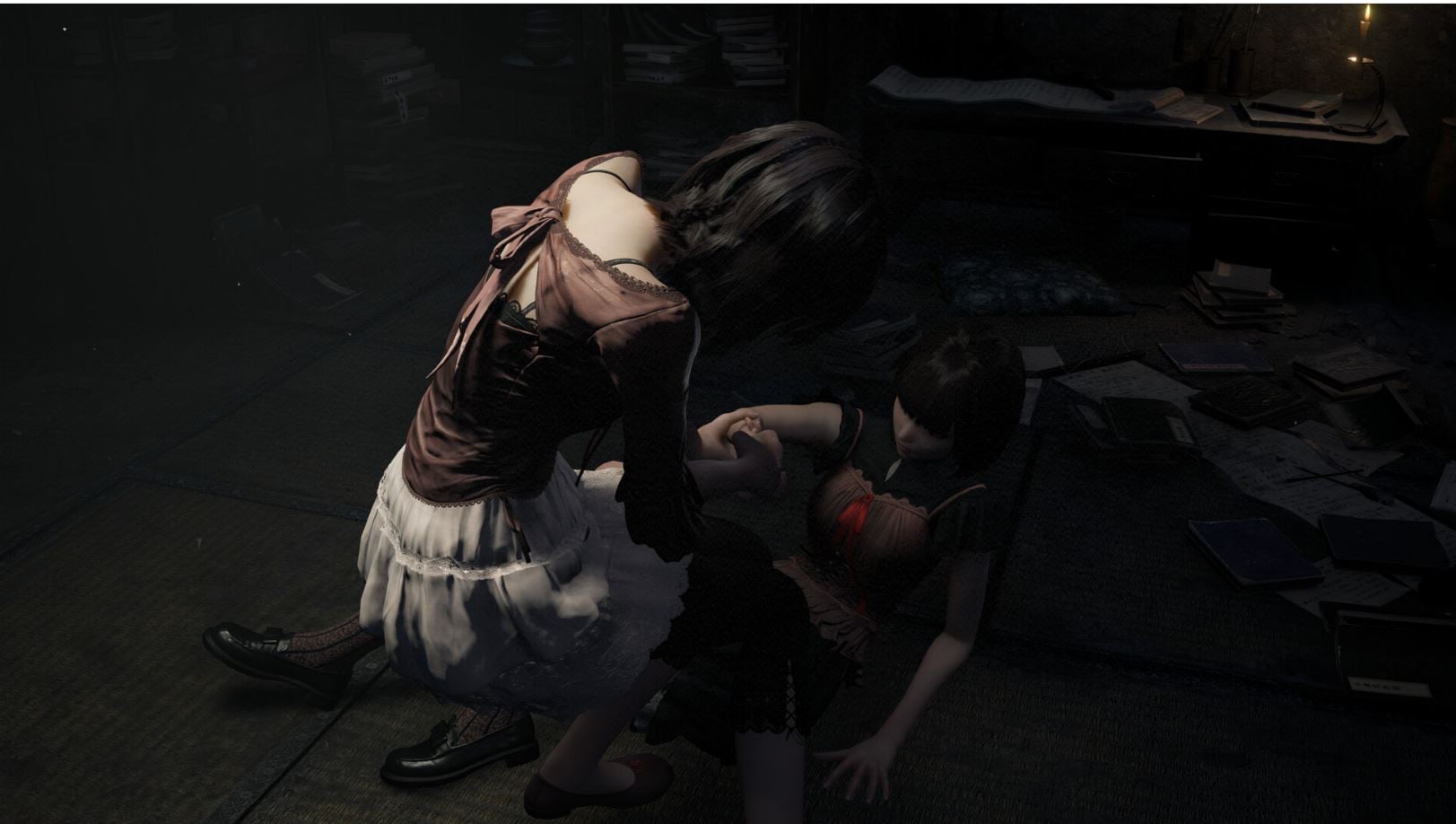
He added that there is a particular dread in the notion that resentment can endure even after death, particularly when that individual has suffered oppression. Okamoto tied this concept to Oiwa, the wronged woman at the heart of Yotsuya Kaidan, one of Japan’s most renowned ghost tales. He observed that the story is especially chilling because it has become linked with real-world accounts of “curses.” More broadly, he argued that the vengeful strength of women silenced within a patriarchal society is a component of Japan’s horror legacy.