





Japanese author and journalist Soichiro Matsutani has recently shed light on the deliberate “scarcity” of Studio Ghibli films within Japan. While Ghibli’s works are widely accessible on streaming services like Netflix and HBO Max for international viewers, they remain unavailable on any streaming platform in Japan. Instead, audiences in Japan typically have to wait for broadcasts by Nippon TV (Studio Ghibli’s parent company since 2023) or opt for physical media such as Blu-Rays.
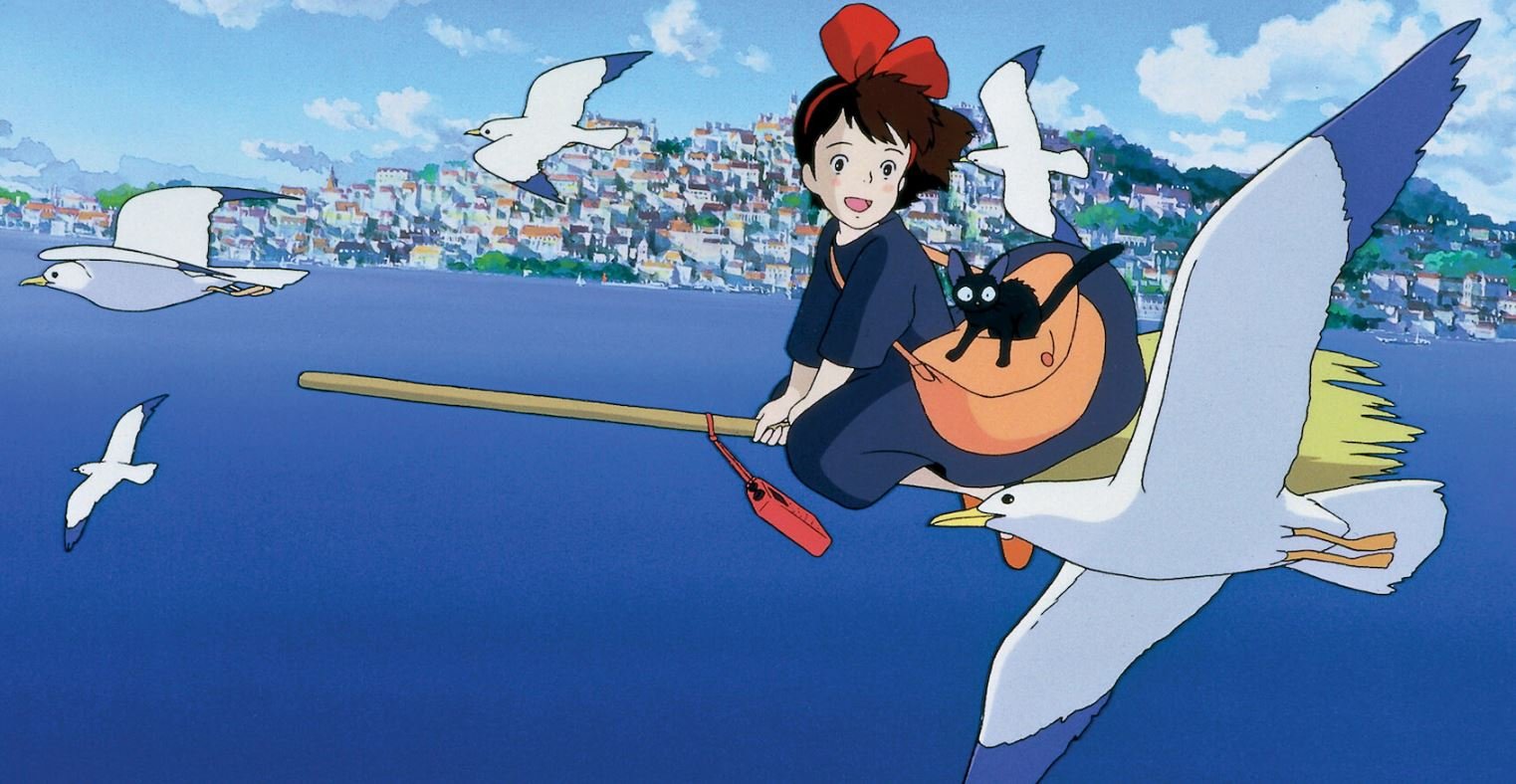
Furthermore, as Matsutani notes in an article for Yahoo Japan’s expert column, the wait for a Ghibli film to be broadcast on television can span years. For instance, in May 2026, Nippon TV’s “Friday Roadshow” will screen Kiki’s Delivery Service for the first time in four years, and Whisper of the Heart will return after a gap of over seven years. Matsutani questions whether such lengthy intervals are effectively introducing Studio Ghibli classics to younger generations.
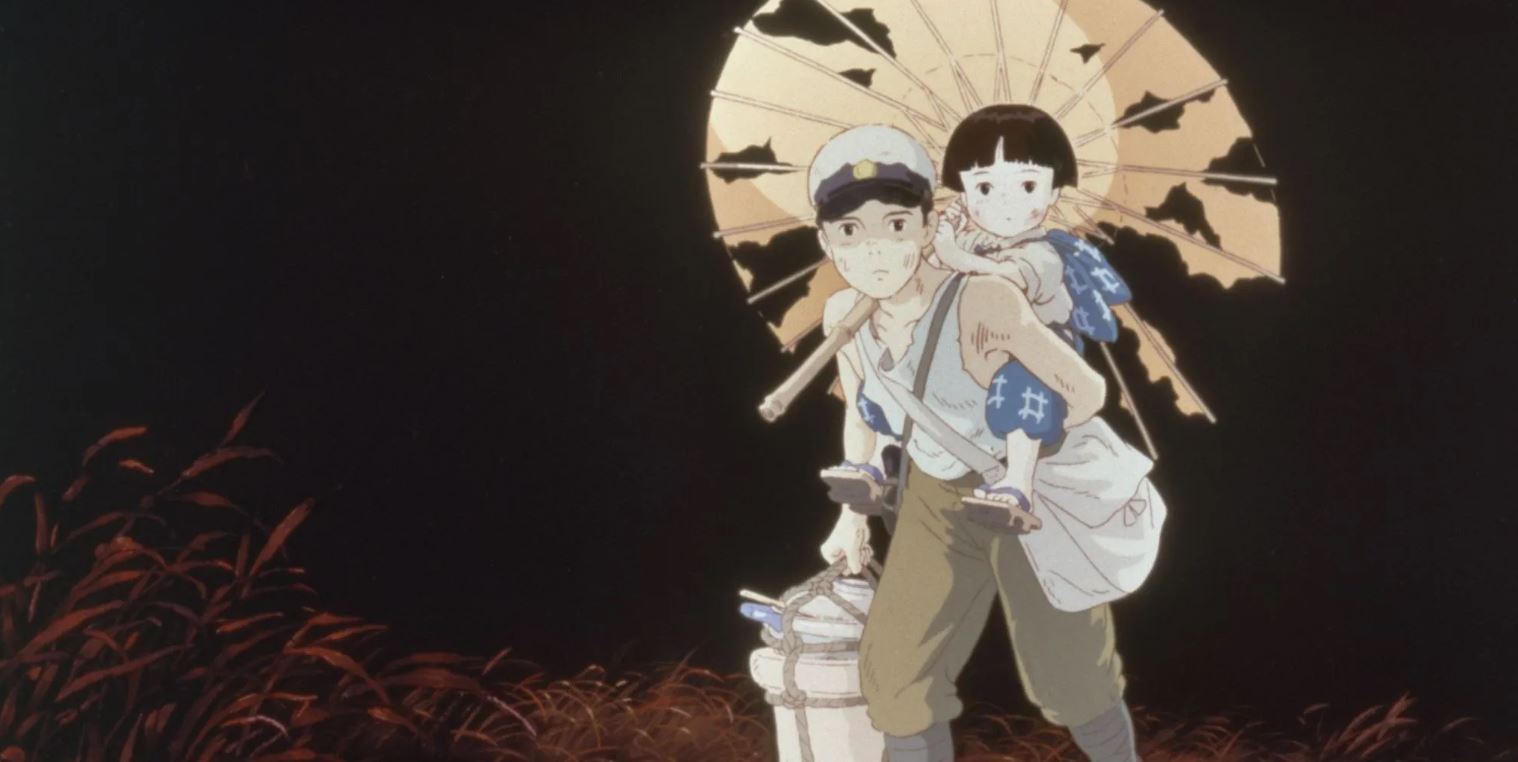
This issue disproportionately affects non-Miyazaki titles, including films directed by Isao Takahata or Hiromasa Yonebayashi, which receive even fewer broadcast opportunities. Although it’s understandable for Nippon TV to prioritize titles that guarantee stable ratings and high advertising revenue, Matsutani highlights that this approach has drastically reduced chances to watch many Ghibli films, risking their obscurity among viewers.
This seemingly archaic reliance on television appears intentional, given that Nippon TV owns the domestic streaming platform Hulu yet still hasn’t made Ghibli films available there. Matsutani speculates that by keeping the films difficult to access, the company aims to enhance their value through scarcity and secure consistent advertising revenue from four to eight annual broadcasts, thereby reinforcing the role of television.
However, as streaming platforms continue to dominate entertainment consumption, children who grow up without traditional television sets and are accustomed to “on demand” viewing have virtually no means to discover Studio Ghibli films. This could result in a “gap generation” that is familiar with Ghibli’s reputation but has never experienced their work firsthand.