

Manga
Hiroya Oku claims to be the pioneer of large breasts in manga
The creator of Gantz revealed that his industry colleagues called him perverted in the eighties.

Being an misunderstood visionary in the entertainment industry comes at a high cost, and the history of voluptuous designs in Japanese drawing is no exception. Hiroya Oku, the legendary mastermind behind iconic works like Gantz, has again sparked debate in the community by proudly reaffirming that he was the first mangaka in history in weekly magazines to dare to draw female characters with notably large breasts when no one else dared to do so.
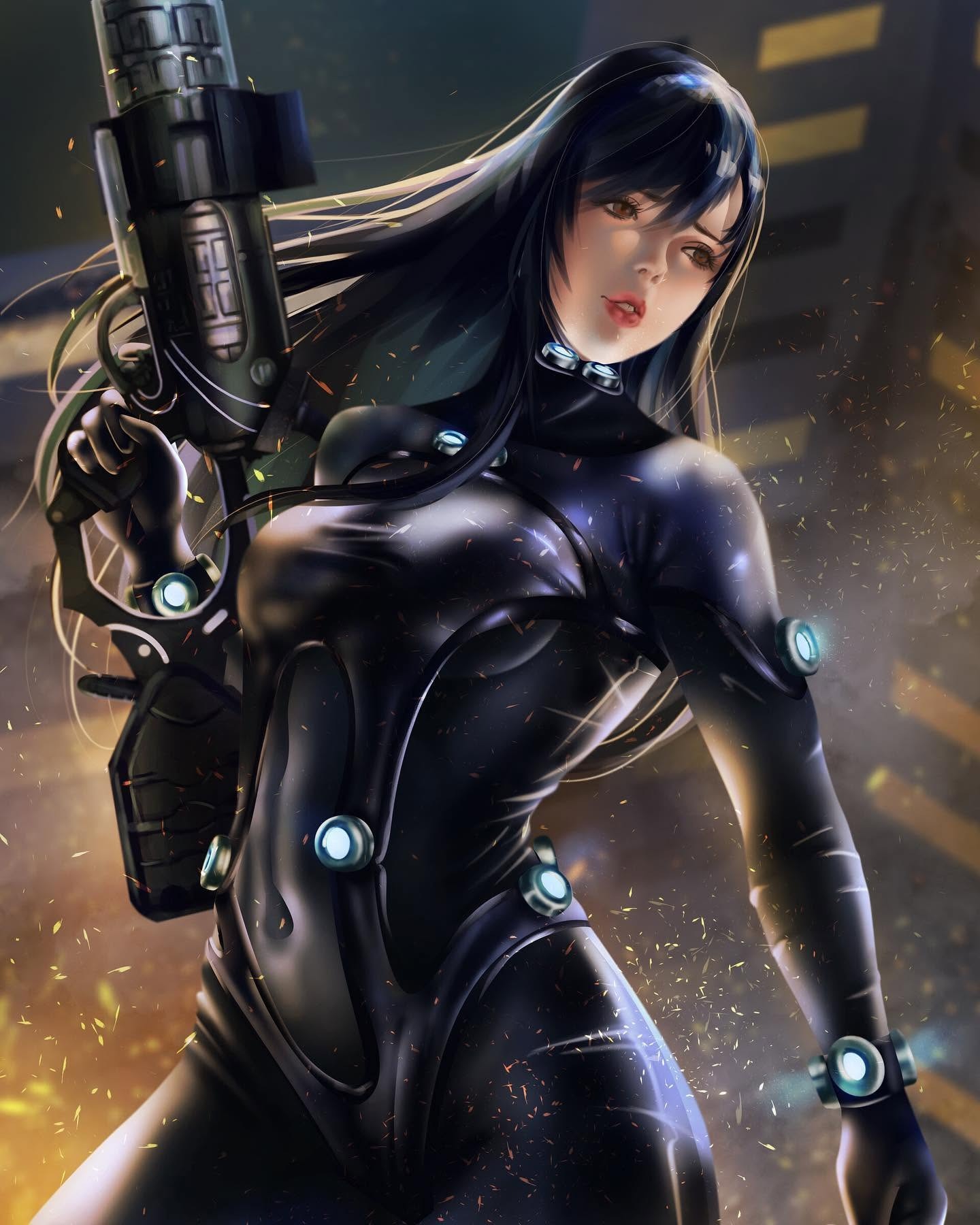
To understand the author’s merit, one must go back to the late 1980s, an era where exaggerated proportions were virtually banned from youth publications and ecchi content was almost non-existent in the mainstream market. When Oku debuted in Weekly Young Jump with his work Hen, his busty heroines completely stunned the veteran creators. The mangaka himself admitted that his more experienced colleagues openly called him “pervert” in the halls of the publishers, as even long-running and massive series like Kochikame maintained extremely modest and flat designs for women during that time.
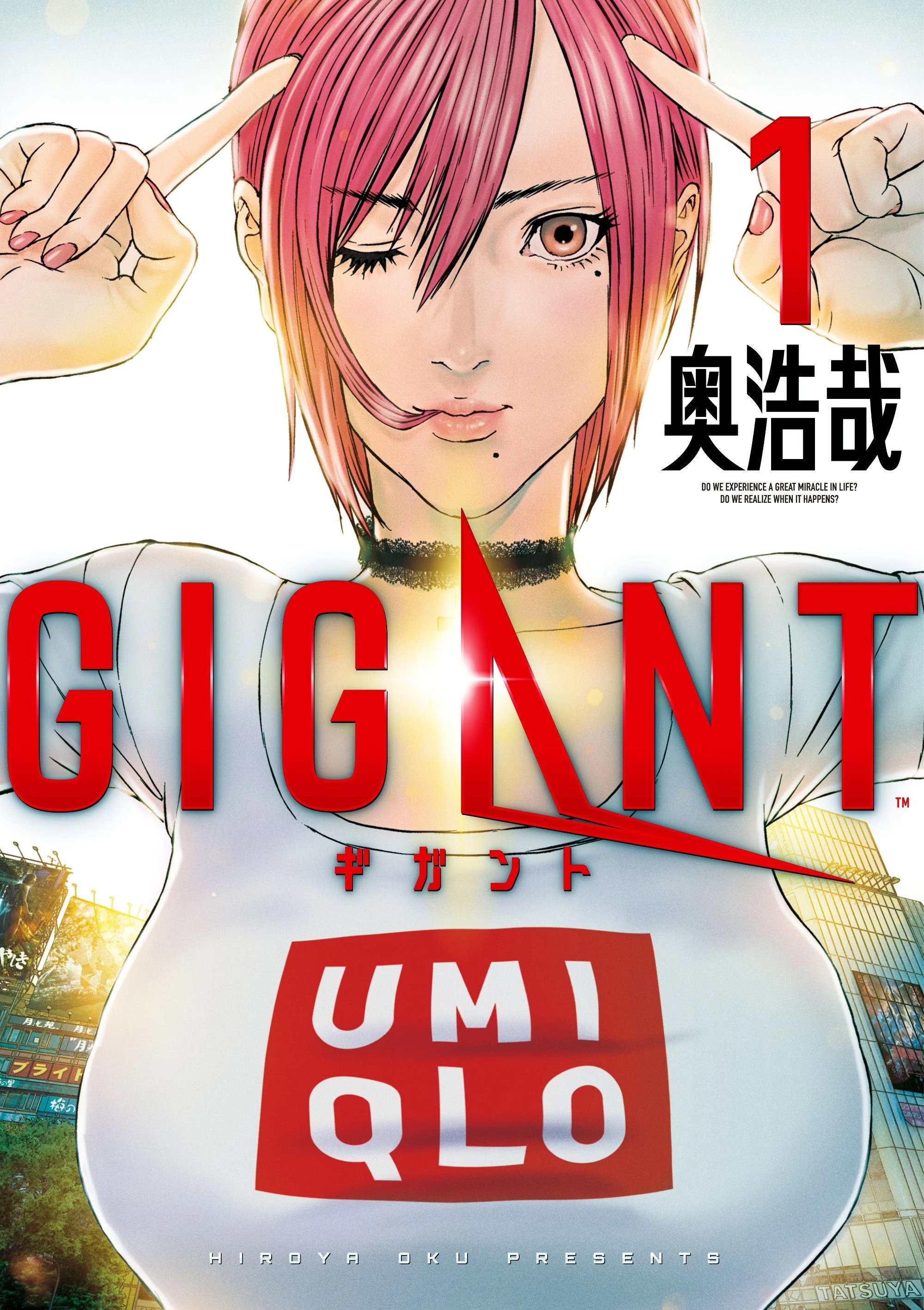
Despite the initial rejection from his professional peers, the author remained faithful to his tastes in every project he drew over more than three decades. That visual persistence was consolidated in otaku culture with the global success of Gantz in the early 2000s, continued with the over-the-top sci-fi comedy Gigant —where an actress increases her body size while keeping her attributes— and remains current in his latest work, Kanrekihime. Oku admitted he never imagined living long enough to witness an era where waifus of colossal proportions would go from being a laughingstock to becoming the default standard of the entire manga industry.
Knowing that today, extravagant and voluptuous designs dominate almost any story aimed at the male audience, do you think Hiroya Oku truly deserves the title of founding father of this visual style, or were there other authors from that era who paved the way before him?

Fans of Nana are insulted and the community steps up to defend them
