
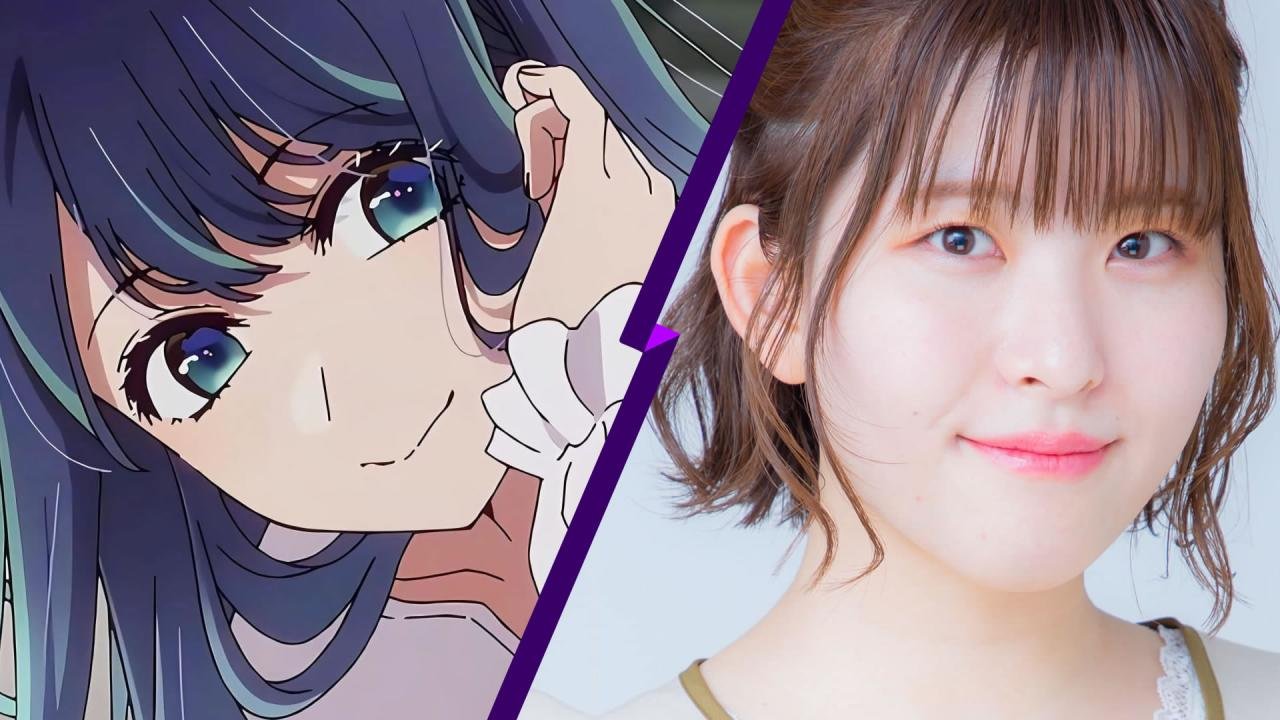
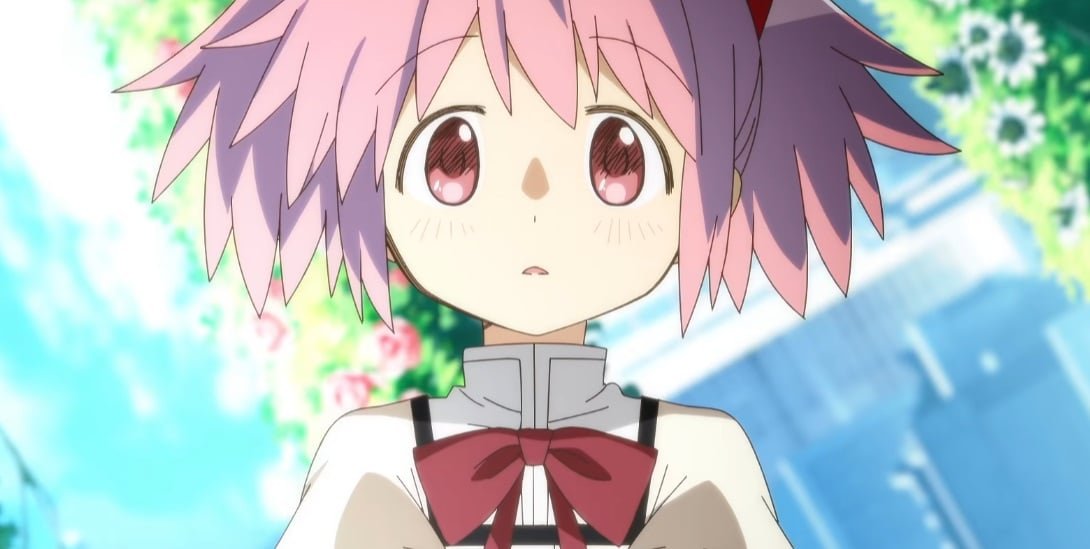
Following numerous postponements, Puella Magi Madoka Magica The Movie: Walpurgisnacht Rising finally debuted on August 28 in Japan. Arriving nearly 13 years after its predecessor, the film serves as a direct sequel to 2013’s Puella Magi Madoka Magica the Movie Part III: Rebellion and marks the first fresh installment in the anime’s “mainline” narrative. The movie has also screened in Taiwan, with plans for theatrical runs in Argentina, Hong Kong, and Germany. Details about a North American/English theatrical release remain pending.
In a recent conversation with Kyodo News, Gen Urobuchi of Nitroplus, the principal writer behind the original Puella Magi Madoka Magica series, discussed the film’s extended development timeline, the evolution of its story over the last decade, and why its conclusion feels less “harsh” than what fans might anticipate from his typical writing style.
Please be advised that this article includes minor spoilers for Puella Magi Madoka Magica The Movie: Walpurgisnacht Rising.
Urobuchi confesses that roughly a decade ago, he chose to step away from anime to focus on tokusatsu projects, as he lacked fresh ideas at the time. His decision to join Walpurgisnacht Rising came after Gekidan Inu Curry (the team responsible for the Madoka Magica series’ production design) approached him with an extensive idea notebook filled with concepts for the new film. “I never imagined I’d get the chance to work on a sequel, so it felt like I had all the ingredients to craft something special,” Urobuchi remarks.
The proposal arrived after he completed Kamen Rider Gaim (which aired from 2013 to 2014), and Urobuchi notes that 90% of the film’s content was already outlined thanks to Gekidan Inu Curry’s idea book: “Key elements like Nazuka Sokotsune, the model for Walpurgisnacht, and other major aspects were largely decided, leaving me to devise the conclusion.”
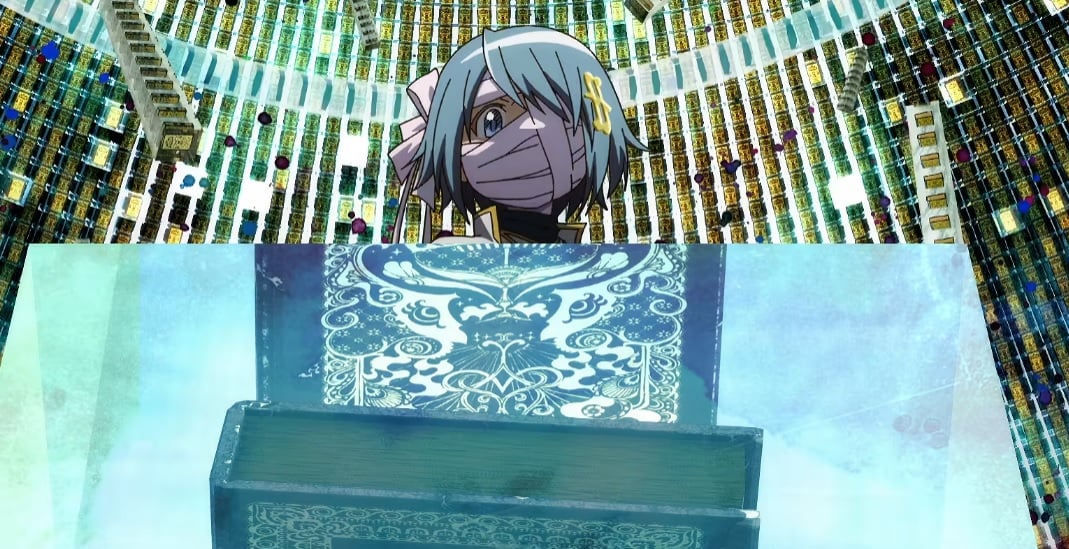
However, after drafting the initial ending, the process faced unexpected challenges. The film’s director, Akiyuki Shinbo, expressed a desire to “alter the ending,” and there were even talks about having another writer overhaul it entirely. Eventually, the team informed Urobuchi that they would revert to his original plan but with some adjustments to the conclusion he had initially written (according to Urobuchi, this occurred about 4 to 5 years ago).
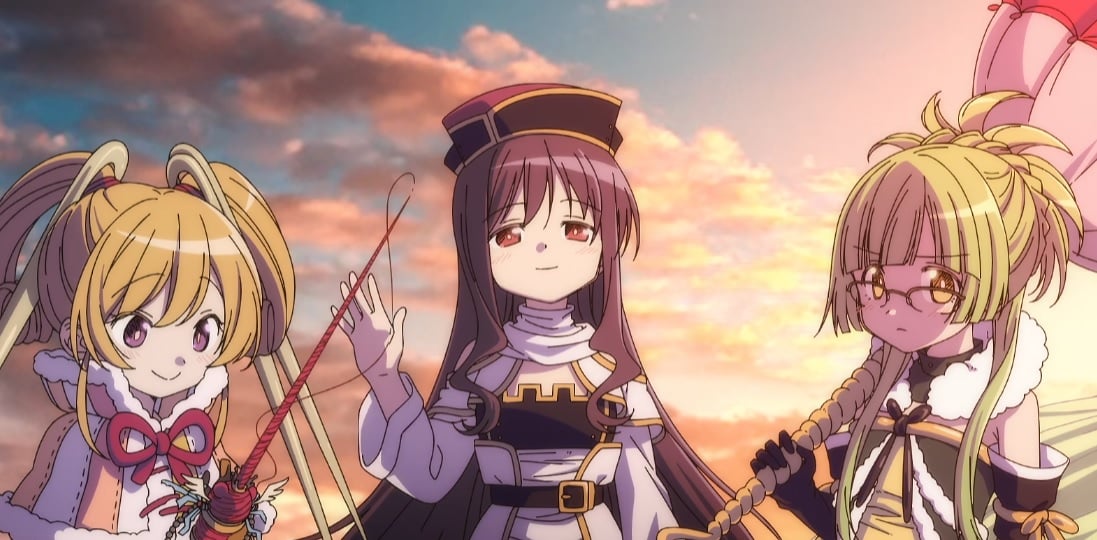
While the core narrative of the ending remained unchanged, its presentation to the audience was subtly refined. As Urobuchi explains, “The story follows the same path until the midpoint, and I sensed that they reworked it to convey a sense of resolution.”
“Typically, I’m inclined to eliminate characters, removing them from the plot. But this time, there were no jarring moments that would leave viewers stunned, which was a wise choice. By reducing the harshness, I believe the film became a more uplifting experience,” Urobuchi elaborates.