







The Gacha That Led Him to Bankruptcy: A Harsh Story of Gaming Addiction in Japan
A young man spent over $13,000 on gachas and went bankrupt after dropping out of university.

What starts as a simple hobby to unwind from daily stress can become an out-of-control spiral. The story of a man in his 30s in Nara Prefecture has raised alarms in Japan, after his obsession with video games and gacha pulls led him to drop out of university, lose his job, and end up in complete bankruptcy with a million-dollar debt.

His love for consoles began in childhood, playing about an hour a day in elementary school and increasing to three or four hours in middle school. When he entered a distant school requiring a one-hour daily train ride, he used each trip to play handheld consoles. Despite his parents urging him to improve his grades, the young man felt he could never meet their expectations and sought refuge in screens against constant family demands.
Upon entering university in eastern Japan, his habit worsened drastically during his first year’s summer break, when he discovered a six-versus-six online shooting game. Praise from his teammates via voice chat made him feel valued for the first time, completely changing his routine: he worked part-time until midnight, played until dawn, slept all day, and turned on the console again in the afternoon. After skipping classes, he dropped out of school two years later.
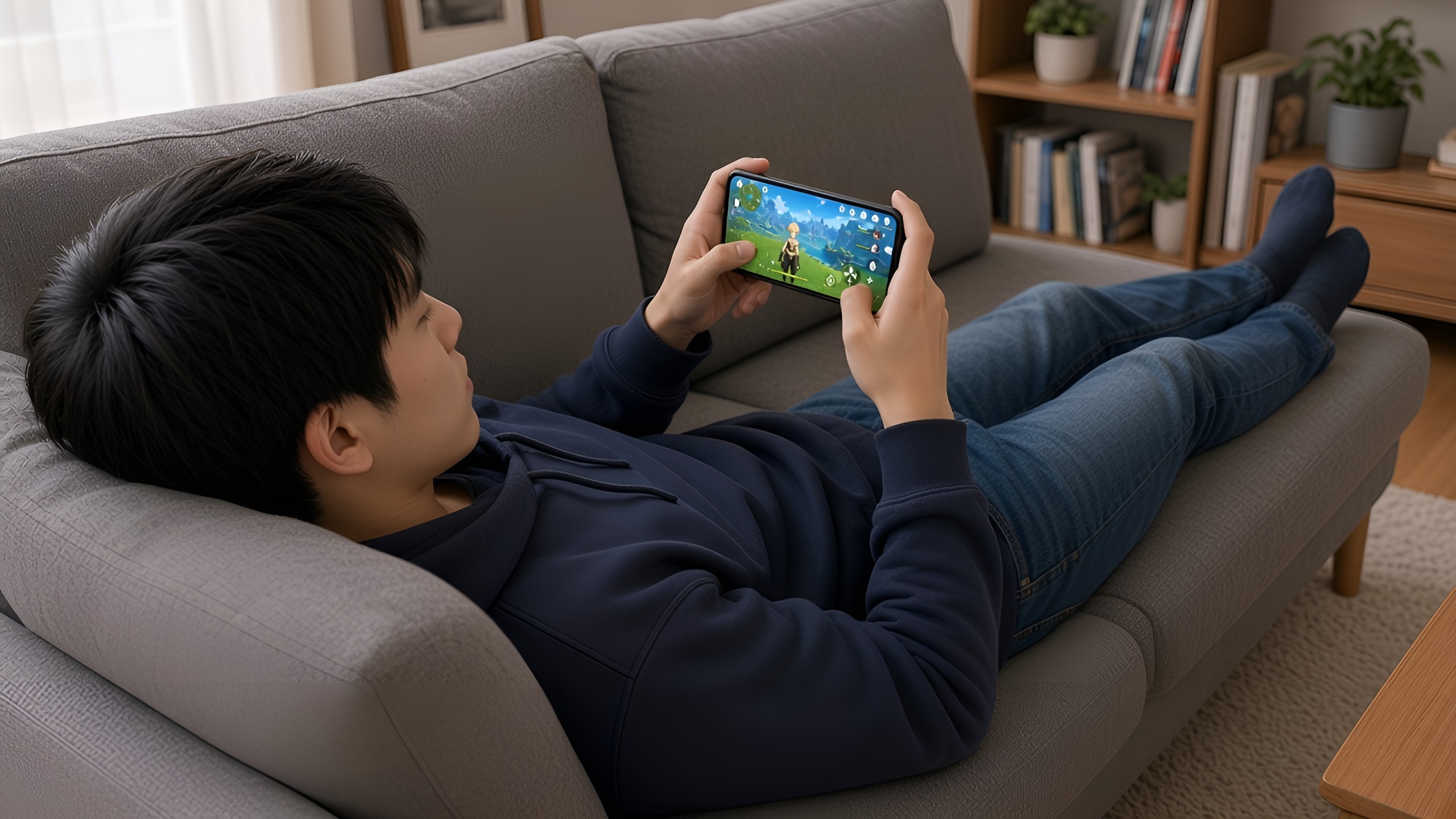
At 24, he got a sales job, but work stress pushed him to seek refuge in social smartphone games. To progress and collaborate with his team, he began spending exorbitant amounts on the gacha system, resorting to loans from consumer finance companies to fund his addiction. His mental health worsened, he quit his job, his electricity was cut off for non-payment, and he accumulated over $13,000 in debt (about two million yen), forcing him to declare personal bankruptcy at 30 before being admitted by his parents to a rehabilitation center.
Video game use disorder is a behavioral addiction formally recognized by the World Health Organization since 2019. According to specialists at the Kurihama Medical Center in Kanagawa Prefecture, this condition is diagnosed when a person loses control over gaming time, prioritizes screens over daily activities, continues playing despite severe negative consequences, and experiences serious problems in their family, academic, or work environment.

Recent studies reveal that over 12 percent of Japanese adolescents and 7 percent of young people in their twenties show signs of this disorder, becoming increasingly common among high school and even elementary students. While prefectures like Kagawa and local institutions have implemented recommendations to limit screen time to 60 minutes on weekdays, experts note that restrictions alone don’t solve the emotional background, emphasizing the need to mend family relationships and listen to young people’s personal struggles.
What do you think about the impact of gacha systems and how gaming addiction should be handled?

The games of Mashle and Roshidere embroiled in a massive financial scandal
