





Culture Otaku
The creator of Hatsune Miku reveals the multi-million dollar projects he rejected
Wataru Sasaki rejected collaborations with Touhou and idols to protect the singer’s essence.
11 September 2026

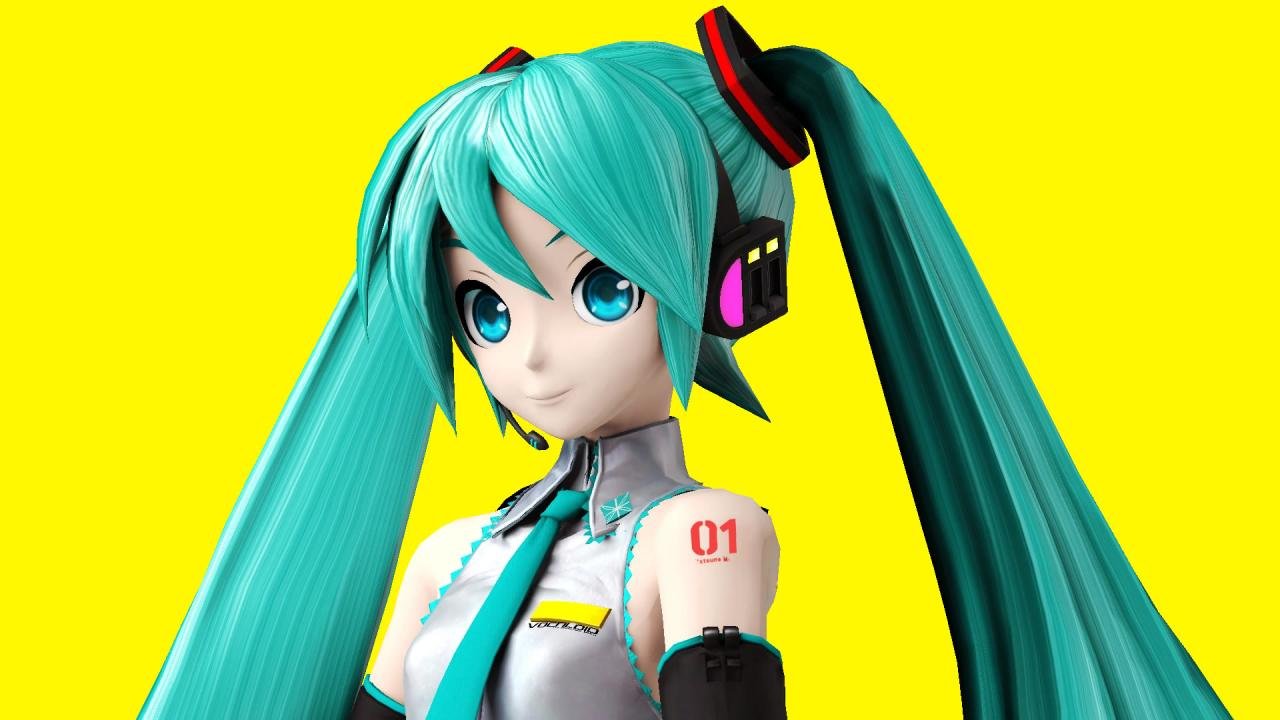
Reaching 19 years at the top of music is no small feat, especially when you’re a virtual singer born as a simple voice synthesizer program. Behind the global phenomenon that Hatsune Miku became, there are risky decisions and numerous rejected offers that could have changed her destiny forever.
The planning and development producer of Crypton Future Media, Wataru Sasaki, has shared fascinating details about the pop diva’s early years. After the software exploded in popularity following its launch in August 2007, companies quickly flooded Crypton’s offices with commercial proposals. Sasaki admitted that back then, he had to reject between 70 and 80 percent of the offers received to prevent the blue-haired singer’s identity from being confined to a single concept or official story.

Among the most impactful decisions was turning down an official collaboration with ZUN, creator of Touhou Project, managed through Kadokawa. Sasaki believed that such a major crossover so early would have been too controversial for the emerging scene. Instead, he preferred to let internet talent flourish organically on platforms like pixiv and YouTube, giving space to emerging producers and artists who rejected traditional hierarchies. Similarly, he declined proposals to turn the singer into a fixed figure in music TV programs or integrate her into a traditional idol group, prioritizing the creative freedom of users composing songs for her.
A legacy that continues to evolve
This protective strategy paid off over time, paving the way for a generation of artists who went from composing for this synthesizer to dominating Japan’s music industry, such as YOASOBI and the talented singer Ado. The franchise hasn’t stopped and remains more vibrant than ever: in April 2026, the Hatsune Miku V6 package was officially launched for Yamaha’s Vocaloid 6 engine, featuring illustrations by LAM and support for singing in Japanese and English. Additionally, the massive event Magical Mirai 2026 celebrated its fourteenth edition, gathering over 90,000 attendees in cities like Hamamatsu, Osaka, and Tokyo, confirming its next edition for 2027.

Developed by Crypton Future Media and released on August 31, 2007, Hatsune Miku is a voice library for Yamaha’s Vocaloid synthesizer software, with her original voice provided by voice actress Saki Fujita. Unlike its predecessors at the company, the anime girl version became a milestone of digital culture, allowing millions of creators worldwide to use her image to compose music, create illustrations, and produce multimedia content.
Did you know the story behind the projects Crypton had to reject to protect Hatsune Miku?

Bought his first pack due to anime Yani Neko and was ridiculed online
