




This week, Japanese indie developers have been sharing their encounters with publishers, cautioning peers about dubious practices prevalent in the industry. The conversation began on X when developer Shigefusa Works recounted a publisher who delayed signing a contract for a staggering 16 months, a story that gained significant attention earlier this week.
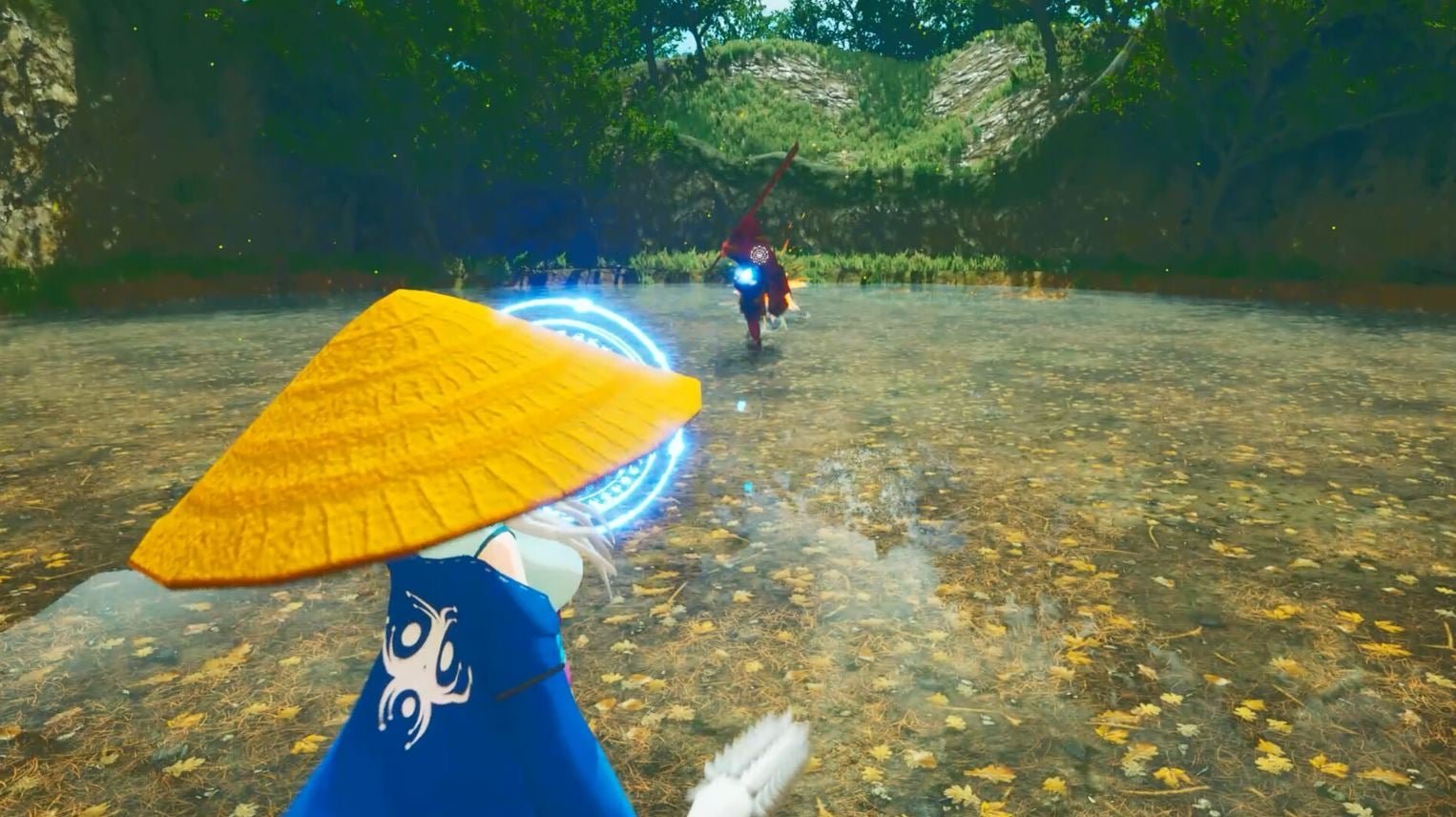
The discussion soon shifted to revenue distribution between developers and publishers. Japanese indie developer GraphicLatte, the mind behind the dark fantasy action RPG Gear Notes: Ogre Slayer, disclosed that during their game’s development phase, a publisher presented them with an absurd offer they initially failed to recognize as problematic. GraphicLatte was proposed a deal where the publisher would offer promotional assistance but contribute nothing to development costs, with a revenue split of 90% for the publisher and 10% for the developer.
“For instance, if the game earned 1 million yen in sales, and assuming Steam takes about 30%, that would leave approximately 700,000 yen. Then, if 90% of that went to the publisher, we would only receive around 70,000 yen. Once development costs were factored in, the deal would have been unsustainable for us.”
The developer admits that at the time, their lack of industry knowledge and relief at securing a publishing deal led them to wonder if such terms were standard. Fortunately, negotiations with the publisher did not proceed.
Reflecting on the experience, GraphicLatte states, “I understand that publishers need to prioritize profitability. However, I hope they view developers not as one-sided business partners, but as equal collaborators in creating games.”

Masahiko Nakamura, CEO of game company Indie-Us-Games, used the opportunity to outline typical revenue sharing arrangements within the Japanese industry based on contract terms.
According to Nakamura, when a publisher provides only promotional support without covering development costs, a 1:9 or 2:8 split is considered fair, with the developer receiving the larger share. He believes a standard split varies as follows depending on the publisher’s contributions:
Promotion only: 1:9 or 2:8
Promotion, localization, and QA: 3:7
Support for console platforms: 4:6
Physical release: 5:5
Full development funding: 8:2
He noted that each subsequent tier includes the services and support mentioned in the previous ones. These figures are based on his personal experience and may not be definitive standards, but they align closely with revenue splits commonly observed among domestic indie developers. Nakamura advised developers to remain vigilant, as some publishers are genuinely untrustworthy.