




Last week, Japan’s Patent Office (JPO) issued a notice of rejection for Nintendo and The Pokémon Company’s divisional patent application No. 2026-019762. This application detailed an “in-game monster-capturing system” and is directly linked to the ongoing legal battle with Palworld developer Pocketpair, which explains the significant attention the rejection has garnered.
Interestingly, Japanese users have noted the unusually harsh language used by the JPO’s examiner when responding to Nintendo’s counterarguments. People have been sharing their favorite quotes from the legal exchange. Industry experts, including Japanese patent attorney Kiyoshi Kurihara, have similarly remarked that both Nintendo’s objections and the examiner’s response contained elements rarely seen in typical patent proceedings.
One of the primary reasons for the patent’s rejection was a YouTube gameplay video from 2013 showcasing the indie fan game Pokémon Generations. The JPO initially cited gameplay mechanics in the video, arguing that they demonstrated a lack of inventive step in Nintendo’s application. The office described actions like “selecting a Poké Ball at the bottom right of the screen causes Ash to throw it; if it hits Pikachu, Pikachu can be captured.”
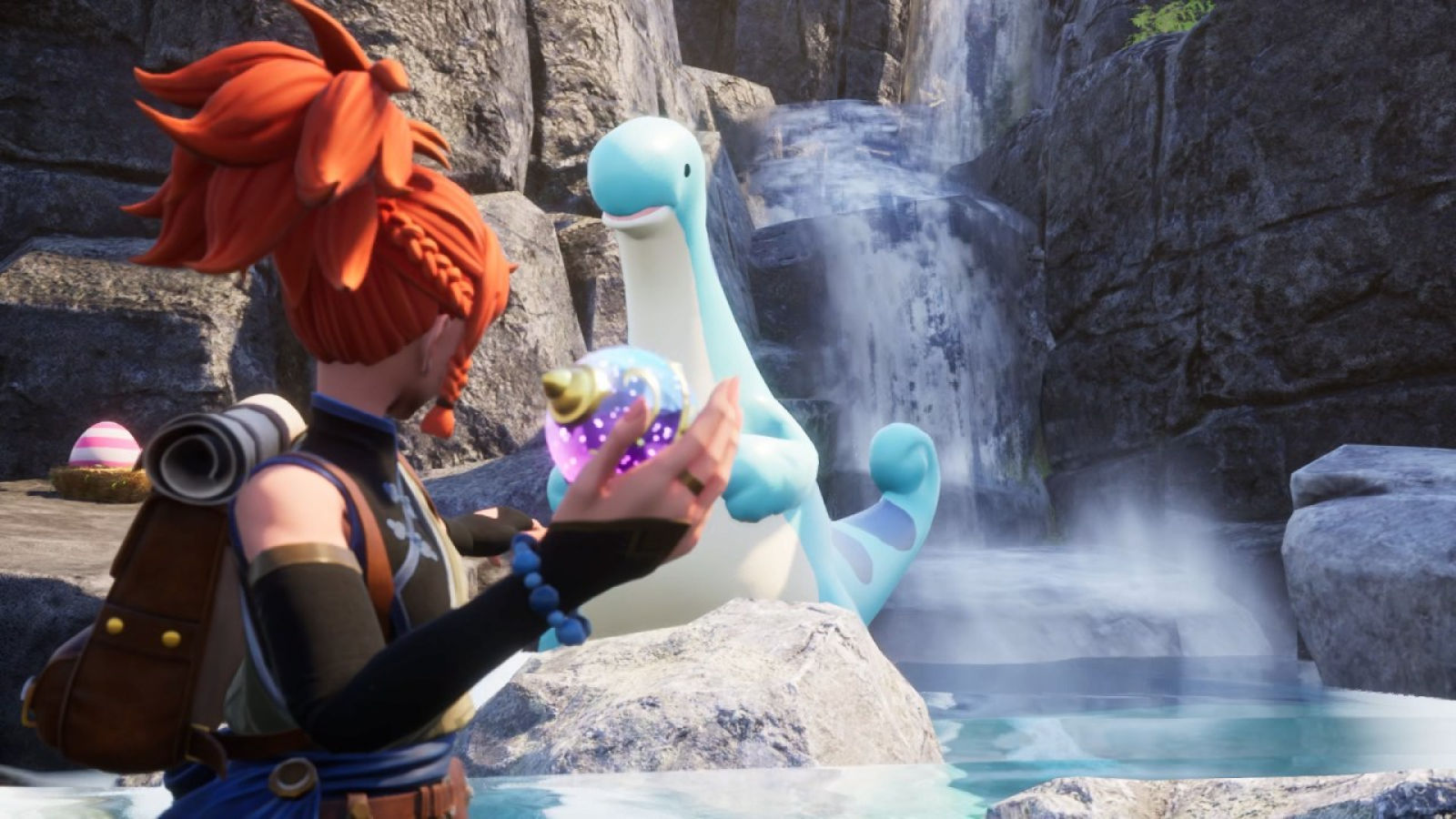
However, Nintendo strongly contested these claims in its counterargument, insisting that the game and its characters infringed on its copyrights. They argued that the JPO’s examiner “acted extremely inappropriately by deliberately mischaracterizing an infringing product as though it were an authorized one,” a statement repeated multiple times in the document.
In the recent rejection notice, the JPO’s examiner dismissed the copyright infringement claim outright, explaining that under domestic patent law and court precedent, whether an invention infringes on copyright is irrelevant to determining inventive step. The examiner subtly suggested that Nintendo’s position deviates from “standard thinking for patent practitioners,” and labeled the idea that they acknowledged the fangame as an official Pokémon product a “completely unreasonable misunderstanding.” They added, “The mere possibility that the reasons for rejection could be subject to such an unreasonable misunderstanding has no bearing on the assessment of inventive step.”
Another point of amusement for Japanese users is the examiner’s apparent frustration with Nintendo’s meticulousness over how the unofficial game and its content were referred to in the rejection. Nintendo insisted on using phrases like “a character infringing upon Ash,” “a character infringing upon Pikachu,” and “a character infringing upon Poké Balls.”
The examiner responded, “If it were impermissible for the reasons for rejection to refer to character names, then even at the cost of being redundant, accuracy should take precedence. In that case, the notice would need to use cumbersome descriptions such as ‘an object in the form of a small animal’ instead of Pokémon, ‘an object in the form of a boy wearing a red cap’ instead of Ash, ‘an object in the form of a small yellow animal’ instead of Pikachu, ‘an object in the form of a small green animal’ instead of Bulbasaur, and ‘a spherical object with a red upper half and a white lower half’ instead of Poké Ball. However, even with such rephrasing, the logical structure of the grounds for refusal remains unchanged. Therefore, this argument has no bearing on determining inventive step.”
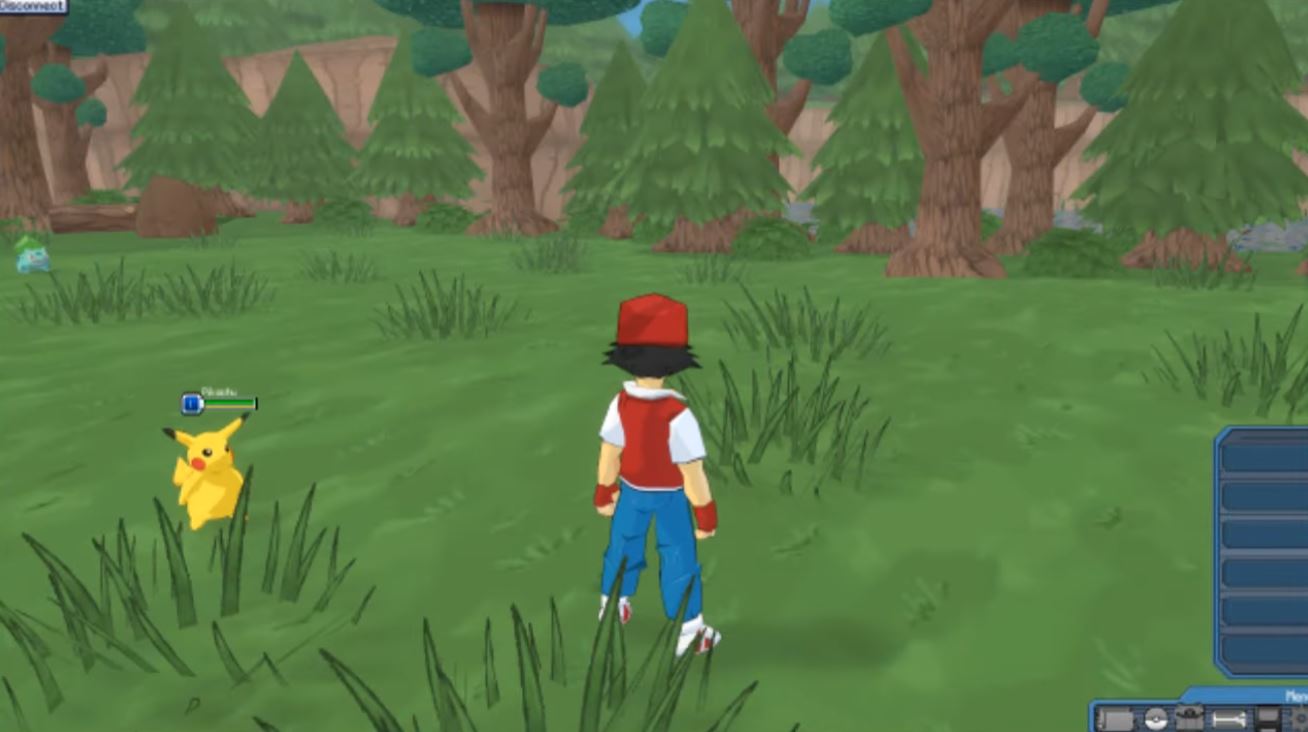
Another objection from Nintendo claimed that the Pokémon Generations video was “merely a video,” implying the examiner couldn’t extract the technical elements of the invention from it. The examiner seemed puzzled by this argument, suggesting it likely meant one of two things: either Nintendo acknowledged the video as genuine gameplay but didn’t believe footage alone could disclose technical features, or they doubted the video was actual gameplay, perhaps an animated video with added narration. The examiner quickly dismissed both possibilities, noting that in the second scenario, “the uploader’s behavior would be way too preposterous.”
Despite these points, the JPO’s notice did not address Nintendo’s objections, and the patent rejection stands. Nintendo now has three months to file a petition for a trial against the rejection decision with the Commissioner of the JPO. It’s important to note that this rejection does not affect the registered patent currently being used in the Palworld lawsuit at the Tokyo District Court. Instead, it pertains to the JPO’s refusal to grant Nintendo a patent for a separate divisional application within the same patent family.