

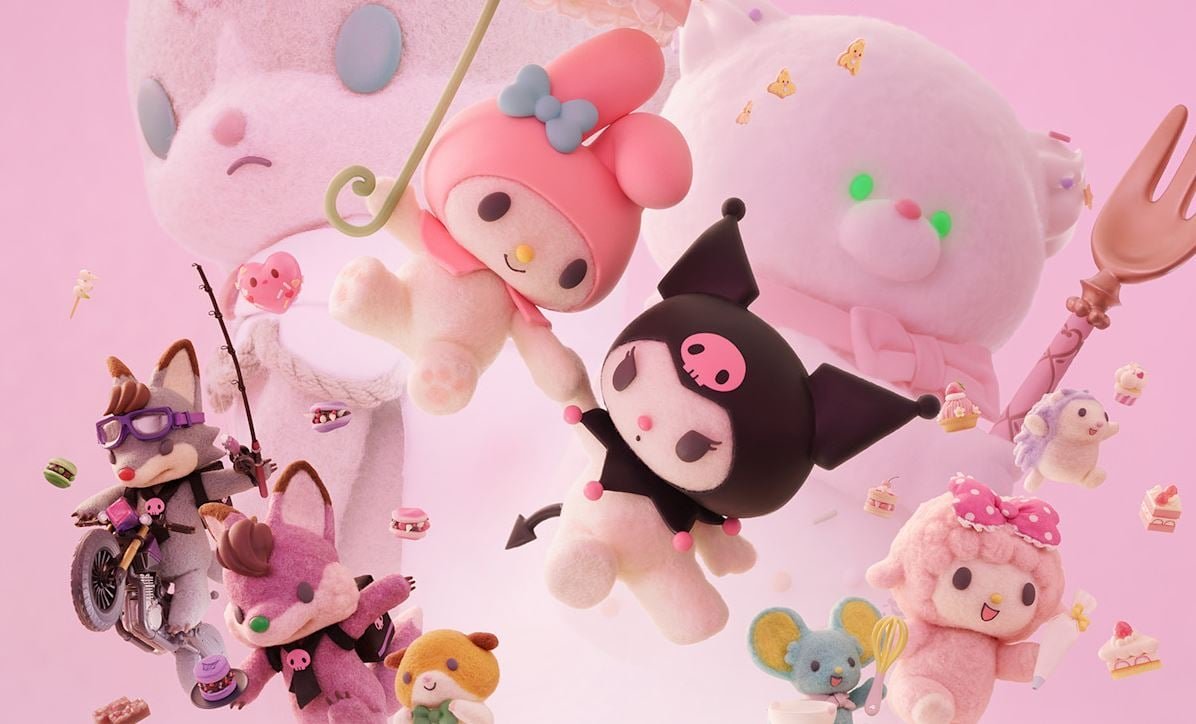
A recent court decision has concluded a copyright infringement case between Studio Comet, an anime production firm, and Sanrio, the renowned company behind beloved characters such as Hello Kitty. Studio Comet had initiated legal action against Sanrio concerning the character Kuromi, requesting a halt to its usage and a public statement recognizing Studio Comet as the character’s originator. The court ultimately sided with Sanrio, rejecting all of Studio Comet’s claims (source: Yahoo Japan).
Sanrio’s lineup of mascot characters enjoys global recognition for their endearing appeal, appearing on a wide array of products including bags, keychains, and even guitars, as well as featuring in numerous collaborations and media projects. Sanrio maintains a collection of over 400 mascot characters, and in addition to its own creations like Hello Kitty, it also holds the worldwide rights to Mr. Men and the distribution rights for Snoopy in Japan.
The legal battle first surfaced in February 2025, following reports that Studio Comet had filed a lawsuit against Sanrio over the ownership of Kuromi’s copyright. Known for her slightly “edgier” persona, Kuromi made her debut in 2005 as the punky goth counterpart to Sanrio’s sweet rabbit character, My Melody.
Studio Comet argued that its employees developed Kuromi while working on Onegai My Melody, an anime series featuring My Melody that the studio was commissioned to produce. The show aired from 2005 to 2008. Studio Comet contended that although Sanrio supplied the initial sketches for My Melody’s design, the studio’s animation team crafted the other characters in the show, including My Melody’s rival, Kuromi. The conflict arose because Kuromi was later marketed exclusively as a Sanrio creation, without acknowledgment of Studio Comet’s role in her creation.
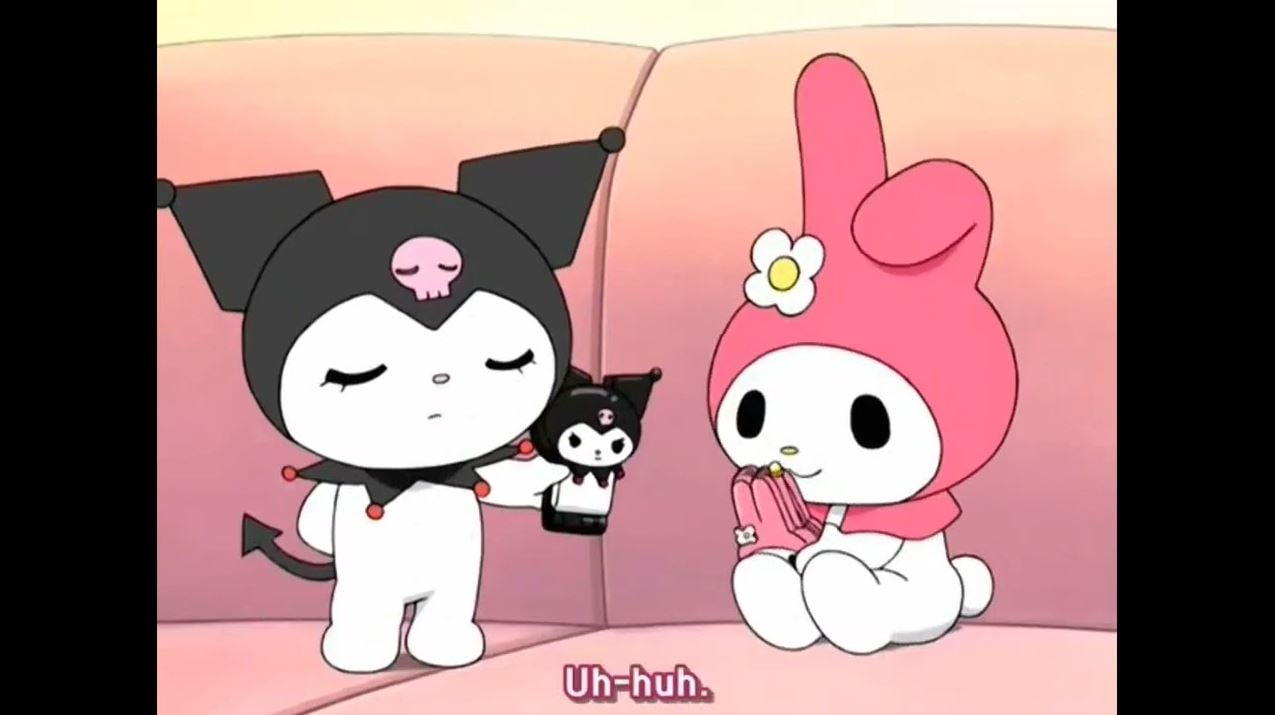
The court acknowledged Studio Comet as the author of Kuromi but rejected the studio’s claims after determining that the copyright had been transferred to Sanrio. The ruling distinguished between authorship and copyright ownership. Significantly, no written agreement explicitly stating the transfer of Kuromi’s copyright existed when the character was created in March 2005. Nevertheless, the court inferred that an implied agreement to transfer the copyright had been reached between the two parties, considering subsequent documentation and the fact that Sanrio had commercially exploited and sold Kuromi-themed products for 17 years without any objections from Studio Comet.
As a result of the court’s decision, Studio Comet is recognized as the creator of Kuromi, but the copyright remains with Sanrio, leaving the studio without the ability to exercise those rights.
Kiyoshi Kurihara, a Japanese patent attorney and IP consultant with no affiliation to the lawsuit, commented on the case, stating it was “hard to imagine Sanrio handling the rights to its characters so carelessly.” He found the absence of a direct written copyright transfer agreement at the time of Kuromi’s creation surprising. Kurihara noted that while Studio Comet succeeded in establishing that Kuromi was created by the studio rather than Sanrio, whether this distinction will resonate with the public remains uncertain.