



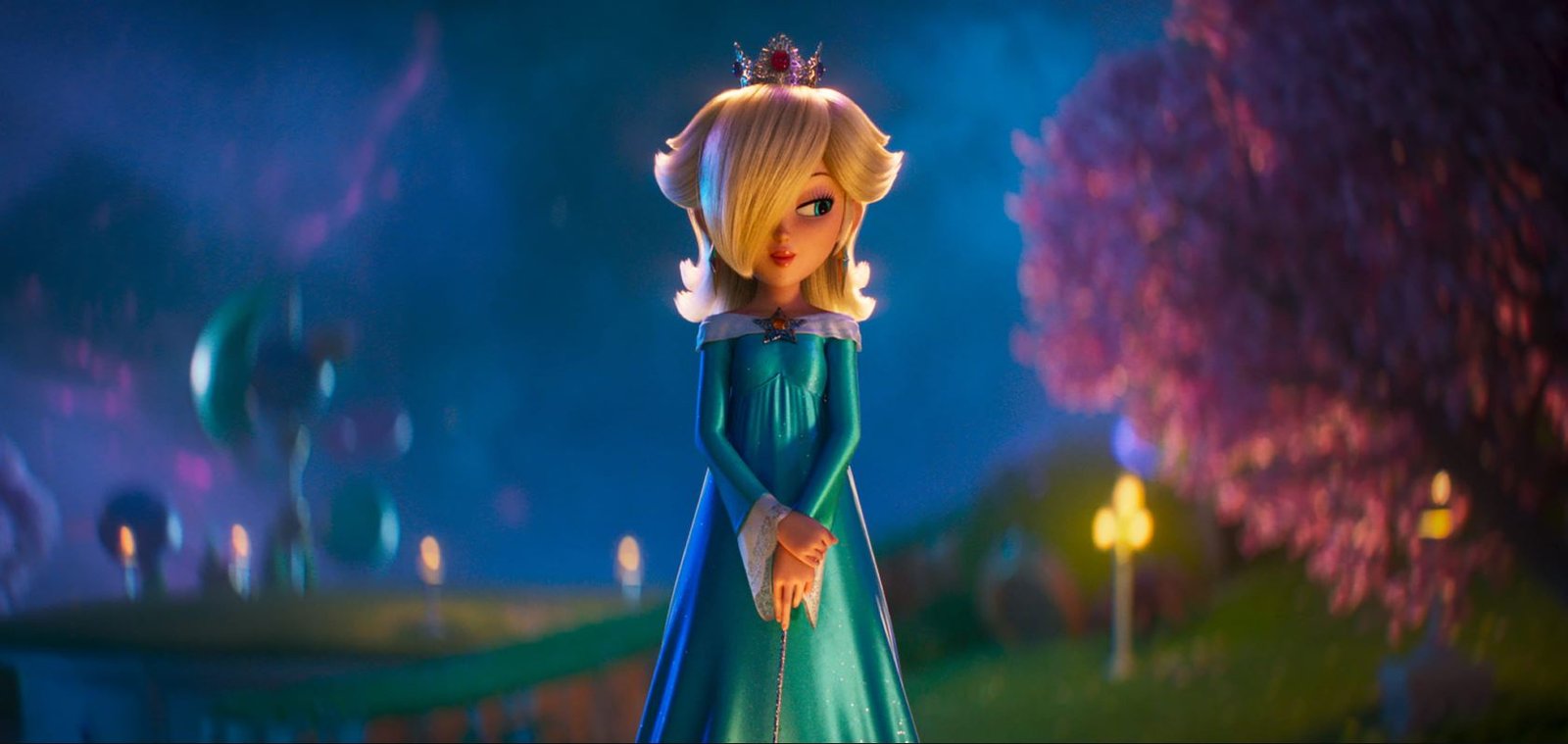
With a Rotten Tomatoes critic score of 42% and an audience score of 88%, The Super Mario Galaxy Movie exhibits a clear gap between film critics and the general audience. The film has also emerged as the highest-grossing title of 2026, solidifying it as a undeniable triumph for Nintendo. In an interview with The Sankei News, Kumamoto University Film Studies associate professor Hiroaki Ito suggests that, apart from differing evaluation standards, the variance in reception could stem from the film’s production approach, and is likely a conscious tactic by Nintendo.
According to Ito, both The Super Mario Bros. Movie and its follow-up seem to have been “meticulously crafted to preserve the Mario brand,” resulting in a plot that comes across as “safe” or inoffensive. While embracing bolder storytelling and character arcs might have resonated more with critics who prize artistic innovation, Nintendo fears it could have turned off fans by doing so, he contends.
Ito references the 1993 Super Mario Bros. live-action film as a case in point (despite being an extreme example), which was widely panned for deviating excessively from the source material.
During the creation of the film, Nintendo notably granted the production team nearly unrestricted artistic freedom, but Ito believes the company has since “learned from this misstep,” now prioritizing audience approval above all considerations.
Instead of pursuing something artistic and potentially jeopardizing the Mario franchise, Nintendo appears to have zeroed in on satisfying fans. From the vibrant and playful atmosphere to the numerous inside jokes and cameo appearances, the two animated films are charming enough to attract children and newcomers while staying faithful to the games so that adult gamers feel acknowledged.
“Rather than chasing film award recognition, Nintendo’s main goal seems to be boosting brand equity as part of an intellectual property (IP) strategy and reinvigorating interest in its core gaming and merchandise business,” Ito explains.